The Best Garden Axe & Hatchet: What Actually Works

An axe or hatchet in the home garden isn’t about lumberjack work—it’s about control, efficiency, and safety. You’re splitting kindling, cutting stakes, clearing small branches, or managing woody growth. The wrong tool is either too heavy (fatiguing) or too light (ineffective).
What actually works comes down to three things: head weight (power vs control), handle length (leverage vs precision), and steel quality (edge retention). Get those right, and cutting becomes faster, cleaner, and far safer.
Best Garden Axe & Hatchet
Best Overall:
This is the sweet spot for most gardeners—light enough for control, powerful enough for real work.
Know What to Plant This Week
Every week I answer the gardener's most important question: what should I plant now? Get seasonal planting advice free — or go Pro for my full Soil Temperature Garden Report, with soil temperature, moisture, weather trends, and crop-by-crop recommendations.
Best for: General garden use, kindling, small branches
Why it wins: Balance of power, price, and durability
Pros:
- Excellent weight distribution
- Durable composite handle
- Efficient splitting for size
Cons:
- Not ideal for large logs
Best Premium Hatchet:
Premium wood-handle hatchet combining traditional craftsmanship with modern durability and performance.
A refined upgrade with traditional feel and modern engineering.
Best for: Gardeners who want performance + craftsmanship
Pros:
- Hickory handle with steel reinforcement
- Excellent edge retention
- Balanced, precise cuts
Cons:
- Higher price
Best Budget Option:
Affordable, durable hatchet with solid cutting performance for basic garden tasks.
Simple, reliable, and effective for everyday use.
Best for: Beginners, light-duty work
Pros:
- Low cost
- Durable steel head
- Easy to handle
Cons:
- Less refined balance
Best Heavy-Duty Garden Hatchet:
Fiskars Billhook 18″ Clearing Hatchet
Hybrid blade designed for cutting thick vegetation, roots, and woody growth efficiently.
More than a hatchet—this is a clearing tool.
Best for: Brush clearing, roots, thick stems
Pros:
- Aggressive cutting edge
- Designed for vegetation
- High durability
Cons:
- Less precise for fine work
Best Traditional Wood-Handle Hatchet:
One-piece forged steel hatchet with classic leather grip built for durability and long-term use.
A classic design that lasts decades.
Best for: Gardeners who want a lifetime tool
Pros:
- One-piece forged steel
- Extremely durable
- Comfortable grip
Cons:
- Slightly heavier feel
Types of Axes & Hatchets (And When to Use Them)
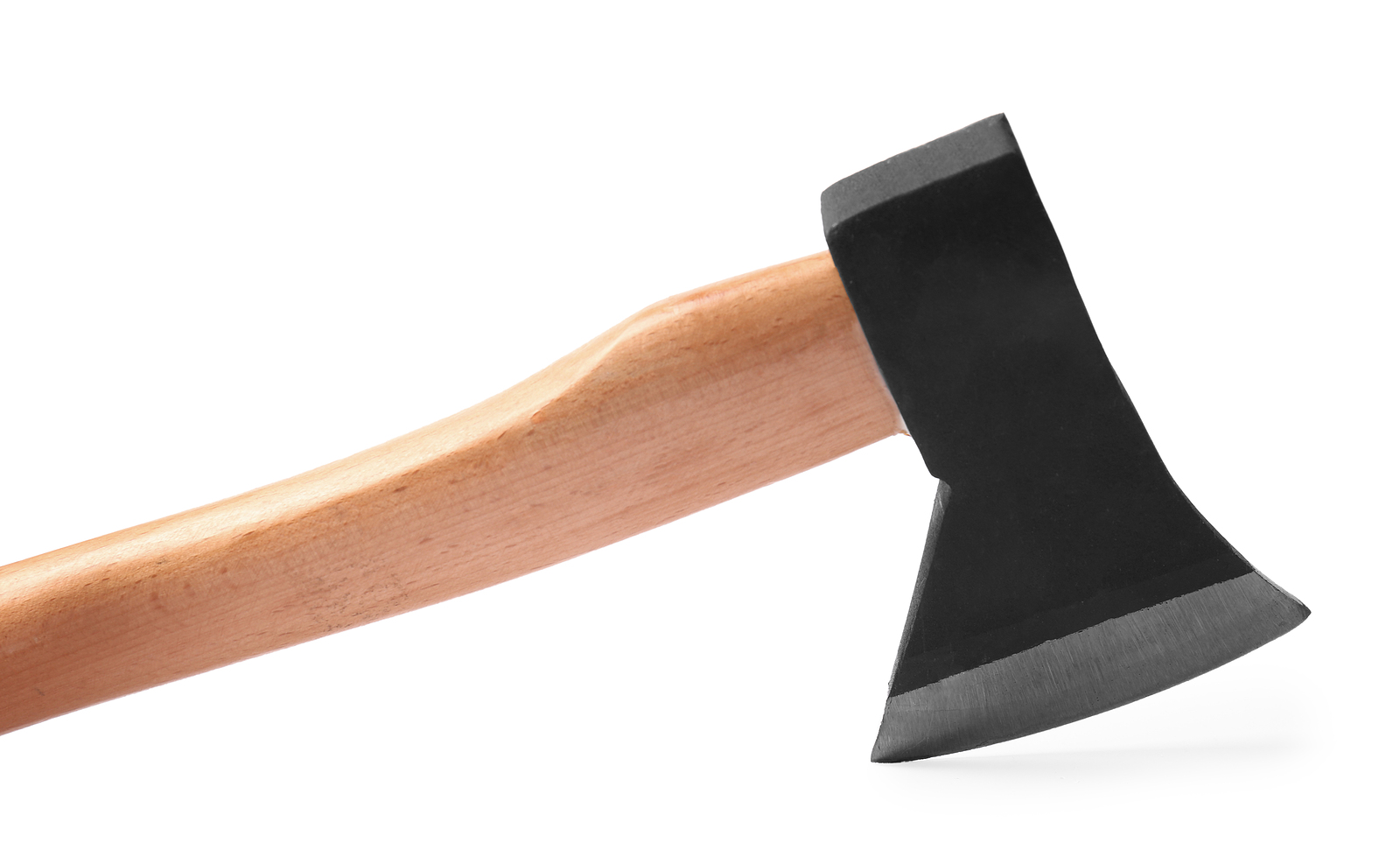
1. Hatchets (One-Handed)
- Best for: Garden work, kindling, pruning
- Why they work: Control and precision
2. Small Axes (18–24 inch handle)
- Best for: Larger wood, heavier cutting
- Why they work: More leverage and power
3. Clearing Hatchets / Billhooks
- Best for: Brush, roots, dense growth
- Why they work: Designed for slicing vegetation
4. Splitting Axes
- Best for: Firewood
- Why they work: Wedge-shaped head splits wood efficiently
How Axes and Hatchets Are Actually Used in the Garden
In a working home garden, these tools are used more often than most people expect:
1. Splitting Kindling
Break down small wood for fires, compost, or stakes.
2. Cutting Garden Stakes
Shape supports for tomatoes, beans, and trellising.
3. Clearing Brush and Roots
Remove woody weeds, roots, and overgrowth.
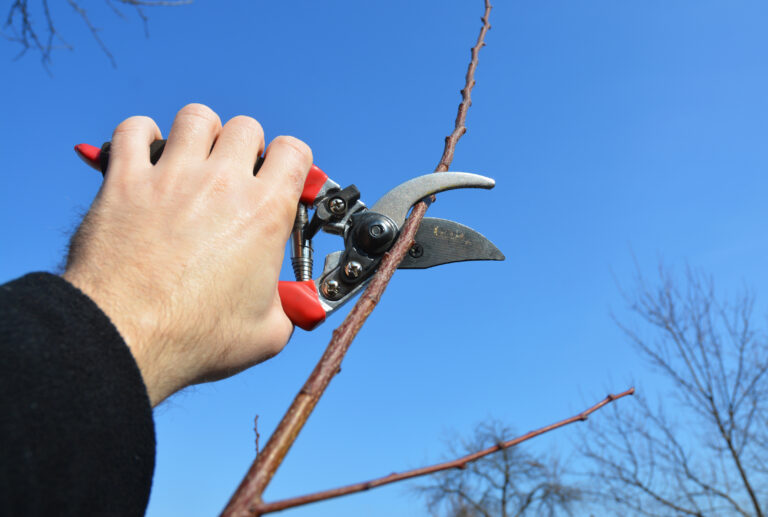
4. Pruning Thick Branches
Handle cuts too large for pruners or loppers.
How to Use an Axe or Hatchet Correctly
1. Let the weight do the work
Don’t force the swing—use controlled motion.
2. Use a stable surface
Always cut on a solid base like a stump.
3. Keep tools sharp
A sharp blade is safer and more effective.
4. Match tool to task
- Hatchet: precision
- Axe: power
5. Work with the grain
Especially when splitting wood.
What Actually Matters When Choosing
- Weight: Lighter = control, heavier = power
- Handle length: Short = precision, long = leverage
- Blade shape: Splitting vs slicing
- Durability: Forged steel lasts longer
Most experienced gardeners use a 14-inch hatchet for daily work and only step up to a larger axe when needed.
Why This Advice Works
This guidance comes from decades of hands-on gardening, including maintaining raised beds, cutting stakes, clearing seasonal growth, and managing woody debris. In real gardens, you don’t need oversized tools—you need well-balanced, reliable cutting tools that match everyday tasks.
The tools recommended here are selected for real-world usability, durability, and efficiency across an entire growing season.