The Best Garden Weeders for Your Garden

Weeding is one of those jobs that separates thriving gardens from struggling ones—and the difference usually isn’t effort, it’s the tool in your hand. The best garden weeders don’t just cut weeds off at the surface; they remove the root, disturb as little soil as possible, and let you move quickly through beds without fatigue. Choose the right weeder, and you spend minutes maintaining your garden instead of hours fighting it.
Below are the best garden weeders for performance, durability, and real-world use—followed by exactly how to use them effectively.
Best Overall:
CobraHead Original Weeder & Cultivator
A go-to tool for serious vegetable gardeners. The curved blade slips under weeds and lifts them out with roots intact.
Know What to Plant This Week
Every week I answer the gardener's most important question: what should I plant now? Get seasonal planting advice free — or go Pro for my full Soil Temperature Garden Report, with soil temperature, moisture, weather trends, and crop-by-crop recommendations.
Best for: Raised beds, tight spacing, everyday weeding
Pros:
- Excellent control and leverage
- Works in dense plantings
- Doubles as a cultivator
Cons:
- Less effective on very deep taproots in hard soil
Best for Deep Roots:
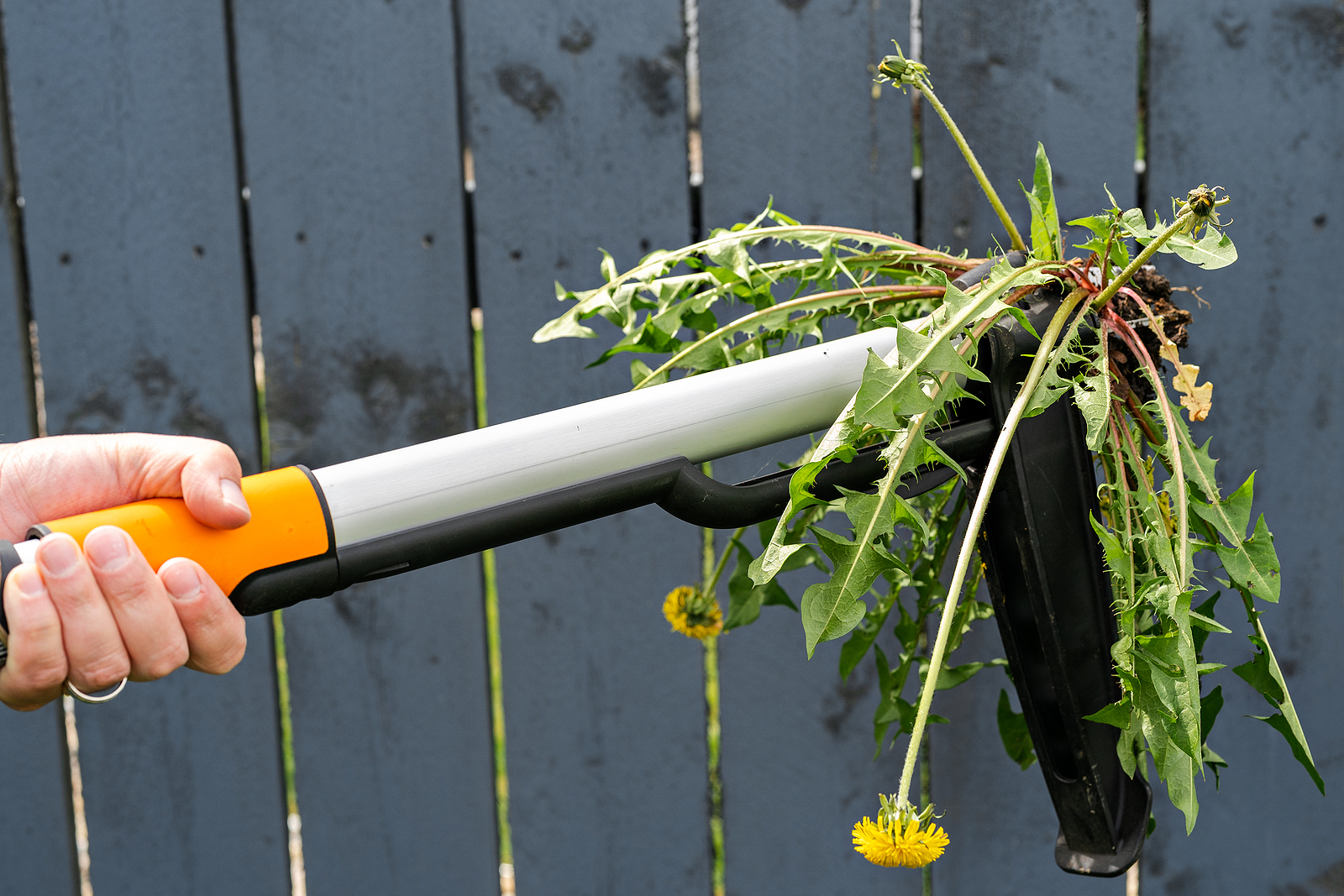
Fiskars Xact Stainless Steel Weeder
Designed to go straight down and extract long taproots cleanly.
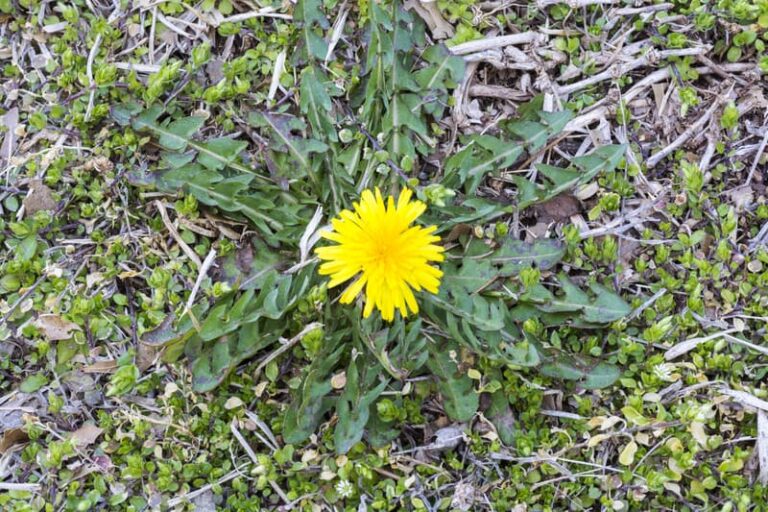
Best for: Dandelions, thistle, dock
Pros:
- Deep penetration
- Minimal root breakage
- Comfortable grip
Cons:
- Limited versatility
Best Multi-Purpose Tool:
Fiskars Hori Hori Garden Knife
A true all-in-one tool that digs, cuts, weeds, and plants.
Best for: Gardeners who want one tool for everything
Pros:
- Cuts through roots easily
- Useful for planting and dividing
- Durable and versatile
Cons:
- Takes practice to use efficiently
Best Stand-Up Weeder:
Fiskars 4-Claw Stand-Up Weed Puller
No bending, no kneeling—just step, twist, and pull.
Best for: Lawns and large areas
Pros:
- Saves your back
- Fast for big spaces
- Removes entire root
Cons:
- Not precise for garden beds
Best Budget Option:
Ames Ergo Gel Grip Hand Weeder
Simple, effective, and affordable.
Best for: Light maintenance and beginners
Pros:
- Comfortable handle
- Easy to use
- Low cost
Cons:
- Not heavy-duty
How to Use Garden Weeders (The Right Way)
Most gardeners lose time because they use the right tool the wrong way. Here’s how to get clean, permanent results:
1. Weed When Soil Is Moist
Water lightly or weed after rain. Moist soil allows tools to slide in easily and pull roots intact instead of snapping them.
2. Match the Tool to the Weed
- Shallow weeds: Slice just below the surface with a CobraHead-style tool
- Taproots: Drive a long weeder straight down, then lever upward
- Dense patches: Use a hori hori to loosen and lift multiple weeds at once
3. Use Leverage, Not Force
Insert the blade, then rock or twist—don’t yank. Good weeders are designed to use soil as a pivot point.
4. Disturb as Little Soil as Possible
Every time you turn soil, you expose new weed seeds. The best technique is surgical removal, not digging.
5. Weed Small and Often
Five minutes every couple of days beats a two-hour cleanup. Remove weeds before they flower and seed.
6. Follow Up with Light Cultivation
After pulling weeds, lightly skim the surface to break tiny new seedlings before they establish.
How Experienced Gardeners Use These Tools
In intensive vegetable gardens—especially narrow bed systems—the workflow is simple:
- Use a precision tool (CobraHead or hori hori) for daily passes
- Use a deep weeder for problem weeds
- Use a stand-up puller for paths and lawns
This combination keeps weeds under control without disrupting crops.
Why This Advice Works
This guidance comes from decades of hands-on vegetable gardening in raised beds and close-spacing systems. In real gardens, success isn’t about owning dozens of tools—it’s about using a few high-performing weeders correctly and consistently. The tools listed here are proven to remove roots efficiently, reduce regrowth, and save time over the long season.