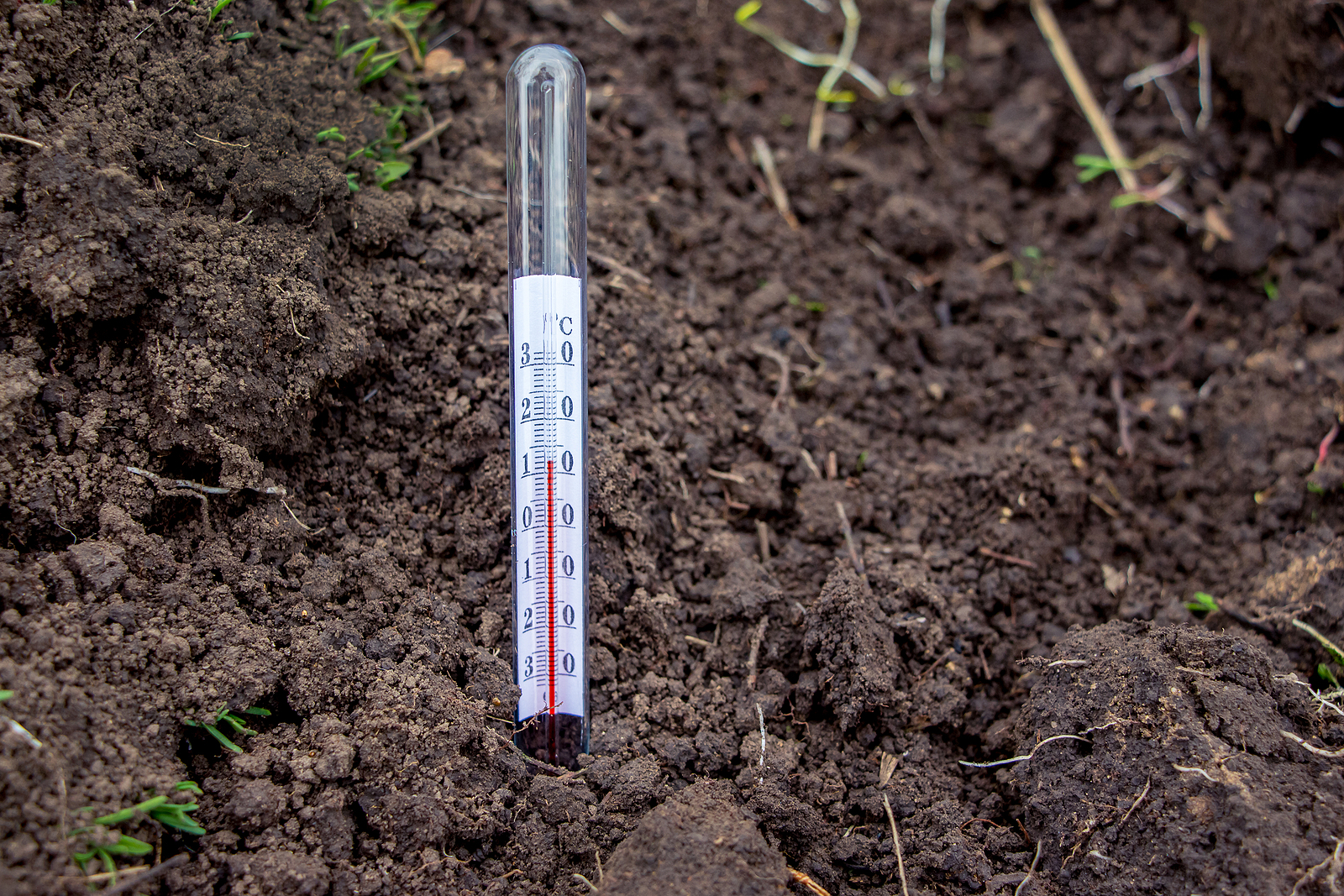
Best Garden Thermometers (No-Nonsense Guide)

A garden thermometer is one of the most underused—and most profitable—tools in a vegetable garden. If you’re serious about improving germination rates, reducing crop failure, and increasing harvest consistency, you need to measure what actually drives plant growth: soil temperature.
Most gardeners plant by the calendar. Experienced growers plant by the soil.
After more than 30 years of vegetable gardening—especially in raised beds and intensive systems—I’ve found that soil temperature is the single most reliable signal for when to sow seeds, transplant crops, and expect growth to accelerate. You can have perfect timing on paper, but if the soil is too cold, seeds sit. Too warm, and cool-season crops bolt before establishing.
That’s where a good garden thermometer earns its keep.
Know What to Plant This Week
Every week I answer the gardener's most important question: what should I plant now? Get seasonal planting advice free — or go Pro for my full Soil Temperature Garden Report, with soil temperature, moisture, weather trends, and crop-by-crop recommendations.
Below are the best types and models, based on accuracy, durability, and real-world use in a working vegetable garden.
Best Garden Thermometers (Names You Can Trust)
Best Overall Soil Thermometers (for planting)
- AcuRite Stainless Steel Soil Thermometer
- Taylor Soil Testing Thermometer
- VeeGee Stainless Steel Soil Thermometer
Why these work:
These are simple analog thermometers with metal probes and dial faces. They are reliable, accurate at seed depth (2–4 inches), and require no batteries.
Best use:
- Checking soil before planting seeds
- Monitoring warming trends in spring
- Deciding when to transplant
If you’re only going to own one tool, this is the category that matters most.
Best Compost Thermometers (long probe)
- General Tools 36-Inch Compost Thermometer
- Garden Weasel 36-Inch Soil & Compost Thermometer
- Greenco 20-Inch Compost Thermometer
Why these matter:
Compost heats from the inside out. A long probe lets you measure the core temperature, which tells you whether your pile is actively breaking down.
Best use:
- Monitoring compost activity
- Timing when to turn the pile
- Reaching temperatures high enough to kill weed seeds
Best Digital and Multi-Use Options
Why you might want these:
Digital tools give quick readings, and multi-meters help diagnose issues like overwatering or poor soil balance.
Best use:
- Quick checks across multiple beds
- Container gardening
- Troubleshooting plant stress
Tradeoff:
They’re convenient, but not always as precise as a dedicated analog soil thermometer.
Types of Garden Thermometers (What You Actually Need)
1. Soil Thermometers (Essential)
These measure temperature where seeds germinate.
Use them for:
- Timing planting
- Avoiding cold soil failures
- Tracking seasonal soil warming
2. Compost Thermometers (Advanced)
Long probes for measuring internal compost heat.
Use them for:
- Managing decomposition
- Improving soil-building systems
3. Digital Thermometers
Fast and easy to read.
Use them for:
- Quick spot checks
- Greenhouse or container use
4. Multi-Function Soil Meters
Measure more than temperature.
Use them for:
- Moisture monitoring
- pH insight
- Diagnosing weak growth
How to Use a Garden Thermometer (Like an Experienced Grower)
- Insert probe 2–4 inches deep (seed zone)
- Take readings in the morning
- Check the same location consistently
- Watch trends over several days, not just one reading
Soil Temperature Guidelines That Actually Matter
- 40–50°F → Lettuce, spinach, peas
- 50–60°F → Carrots, beets, onions
- 60–70°F → Beans, corn
- 70°F+ → Tomatoes, peppers, melons
Planting outside these ranges is the most common cause of poor germination.
Practical Insight
In my own garden, I don’t transplant warm-season crops until the soil consistently reads above 60°F in the morning. That single habit has eliminated most early-season setbacks.
Likewise, when seeds fail, it’s rarely the seed—it’s almost always the soil temperature.
A thermometer makes that visible.
Final Take
If you want to garden with consistency and confidence:
- Start with an AcuRite Stainless Steel Soil Thermometer
- Add a General Tools 36-Inch Compost Thermometer if you build compost
- Use digital or multi-meters as secondary tools
The real shift is simple:
Stop planting by the calendar. Start planting by the soil temperature.
That’s how experienced gardeners get reliable results, season after season.