The Best Hand Cultivators: What Actually Works

A hand cultivator is one of the most important “small tools” in a productive garden. It’s what you reach for when you need to break soil crust, remove young weeds, mix amendments, or aerate tight planting spaces without disturbing nearby plants.
What actually works comes down to three things: tine strength (stamped vs forged steel), tine shape (curved vs straight), and handle ergonomics (comfort under repetitive use). Get those right, and this simple tool becomes one of the most productive in your entire garden system.
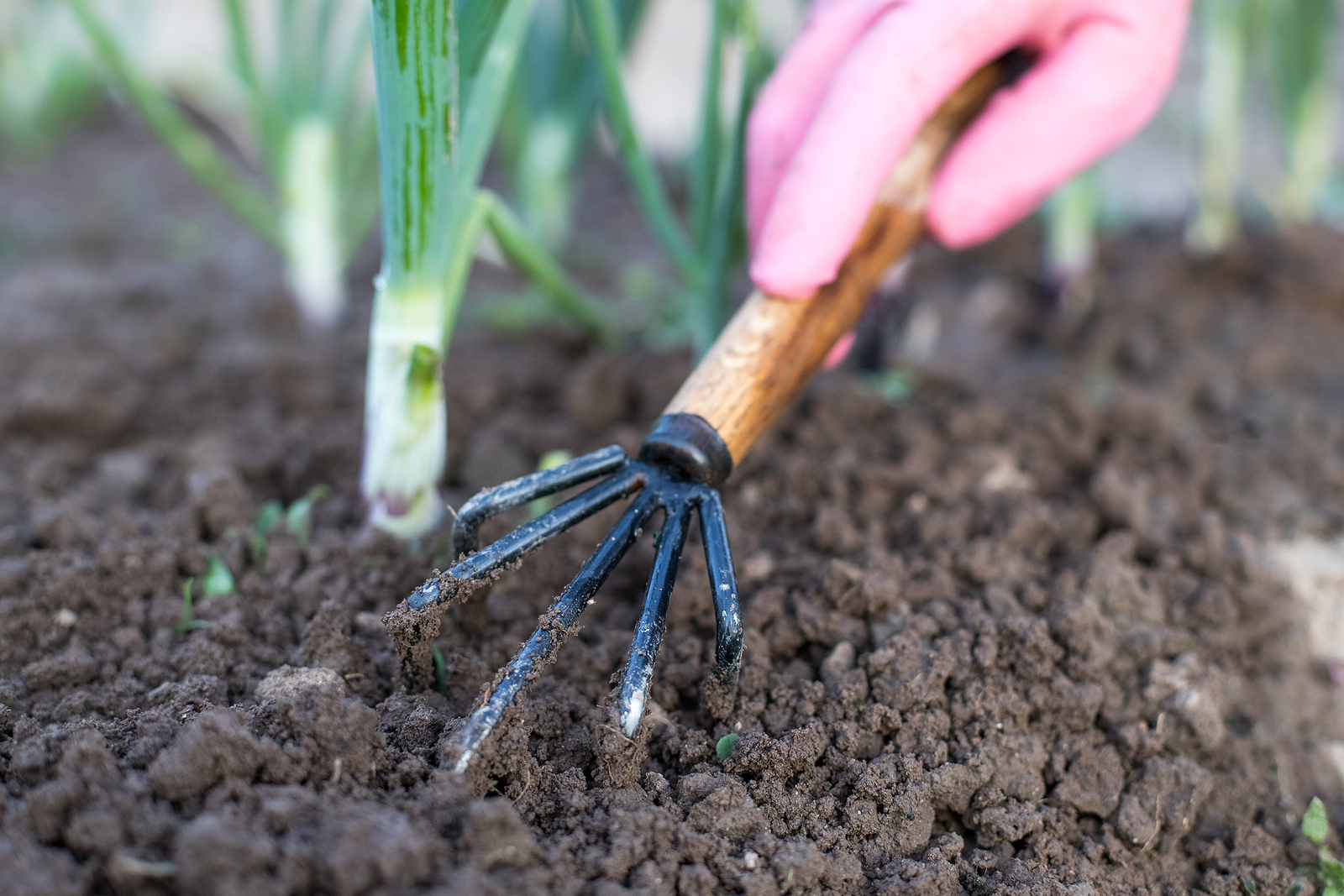
Hand cultivators are typically 3–5 prong tools designed for loosening soil, removing weeds, and improving aeration in small garden beds and containers.
Best Hand Cultivators
Best Overall:
Know What to Plant This Week
Every week I answer the gardener's most important question: what should I plant now? Get seasonal planting advice free — or go Pro for my full Soil Temperature Garden Report, with soil temperature, moisture, weather trends, and crop-by-crop recommendations.
This is the tool most gardeners end up using daily because it simply works in almost every situation.
Best for: Raised beds, vegetable gardens, general maintenance
Why it wins: Balance of strength, comfort, and control
Pros:
- Strong cast-aluminum head
- Comfortable ergonomic grip
- Excellent for both weeding and soil prep
Cons:
- Limited reach in very tight root zones
Best Heavy-Duty Option:
DeWit Forged 3-Tine Cultivator
Hand-forged steel cultivator built for tough soil conditions and long-term durability in demanding gardens.
If your soil is heavy, compacted, or clay-based, forged steel matters.
Best for: Hard soil, established beds, long-term use
Pros:
- Hand-forged steel strength
- Excellent durability
- Cuts into compacted soil easily
Cons:
- Higher price
- Slightly heavier feel
Best Multi-Use Design:
Curved steel blade cultivator that excels at precision weeding and loosening soil in tight spaces.
This tool blends cultivating and precision weeding into one motion.
Best for: Tight beds, precision work, mixed tasks
Pros:
- Excellent for root-level weeding
- Works in dense plant spacing
- Very versatile motion-based design
Cons:
- Learning curve for new users
Best 3-Prong Option:
Wider tine spacing allows faster soil coverage for larger garden beds and pre-plant preparation.
When speed matters more than precision, extra tines make a difference.
Best for: Larger beds, quick soil prep
Pros:
- Covers more soil per pass
- Good for mixing amendments
- Durable construction
Cons:
- Less precise between tight plantings
Best Budget Option:
Owlett 3-Tine Hand Cultivator Tool
Affordable basic cultivator for light gardening tasks and occasional soil work.
A simple tool that gets you started without overspending.
Best for: Beginners, light garden maintenance
Pros:
- Low cost
- Simple and functional
- Lightweight
Cons:
- Less durable over time
- Handles vary in comfort
Types of Hand Cultivators (And When to Use Them)
1. Three-Tine Cultivators
The most common design, ideal for breaking soil and removing weeds in tight garden spaces.
2. Five-Tine Cultivators
Cover more ground per pass, making them better for larger beds but less precise in tight spacing.
3. Blade-Style Cultivators
Use a slicing motion to cut weeds at the soil surface instead of pulling them.
4. Specialty Designs (Rotary / Twist Cultivators)
Designed for mixing amendments into soil with less effort, especially in compacted ground.
How Hand Cultivators Are Actually Used
In a productive garden, this tool is used constantly—not occasionally:
1. Breaking Soil Crust
After watering or rain, the surface can seal; cultivators reopen it for air and water flow.
2. Early Weed Control
The most effective use: removing weeds when they are still small and shallow-rooted.
3. Mixing Compost or Fertilizer
Light incorporation of organic matter into topsoil.
4. Pre-Plant Bed Prep
Loosening soil before seeding or transplanting.
How to Use a Hand Cultivator Correctly
1. Work the top layer only (2–4 inches)
Going deeper disrupts soil structure and brings new weed seeds up.
2. Use short, controlled strokes
Pulling toward you gives better control than aggressive digging.
3. Work when soil is slightly moist
Dry soil resists penetration; wet soil clumps.
4. Focus on consistency, not depth
Frequent light cultivation is more effective than occasional heavy work.
5. Clean after use
Prevents rust and keeps tines sharp and effective.
What Actually Matters When Choosing
- Tine strength: forged steel lasts far longer
- Handle comfort: reduces fatigue in repetitive use
- Tool balance: reduces wrist strain
- Tine spacing: determines precision vs speed
Most experienced gardeners rely on a 3-tine cultivator for daily use and add specialty tools only when needed.
Why This Advice Works
This guidance is based on decades of hands-on vegetable gardening in raised beds, narrow-bed systems, and intensive planting layouts. In real gardens, the hand cultivator is not a backup tool—it’s a daily maintenance tool that prevents weeds from ever becoming a problem.
The tools recommended here are selected for real-world durability, efficiency in soil management, and consistent performance across an entire growing season.