The Best Garden Rakes: What Actually Works

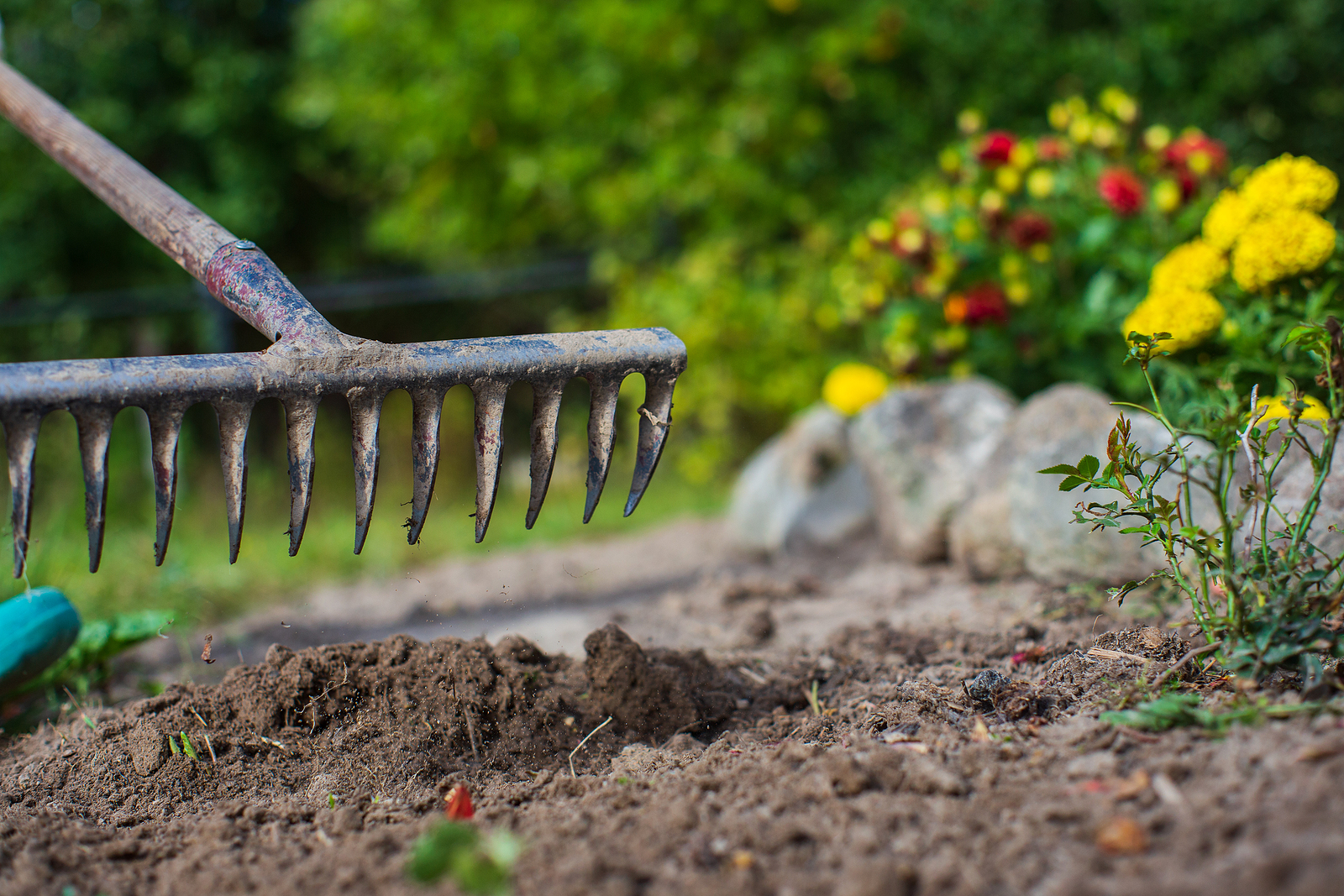
A garden rake is one of the most underrated tools in a productive home garden. It’s not just for “cleaning up leaves”—a good rake is used for leveling soil, breaking clumps, spreading compost, clearing debris, and preparing seedbeds. In practice, it’s a soil-shaping tool as much as it is a cleanup tool.
What actually works comes down to three things: tine strength (steel vs aluminum vs plastic), rake type (bow rake vs leaf rake), and head width (precision vs coverage). Get those right, and your rake becomes a year-round soil tool instead of just a fall cleanup implement.
Best Garden Rakes
Best Overall: Fiskars
This is the standard for serious gardeners who work soil regularly.
Know What to Plant This Week
Every week I answer the gardener's most important question: what should I plant now? Get seasonal planting advice free — or go Pro for my full Soil Temperature Garden Report, with soil temperature, moisture, weather trends, and crop-by-crop recommendations.
Best for: Bed preparation, soil leveling, compost spreading
Why it wins: Strength + balance + versatility
Pros:
- Strong steel tines handle tough soil
- Excellent for leveling and grading
- Durable for long-term use
Cons:
- Not ideal for light leaf cleanup
Best for Large Areas:
Wide aluminum bow rake built for moving and leveling large amounts of soil, gravel, and mulch.
When you need to move material efficiently, width and strength matter.
Best for: Large beds, gravel, mulch, heavy soil work
Pros:
- Wide head covers more ground
- Lightweight aluminum frame
- Strong, rigid tines
Cons:
- Less precise in tight spaces
Best Leaf Cleanup Rake:
Durable poly leaf rake designed for gathering leaves and light garden debris without damaging turf.
This is the classic “fan rake” designed for cleanup, not soil work.
Best for: Leaves, grass clippings, light debris
Pros:
- Gentle on turf
- Wide fan head for fast cleanup
- Flexible tines reduce lawn damage
Cons:
- Not suitable for soil or gravel
Best Adjustable Option:
Jardineer Adjustable Garden Rake
Adjustable-width rake that adapts from tight spaces to wide coverage for flexible garden use.
One rake that adapts to multiple jobs.
Best for: Mixed tasks, small gardens, flexibility
Pros:
- Adjustable width
- Lightweight and easy to store
- Good for tight or wide areas
Cons:
- Less rigid than fixed steel rakes
Best Lightweight Precision Rake:
Lightweight steel rake designed for precision soil work and tight garden spaces.
A good choice when control matters more than power.
Best for: Raised beds, tight planting areas
Pros:
- Easy to maneuver
- Good control in small spaces
- Lightweight design
Cons:
- Not ideal for heavy soil movement
Garden Rakes (And When to Use Them)
1. Bow Rake (Hard Rake)
Used for soil, gravel, compost, and leveling. Built with stiff steel tines for heavy work.
2. Leaf Rake (Lawn Rake)
Lightweight fan-shaped rake designed for leaves and grass clippings without damaging turf.
3. Landscape Rake
Wider, lighter rake used for smoothing large areas of soil or mulch efficiently.
4. Shrub Rake
Narrow rake designed for tight spaces under hedges and between plants.
How Garden Rakes Are Actually Used
In a working vegetable garden, rakes are used constantly:
1. Bed Preparation
Leveling soil before planting for even seed depth.
2. Breaking Soil Clumps
Creating a fine planting surface after digging or compost addition.
3. Spreading Compost or Mulch
Even distribution across beds for consistent soil improvement.
4. Leaf and Debris Removal
Clearing pathways and preparing beds between plantings.
How to Use a Garden Rake Correctly
1. Match rake to material
Leaf rakes for debris, bow rakes for soil and compost.
2. Use controlled strokes
Short pulls give better leveling control than long sweeps.
3. Work in both directions when leveling soil
This removes high and low spots effectively.
4. Avoid forcing the tool into hard ground
Let weight and tine design do the work.
5. Clean after use
Prevents rust and keeps tines straight and effective.
What Actually Matters When Choosing
- Tine rigidity (steel for soil work, flexible for leaves)
- Head width (wide for speed, narrow for precision)
- Tool weight (lighter reduces fatigue, heavier adds force)
- Handle strength (critical under soil load)
Most experienced gardeners use two rakes: a bow rake for soil work and a leaf rake for cleanup.
Why This Advice Works
This guidance comes from decades of hands-on vegetable gardening in raised beds, narrow-row systems, and intensive soil management. In real garden use, the rake is not a cleanup tool—it is a soil-shaping instrument that determines planting success, drainage, and bed quality.
The rakes recommended here are selected for durability under real soil pressure, efficiency in bed preparation, and reliable performance across an entire growing season.