The Best Bird Seed: What Actually Works in Backyard Feeding

Bird seed is not all the same—and most “mixed bird seed” bags are the reason many feeders sit ignored. In real backyard gardening, the goal is simple: attract a wide variety of birds while minimizing waste, mess, and unwanted visitors like squirrels and starlings.
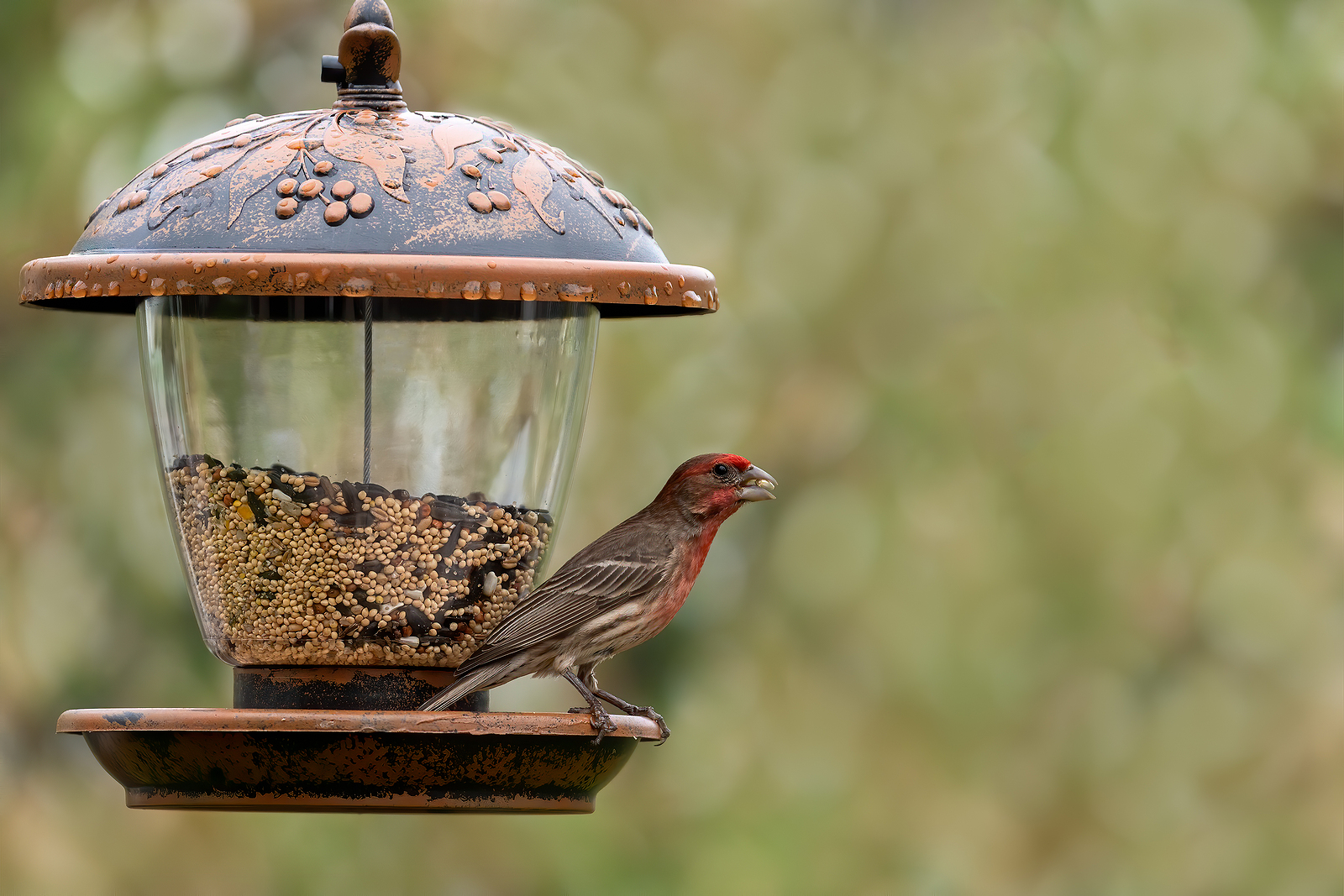
What actually works comes down to three things: seed quality (not filler-heavy mixes), seed type (sunflower, nyjer, millet, safflower), and feeder matching (different birds eat in different ways). When those three align, bird activity increases dramatically.
The most important fact: black oil sunflower seed consistently attracts the widest variety of backyard birds across regions because of its high energy content and easy-to-crack shell.
Best Bird Seed Options
Best Overall:
Wagner’s Black Oil Sunflower Seed
Know What to Plant This Week
Every week I answer the gardener's most important question: what should I plant now? Get seasonal planting advice free — or go Pro for my full Soil Temperature Garden Report, with soil temperature, moisture, weather trends, and crop-by-crop recommendations.
This is the single most reliable bird seed for attracting consistent backyard activity.
Best for: Cardinals, chickadees, finches, titmice, woodpeckers
Why it wins: High energy + easy shell + universal appeal
Pros:
- Attracts the widest variety of birds
- High-fat content supports year-round feeding
- Works in most feeder types
Cons:
- Also attracts squirrels without a baffle or squirrel-proof feeder
Best Finch Seed:
Small, oil-rich seed designed specifically for finches, siskins, and small clinging birds.
When goldfinches show up, this is what keeps them returning.
Best for: Goldfinches, siskins, redpolls
Pros:
- Highly attractive to finch species
- Works well in mesh tube feeders
- High oil content for energy
Cons:
- Requires specialized feeder
- Can spill easily if not protected
Best No-Mess Option:
Shelled Sunflower Hearts (No Waste Bird Seed)
Hulled sunflower seeds that eliminate shells and reduce mess under feeders.
This is the cleaner, patio-friendly version of sunflower seed.
Best for: Clean feeding areas, decks, patios
Pros:
- No shells = no mess on the ground
- Easy for small birds to eat
- High acceptance rate
Cons:
- More expensive than whole seed
- Spoils faster in wet weather
Best Ground Feeding Seed:
Small ground-feeding seed ideal for sparrows, doves, juncos, and other ground birds.
Millet works best when scattered or used in tray feeders.
Best for: Sparrows, doves, juncos, towhees
Pros:
- Excellent for ground feeders
- Affordable bulk seed
- Easy to broadcast on soil
Cons:
- Many birds ignore it in hanging feeders
- Can encourage rodents if overused
Best Pest-Resistant Seed:
High-protein seed that many squirrels dislike but cardinals and chickadees will still eat.
A smart choice when squirrels dominate feeders.
Best for: Cardinals, chickadees, squirrel resistance
Pros:
- Less attractive to squirrels
- Works in most standard feeders
- Good protein content
Cons:
- Fewer bird species eat it compared to sunflower
- Slower adoption in new feeders
Types of Bird Seed (And When to Use Them)
1. Black Oil Sunflower Seed
The foundation of backyard bird feeding. High oil content makes it the most universally attractive seed.
2. Nyjer Seed (Thistle)
Specialized seed for finches and small clinging birds.
3. White Proso Millet
Best for ground-feeding birds like sparrows and doves.
4. Safflower Seed
A useful alternative when squirrels or nuisance birds dominate feeders.
5. Mixed Bird Seed Blends (Use Carefully)
Most commercial mixes include filler seeds like milo or red millet, which many birds discard, creating waste.
How Bird Seed Is Actually Used
In real backyard feeding systems, seed is not random—it is targeted:
1. Attracting Specific Birds
Sunflower for general species, nyjer for finches, millet for ground feeders.
2. Managing Squirrels
Safflower or sunflower hearts reduce waste and theft.
3. Seasonal Feeding
High-fat seeds in winter, lighter mixes in summer.
4. Multi-Feeder Strategy
Different seeds in different feeders bring more diversity.
How to Use Bird Seed Correctly
1. Avoid cheap filler-heavy mixes
Birds will sort and waste them.
2. Match seed to feeder type
Nyjer needs mesh feeders; millet works best on ground trays.
3. Keep seed fresh and dry
Moist seed can mold and harm birds.
4. Start with sunflower seed first
It attracts birds quickly, then expand variety.
5. Clean feeders regularly
Prevents disease spread and improves visitation.
What Actually Matters When Choosing Bird Seed
- Seed quality over marketing blends
- Sunflower seed as the foundation
- Feeder compatibility
- Waste reduction (avoid filler-heavy mixes)
- Species targeting strategy
Most experienced backyard birders rely on a simple core: black oil sunflower seed plus one specialty seed (nyjer or safflower).
Why This Advice Works
This guidance is based on long-term, real-world backyard bird feeding experience where seed choice directly affects bird diversity, feeder activity, and waste levels. In practice, success depends far more on seed type and feeder pairing than brand packaging or “premium” labeling.
The bird seed options recommended here are selected for consistent bird attraction, practical feeder use, and proven effectiveness across common North American backyard species.