The Best Rain Barrels: What Actually Works

A rain barrel is one of the simplest upgrades you can make in a home garden—and one of the most effective. It turns roof runoff into usable irrigation water, reducing reliance on municipal water while keeping beds, containers, and landscapes hydrated during dry spells.
What actually works comes down to three things: capacity (how much water you can store), build quality (UV-resistant, food-grade plastic), and system design (overflow control, spigots, and mosquito-proof lids). A good rain barrel should fill easily, stay clean, and deliver water without leaks or frustration.
Modern rain barrels are widely used for water conservation and garden irrigation because they capture runoff that would otherwise be lost .
Best Rain Barrels
Best Overall:
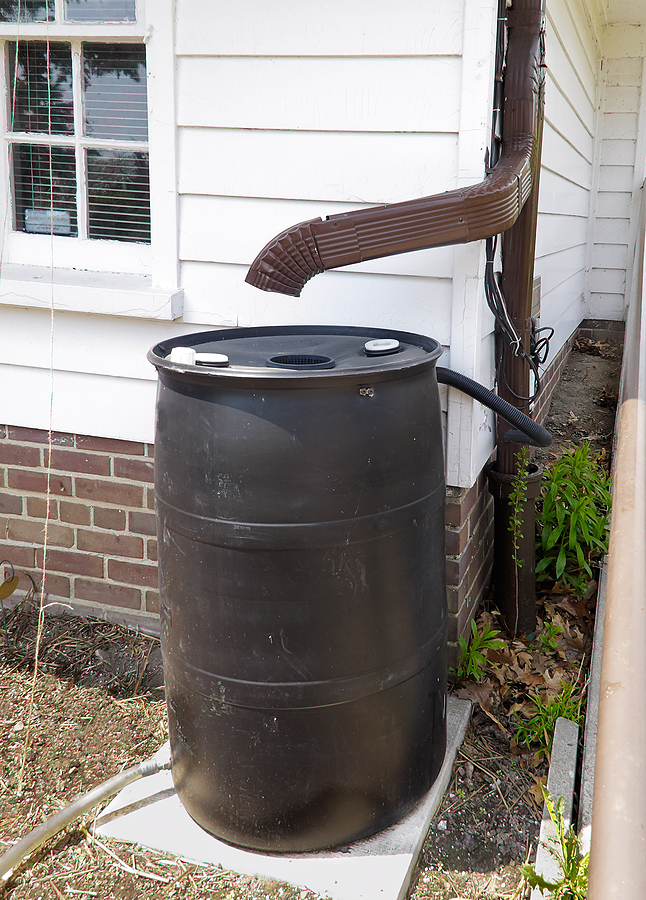
RTS Home Accents 50-Gallon Flat Back Rain Barrel
Know What to Plant This Week
Every week I answer the gardener's most important question: what should I plant now? Get seasonal planting advice free — or go Pro for my full Soil Temperature Garden Report, with soil temperature, moisture, weather trends, and crop-by-crop recommendations.
This is the most balanced option for most home gardeners—reliable, durable, and easy to integrate against a house wall.
Best for: Everyday garden irrigation, vegetable beds, general water savings
Why it wins: Strong build + practical design + dependable flow
Pros:
- Flat-back design fits neatly against walls
- Brass spigot is durable and leak-resistant
- Good capacity for most home gardens
Cons:
- Requires proper elevation for best water pressure
Best Runner-Up:
FCMP Outdoor Raincatcher 4000 Rain Barrel
High-capacity rain barrel with overflow control and debris screen for efficient rainwater harvesting.
A strong alternative known for consistent performance and smart overflow management.
Best for: Larger homes, heavier rainfall areas
Pros:
- Reliable overflow protection
- Integrated debris screen
- Solid overall durability
Cons:
- Bulkier footprint than some models
Best Budget Option:
Affordable 55-gallon rain barrel designed for basic rainwater collection and garden use.
A straightforward, cost-effective entry point into rainwater harvesting.
Best for: Budget gardeners, first-time rain barrel users
Pros:
- Large 55-gallon capacity
- Simple setup
- Good value for size
Cons:
- Less refined fittings and finish
Best Decorative Option:
Good Ideas Impressions Rain Saver 50-Gallon Rain Barrel
Decorative rain barrel that combines water storage with an attractive stone-like exterior design.
For gardeners who don’t want their rain barrel to look purely utilitarian.
Best for: Front yards, ornamental gardens
Pros:
- Attractive exterior design
- Functional storage capacity
- Blends into landscaping
Cons:
- Slightly higher cost for aesthetics
Best Compact Option:
RTS Home Accents 35-Gallon Rain Barrel with Planter Top
Compact rain barrel with integrated planter top for small-space rainwater harvesting.
Ideal for smaller spaces where footprint matters more than capacity.
Best for: Small gardens, patios, urban spaces
Pros:
- Compact footprint
- Built-in planter adds visual appeal
- Easier to position in tight areas
Cons:
- Lower storage capacity
Types of Rain Barrels (And When to Use Them)
1. Standard Plastic Rain Barrels
Most common type, made from UV-resistant plastic for durability and affordability. Rainwater harvesting systems typically rely on these for residential use .
2. Decorative Rain Barrels
Designed to blend into landscaping while still collecting roof runoff efficiently.
3. Large-Capacity / Linked Systems
Multiple barrels connected together for higher water storage needs.
4. Planter-Top Rain Barrels
Combine water storage with a decorative planting area for visual appeal.
How Rain Barrels Are Actually Used
In a working garden, rain barrels are not just storage—they are part of an irrigation system:
1. Garden Irrigation
Water vegetable beds, fruit trees, and ornamentals using captured rainwater.
2. Drought Backup Supply
Provide supplemental water during dry periods.
3. Container Watering
Fill watering cans or buckets for targeted plant care.
4. Soil Health Support
Encourage deeper root growth through consistent, chemical-free watering.
How to Use a Rain Barrel Correctly
1. Elevate the barrel
Raise it on a stand for usable water pressure.
2. Keep it covered and screened
Prevents mosquitoes and debris buildup.
3. Manage overflow properly
Direct excess water away from foundations.
4. Clean periodically
Prevents algae and sediment buildup.
5. Use first flush diversion if possible
Improves water quality for garden use.
What Actually Matters When Choosing
- Capacity matched to roof size and rainfall
- Durable, UV-resistant construction
- Reliable spigot and overflow design
- Ease of integration with garden watering systems
Most experienced gardeners either start with a single 50–55 gallon barrel or build a linked system for larger beds.
Why This Advice Works
This guidance is based on long-term hands-on gardening experience in raised-bed and in-ground systems where consistent irrigation is essential. In real-world use, rain barrels succeed or fail based on overflow control, elevation, and durability—not just capacity alone.
The models recommended here are chosen for reliable water collection, practical usability, and performance across multiple seasons of garden use.