Parsnip Seed Germination: How to Ensure Even, Fast Sprouting

Parsnips are one of the slowest and trickiest root crops to germinate. Their seeds are naturally short-lived, sensitive to heat, and easily stalled by drying soil. After growing parsnips for decades in Sonoma Valley—mostly in raised beds and mounded rows—I’ve learned that successful germination depends on controlling moisture, temperature, and seed freshness. Here’s exactly how to get your parsnip seeds to sprout evenly and reliably.
Start With Fresh Seed—This Matters More Than Anything
Parsnip seed loses viability quickly. Old seed gives patchy rows and slow or failed sprouting.
- Use current-year seed whenever possible.
- Even one-year-old seed often shows reduced germination.
- Store unused seed cool and dry, but don’t expect it to last long.
My experience:
Any year I tried to use leftover parsnip seed, the rows were thin and uneven. Using fresh seed each spring gives me the strong, consistent germination that parsnips need for a full bed.
Understand Ideal Germination Temperatures
Parsnips need cool, moist soil—not cold and not hot.
- Best soil temperature for germination: 50–70°F (10–21°C)
- Minimum soil temp: 45°F (7°C)
- Above 75°F (24°C): germination slows dramatically or stops
- Below 45°F: seeds sit in the soil and may rot
In Sonoma, I start sowing when the soil holds steady at 50–55°F. Warmer soil has always led to weak, uneven emergence for me.
Prepare a Fine, Loose Seedbed
Parsnip seeds germinate best in a smooth, clod-free surface. Uneven or crusty soil causes seeds to dry out.
- Loosen 8–12 inches of soil.
- Rake the top layer into fine, even texture.
- Remove any rocks, sticks, or clumps.
My experience:
If the seedbed is lumpy, germination is always uneven. A finely-textured surface makes a noticeable difference in consistency.
Sow Shallowly—But Keep the Soil Moist
Parsnip seeds are tiny but need good soil contact.
- Sow ½ inch deep—no more.
- Space seeds thickly; thin later.
- Lightly tamp the soil to ensure contact.
The barrier to germination isn’t depth; it’s drying out, especially in the top inch of soil.
Use the Board Trick for Even Moisture
This is the method that changed my parsnip germination from unreliable to dependable.
How to do it:
- After sowing, water the row thoroughly.
- Lay wooden boards (1×6 or similar) directly over the planted row.
- Check daily.
- As soon as you see sprouts on one edge, remove the boards immediately.
Why it works:
Boards keep the top inch of soil evenly moist and cool—exactly what parsnips need to sprout.
My experience:
With boards, my rows come up in 10–18 days, even in dry California springs. Without boards, germination stretched to 21 days or more and was noticeably patchier.
Prevent Soil Crusting—The Hidden Germination Killer
If soil dries and crusts, tiny parsnip seedlings struggle to break through.
- After removing boards, mulch lightly with fine compost or straw.
- Water gently and consistently.
- Avoid blasting the row with a hose, which compacts the surface.
Maintain Even Moisture Until Seedlings Are Established
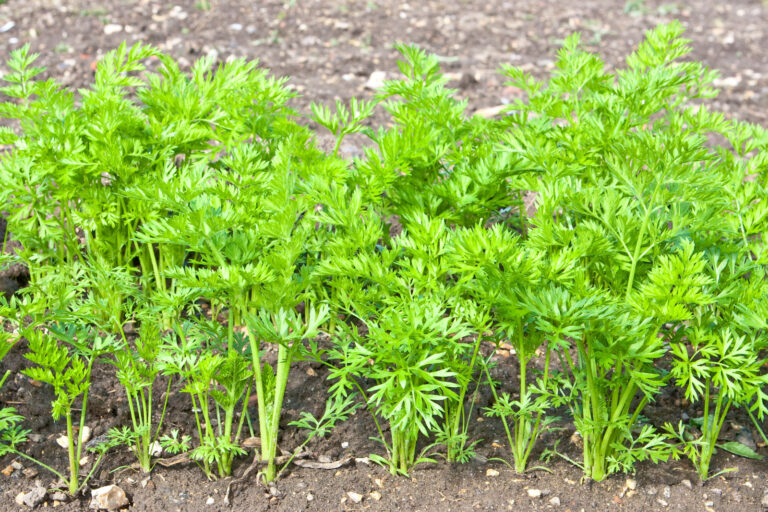
Once seedlings appear—even if they are sparse—keep the soil consistently damp for another week or two.
- Water lightly once or twice daily in warm weather.
- A fine rose watering can or soft-spray wand works best.
My experience:
When I let the soil dry out during early growth, even well-started rows thinned out. Parsnip seedlings are much more delicate than carrots and fade quickly in dry conditions.
Optional: Pre-Sprouting for Extra Insurance
Some gardeners pre-sprout parsnip seeds indoors.
- Place seeds between moist paper towels.
- Keep at 60–70°F.
- Plant carefully as soon as roots barely emerge.
This works, but you must handle sprouted seeds gently. I’ve found field sowing with the board method easier and just as reliable.
Final Thought
Fast, even parsnip germination comes down to three essentials: fresh seed, cool soil, and consistent moisture. With the right preparation—and the simple board trick—you can expect full, uniform rows every time.
Parsnip Learning Hub
Start here: How to Plant, Grow, and Harvest Parsnips: A Complete Guide
Planting & Timing
- When to Plant Parsnips: Best Soil Temperature & Seasonal Timing Explained
- How to Prepare Soil for Parsnips: Bed Prep, pH, and Amendments
- Parsnip Seed Germination Tips: How to Ensure Even, Fast Sprouting
Location & Setup
- Where to Grow Parsnips: Sun, Soil, and Garden Bed Requirements
- How to Grow Parsnips in Raised Beds
- Growing Parsnips in Containers: Soil Mix, Size, and Yield Expectations
Planting Techniques
- Parsnips Seed Starting Tips
- How to Plant Parsnip Seeds for Straight, Long Roots
- Parsnip Spacing Guide: Row Spacing, Thinning, and Root Development
Care & Maintenance
- How to Water Parsnips: Moisture Needs at Every Stage
- How to Feed Parsnips: Fertilizer Timing and Organic Amendments
- Parsnip Care Guide: Mulching, Weeding, and Protecting Roots
Companions & Intercropping
Pest & Diseases
Harvest & Kitchen
- How to Harvest and Store Parsnips
- How to Preserve Parsnips: Freezing, Drying, and Cellaring
- Five Ways to Cook and Serve Parsnips
Varieties