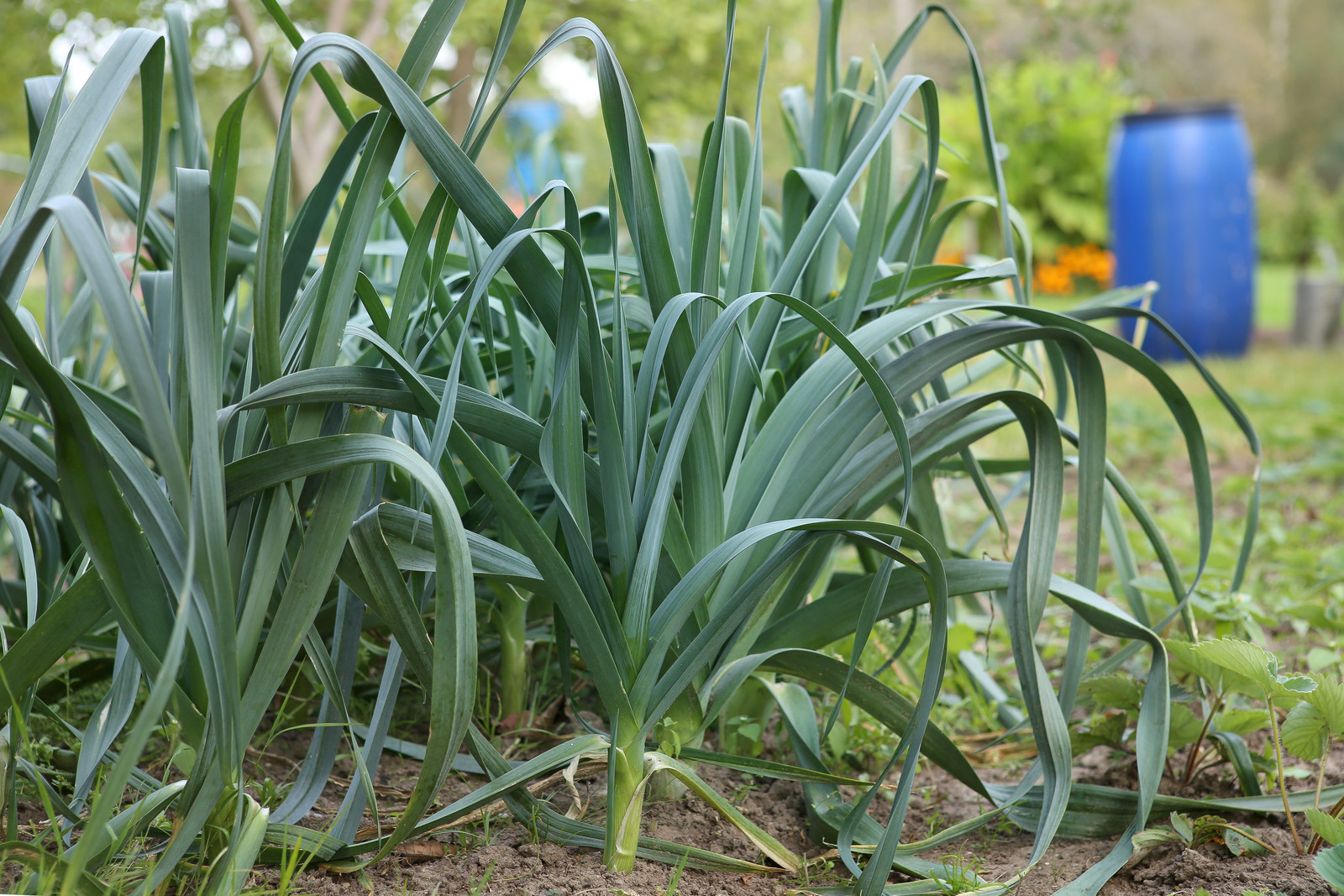
Leeks Care Throughout the Growing Season

Leeks are resilient, flavorful vegetables, but consistent care throughout the season ensures tender, straight, and flavorful stalks. Over the years, I’ve grown leeks in both raised beds and containers, and I’ve learned that attentive watering, feeding, and pest management are key to a successful harvest. Here’s a comprehensive guide to keeping your leeks healthy from planting to harvest.
1. Soil Preparation
- Start with fertile, well-draining soil enriched with compost or aged manure.
- Loosen soil to encourage deep root growth.
2. Watering
- Keep soil evenly moist; leeks dislike dry conditions.
- Water early in the day to allow leaves to dry and prevent disease.
3. Feeding
- Apply a balanced fertilizer or compost tea every 3–4 weeks.
- Side-dress with nitrogen-rich amendments to support strong stalk growth.
4. Mulching
- Apply straw or shredded leaves around plants to retain moisture and suppress weeds.
- Mulch also insulates roots during colder weather.
5. Pest and Disease Management
- Monitor for onion thrips, leek moths, and allium leaf miners.
- Use row covers, floating nets, or companion planting to reduce pest pressure naturally.
6. Blanching and Hilling
- Hill soil or use tubes to blanch stalks for tender, mild leeks.
- Repeat hilling every few weeks as the plant grows.
7. Regular Maintenance
- Remove yellowing or damaged leaves to maintain plant health.
- Keep the growing area weed-free to reduce competition.
8. Harvesting
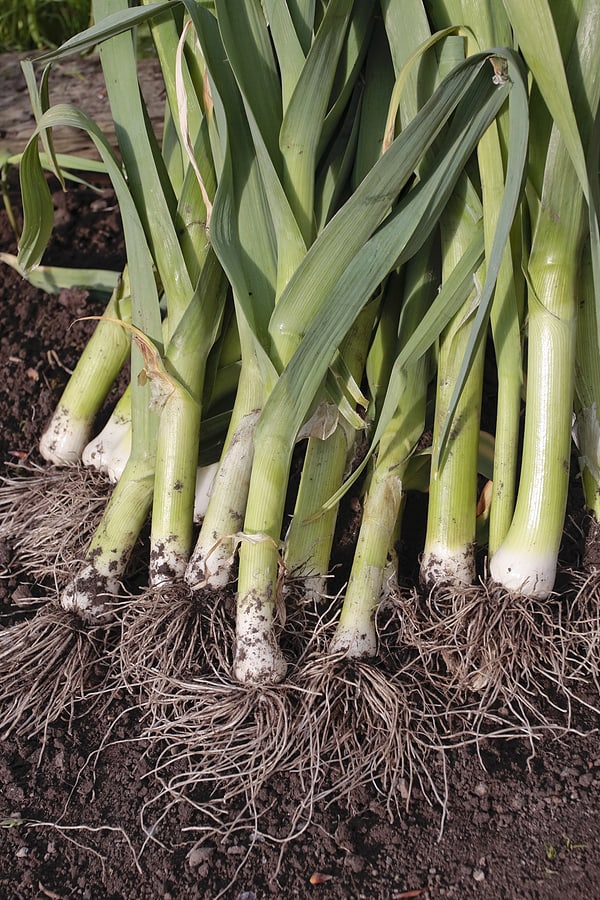
- Leeks are ready when stalks reach 1–2 inches in diameter.
- Gently loosen soil and pull leeks carefully to avoid damage.
Final Thoughts
Leeks reward consistent care with long, tender, and flavorful stalks. By maintaining soil fertility, watering regularly, controlling pests, and blanching stalks, you can enjoy a productive harvest throughout the season.
Leek Seasonal Care: Weekly / Monthly Tasks
| Timeframe | Task | Notes / Tips |
|---|---|---|
| Planting (Seedlings) | Transplant into fertile, well-draining soil | Space 6–8 inches apart; plant deep for blanching |
| Weekly | Water consistently | Keep soil evenly moist; avoid overhead watering late in the day |
| Every 3–4 Weeks | Feed with balanced fertilizer or compost tea | Nitrogen-rich amendments encourage strong stalk growth |
| Early Growth | Apply mulch | Straw or shredded leaves retain moisture and suppress weeds |
| Throughout Season | Monitor for pests and disease | Watch for thrips, leek moths, allium leaf miners; use row covers or companion plants |
| Every 2–3 Weeks | Hill or use tubes for blanching | Protect stalks from sunlight to produce tender, white stems |
| Ongoing | Remove yellow/damaged leaves | Maintains plant health and prevents disease |
| Harvest | Gently lift leeks when 1–2 inches thick | Leave outer leaves intact if continuing growth for later harvest |
✅ Gardener’s Tip: Following this schedule ensures consistent growth, minimal pest damage, and long, tender stalks throughout the season.
Leeks Growing Hub
Start here: The Ultimate Leeks Growing Guide: From Seed to Harvest
Leek Basics & Varieties
- Short-Season vs. Long-Season Leeks: Key Differences and How to Grow Each
- Best Leek Varieties to Grow in Your Garden
- Leeks vs. Green Onions vs. Garlic Scapes: What’s the Difference?
Planting & Site Prep
- Leeks Seed Starting Tips
- When to Plant Leeks by USDA Zone
- Planting and Spacing Leeks for Healthy Growth
- The Best Companion Plants for Leeks and What to Avoid
Unique Growing Methods
- Hilling Leeks: How to Grow Long, White Stems
- Growing Leeks in Tubes: A Step-by-Step Method
- How to Grow Leeks in Containers or Pots
Care & Maintenance
- How to Water Leeks for Steady Growth
- Fertilizing Leeks: Feeding Tips for Bigger, Sweeter Stalks
- Leek Care Throughout the Growing Season
- How to Extend the Leek Harvest Into Winter
Pests & Diseases
Harvest & Beyond