How to Plant Artichokes: Soil Prep, Spacing, and Transplant Tips

Planting artichokes correctly is the foundation for a productive harvest. Over many years growing artichokes in both coastal and inland California—and testing them in raised beds, mounded beds, and open garden rows—I’ve found that success comes down to three essentials: rich soil, wide spacing, and careful transplanting. Artichokes are long-lived perennials in mild climates and heavy-producing annuals in cooler regions, so getting the planting right pays off for seasons to come.
This guide brings together practical techniques, including hands-on experience, research-based recommendations, and climate-specific adjustments.
1. Prep the Soil for Strong Artichoke Roots
Artichokes thrive in deep, loose, fertile soil rich in organic matter. Their root systems can reach 3–4 feet deep when given the opportunity, so preparation is key.
Build Ideal Soil Conditions
- Texture: Well-drained loam or sandy loam
- pH: Slightly acidic to neutral (6.5–7.0)
- Depth: Loosen soil 12–18 inches
- Organic matter: Add 2–4 inches of compost and mix thoroughly
In my Sonoma Valley garden, adding compost every fall has consistently led to earlier, larger bud production the following spring.
Improve Drainage
Artichokes struggle in soggy conditions. If your soil is heavy clay:
- Create mounded beds or grow on slight hills.
- Mix in coarse materials like agricultural sand or fine bark.
- Avoid planting in low, wet spots.
2. Choose the Right Spacing for Large, Spreading Plants
Artichokes are commanding plants—each one can span 3–4 feet wide. Crowded plants compete for nutrients, light, and airflow, reducing bud size and number.
Recommended Spacing
- Between plants: 3–4 feet
- Between rows: 4–6 feet
- In raised beds: Plant at the corners or along edges to give leaves room to spill outward
- In containers: Use a minimum 15–20 gallon container, ideally 24 inches deep
Experience Tip: I’ve found that wider spacing always yields better buds. When I gave artichokes 4 feet of space instead of 3, the bud size was noticeably larger.
3. Transplanting Artichokes: Timing and Technique
Best Transplanting Conditions
- Soil temperature 50–65°F
- Daytime temperatures 55–75°F
- Cloudy or mild weather
- Avoid planting before or during hot spells
How to Transplant
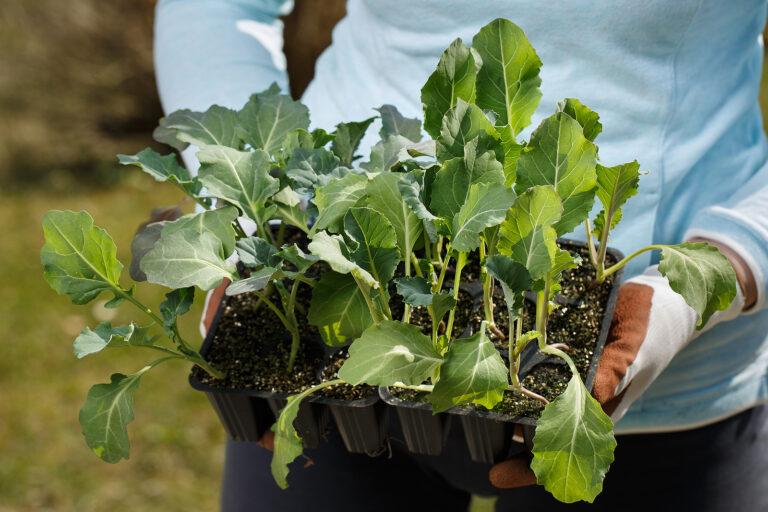
- Harden off seedlings for 7–10 days, gradually exposing them to outdoor conditions.
- Dig holes slightly deeper and twice as wide as the seedling root ball.
- Mix compost into the bottom and sides of the planting hole.
- Place the plant so the crown sits at soil level—never buried.
- Backfill and firm the soil gently.
- Water deeply to settle roots.
- Apply 2–3 inches of mulch to conserve moisture and suppress weeds.
Vernalization for Better Budding
In cooler climates, expose seedlings to 10–14 days of 45–55°F temperatures before transplanting. This triggers the plant’s natural “flowering clock,” improving first-year bud production.
4. After-Planting Care: Setting Up for Success
Watering
- Keep soil evenly moist during establishment.
- Once growing strongly, water deeply once or twice a week.
- Avoid overhead irrigation to reduce fungal issues.
Feeding
Artichokes are heavy feeders:
- Add compost at planting.
- Side-dress with a balanced organic fertilizer every 4–6 weeks during active growth.
Mulching
Use straw, shredded leaves, or compost mulch to:
- Moderate soil temperature
- Retain moisture
- Prevent weed competition
Mulching also protects the crown from temperature swings—crucial in inland climates with warm springs and cool nights.
Final Thoughts
Planting artichokes well—rich soil, wide spacing, and careful transplanting—sets the stage for a long season of growth and abundant buds. With thoughtful preparation and climate-appropriate timing, artichokes become one of the most reliable and dramatic crops in the garden. In my experience, a well-planted artichoke can last for years in mild climates and still produce impressively in a single season elsewhere.
Artichoke Learning Hub
Start here: How to Plant and Grow Artichokes: A Complete Guide – Full overview combining planting, care, and tips.
1. Planning and Varieties
- Best Artichoke Varieties for Home Gardeners – Choose the right variety for your climate and garden space.
- The Best Growing Conditions for Artichokes: Climate, Soil, and Sun Requirements – Understand the ideal environment for strong growth.
- The Best Companion Plants for Artichokes – Maximize productivity and garden health through smart plant pairings.
2. Starting Artichokes
- How to Start Artichokes From Seed: Indoor Sowing, Transplanting, and Timing – Begin your artichokes indoors for an early start.
- How to Plant Artichokes the Right Way: Soil Prep, Spacing, and Transplant Tips – Ensure proper planting for vigorous growth.
- When to Plant Artichokes in Your Garden: Cool-Season Timing for Every Climate – Align planting with seasonal windows.
- Artichoke Planting Calendar: Month-by-Month Guide – Reference for planting, care, and expected harvest times.
3. Care and Maintenance
- How to Water and Fertilize Artichokes for Big, Tender Buds – Ensure strong growth and large, flavorful buds.
- Artichoke Care Throughout the Season: Pruning, Mulching, and Overwintering Tips – Seasonal care strategies for healthy plants.
- How to Overwinter Artichokes for Bigger Harvests Next Year – Protect crowns for larger next-season yields.
- How to Grow Artichokes in Containers: Soil Mix, Pot Size, and Seasonal Care – For gardeners with limited space.
- Artichokes Growing Problems: Troubleshooting – Identify and solve common issues for healthier plants.
4. Harvesting, Storing, and Cooking
- How to Harvest and Store Artichokes – Timing and methods for picking tender buds.
- How to Store and Preserve Artichokes: Refrigeration, Freezing – Extend freshness and flavor post-harvest.
- How to Cook and Serve Artichokes – Turn your harvest into delicious dishes.