How to Grow Yardlong Beans: Planting, Care, and Harvest Guide

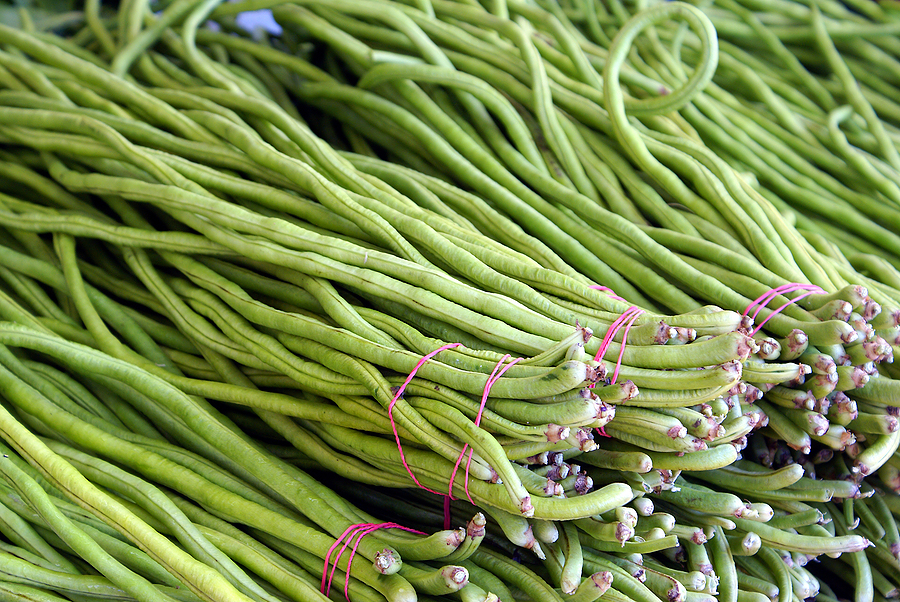
Yardlong beans — also called asparagus beans — are one of the easiest and most productive vegetables for hot summer gardens. Despite their name, the pods usually grow 12 to 24 inches long rather than a full yard. They thrive when temperatures climb above 75°F (24°C), making them an excellent substitute for green beans in regions with long, hot summers.
I’ve grown yardlong beans during warm summers when common snap beans slowed or stopped producing. Once the vines begin climbing, they quickly cover a trellis with lush foliage, colorful flowers, and long, tender pods that are ready to harvest almost daily. Few vegetables produce as heavily through the hottest part of summer.
What Are Yardlong Beans?
Yardlong beans (Vigna unguiculata subsp. sesquipedalis) are actually a type of cowpea rather than a true green bean. Native to Southeast Asia, they have been grown for centuries in China, Thailand, Vietnam, and other tropical regions.
The slender pods grow rapidly—sometimes several inches in a single day—and remain tender much longer than common snap beans. Their flavor is slightly nutty and sweeter than green beans, making them excellent for stir-fries, steaming, sautéing, and grilling.
Know What to Plant This Week
Every week I answer the gardener's most important question: what should I plant now? Get seasonal planting advice free — or go Pro for my full Soil Temperature Garden Report, with soil temperature, moisture, weather trends, and crop-by-crop recommendations.
Why Grow Yardlong Beans?
Gardeners appreciate yardlong beans because they:
- Thrive in hot, humid weather
- Produce continuously for months
- Require relatively little maintenance
- Tolerate drought better than common beans
- Attract pollinators with attractive lavender flowers
- Fix nitrogen in the soil, improving garden fertility
Once established, just a few plants can produce dozens of meals during midsummer.
Best Climate for Growing Yardlong Beans
Yardlong beans love heat.
Unlike bush beans, which often stop flowering during very hot weather, yardlong beans flourish in temperatures between 80°F and 95°F (27°–35°C).
Wait until:
- Soil temperature reaches at least 70°F (21°C)
- Frost danger has passed
- Night temperatures stay above 60°F (16°C)
In cooler climates, plant them after tomatoes and peppers are safely growing outdoors.
Choose the Right Location
Plant yardlong beans where they receive:
- 6 to 8 hours of direct sunlight
- Rich, well-drained soil
- Good air circulation
- A sturdy trellis or support
Because the vines commonly reach 8 to 12 feet tall, vertical growing saves garden space while producing straighter pods.
Prepare the Soil
Beans grow best in loose soil rich in organic matter.
Before planting:
- Work in 2 to 3 inches of finished compost.
- Maintain a soil pH between 6.0 and 7.0.
- Avoid heavy nitrogen fertilizers, which encourage leaves instead of beans.
Like other legumes, yardlong beans make much of their own nitrogen once root nodules become established.
Planting Yardlong Beans
Direct sow seeds after the soil has thoroughly warmed.
Plant:
- Seeds 1 inch deep
- 4 to 6 inches apart
- Rows 30 to 36 inches apart
For trellis growing, plant seeds in pairs every 6 inches along the base of the support.
Seeds usually germinate within 7 to 10 days in warm soil.
Support the Vines
Yardlong beans climb by twining.
Provide:
- Cattle panels
- Bean teepees
- A-frame trellises
- Wire fencing
- Strong netting
Supports should stand at least 6 to 8 feet tall.
Growing vertically improves air circulation, reduces disease, and makes harvesting easier.
Watering
Provide consistent moisture while plants establish.
Aim for:
- About 1 inch of water weekly
- Deep watering rather than frequent shallow watering
- Mulch to conserve moisture
Although mature plants tolerate short dry periods, even moisture encourages longer, more tender pods.
Fertilizing
Most gardens require little fertilizer.
If growth appears weak:
- Side-dress with compost
- Apply a balanced organic vegetable fertilizer sparingly
Avoid high-nitrogen fertilizers.
Common Problems
Yardlong beans experience relatively few serious problems.
Watch for:
- Aphids
- Spider mites during hot, dry weather
- Bean beetles
- Powdery mildew in humid conditions
Healthy plants growing in full sun with good spacing usually outgrow minor pest damage.
When to Harvest Yardlong Beans
Harvest frequently.
The best pods are:
- 12 to 18 inches long
- Smooth
- Bright green
- Flexible
- Pencil-thick
Most varieties mature about 60 to 75 days after planting.
I harvest nearly every other day during peak production. Frequent picking encourages vines to produce even more flowers and pods throughout summer.
If pods become swollen and seeds enlarge, they become tougher and less tender.
Use scissors or pruners rather than pulling pods from the vine.
How Much Will One Plant Produce?
Healthy plants often produce:
- 30 to 60 pods per vine
- Several pounds of beans over the season
Harvesting every few days keeps production going until cool weather arrives.
Storing Yardlong Beans
Fresh beans keep well for:
- 5 to 7 days in the refrigerator
- Stored unwashed in a perforated plastic bag
For longer storage:
- Blanch for 2 to 3 minutes
- Cool immediately in ice water
- Freeze in airtight freezer bags
How to Use Yardlong Beans
Their crisp texture makes them versatile in the kitchen.
Popular preparations include:
- Stir-fries
- Garlic sauté
- Steaming
- Grilling
- Soups
- Curries
- Pickling
Young pods can also be eaten raw in salads.
Recommended Varieties
Reliable garden varieties include:
- Red Noodle
- Chinese Red
- Orient Wonder
- White Seeded
- Mosaic
- Purple Podded
Each offers excellent productivity and adapts well to home gardens.
Growing Tips for Success
- Wait for warm soil before planting.
- Grow vertically on sturdy supports.
- Harvest every two to three days.
- Mulch to conserve moisture.
- Avoid excessive nitrogen fertilizer.
- Plant succession crops every three weeks for continuous harvests.
Final Thoughts
Yardlong beans reward gardeners with one of the longest harvest seasons of any summer vegetable. Their vigorous vines, abundant flowers, and nearly nonstop production make them ideal for gardeners looking to maximize harvests from a small space. If hot weather causes your green beans to struggle, yardlong beans may become your new favorite summer crop. Once you’ve grown them, you’ll likely plant them every year.