Why Your Tomato Flowers Aren’t Producing Fruit (And How to Fix It)

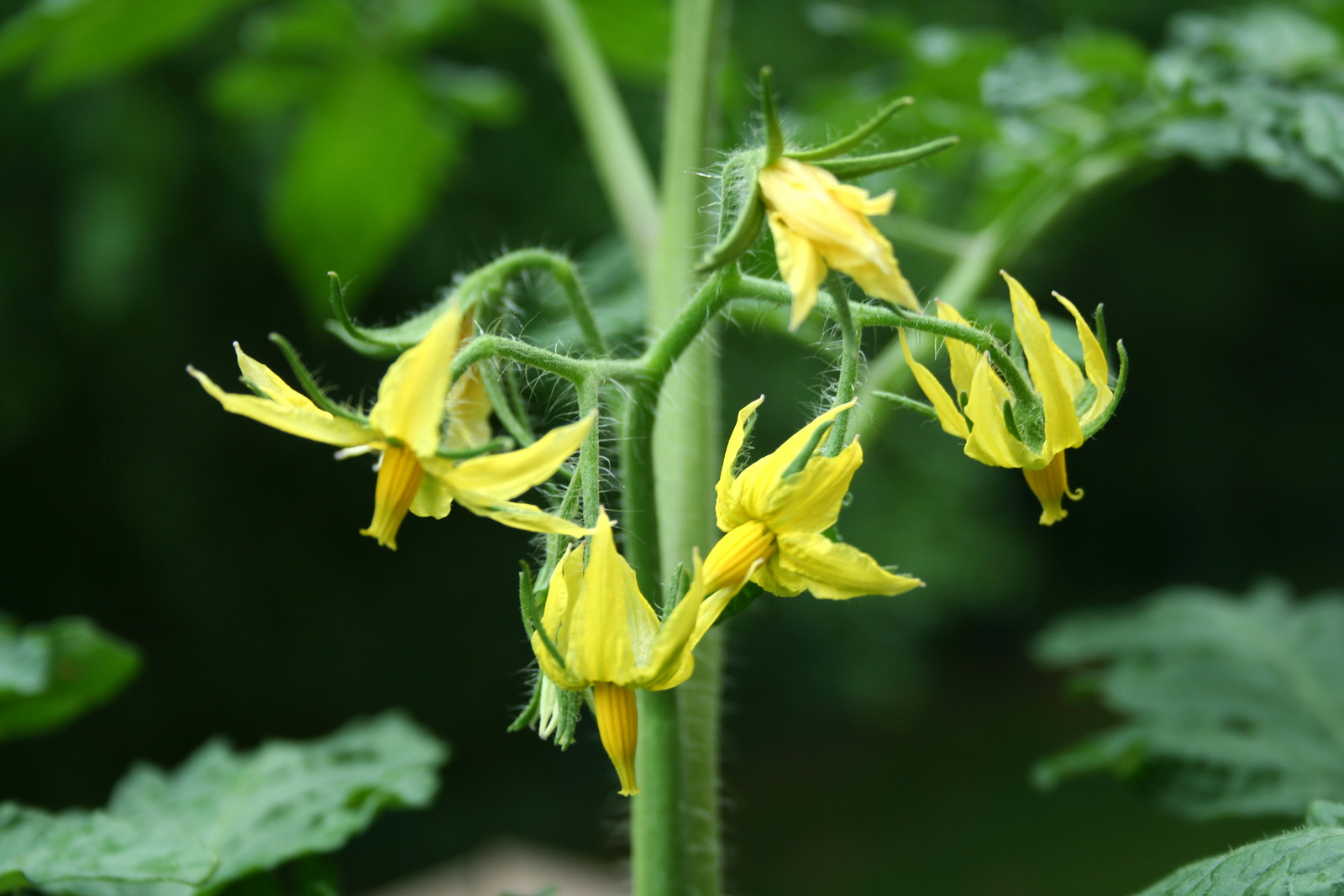
Few tomato problems are more frustrating than watching your plants produce dozens of beautiful yellow flowers—only to see those flowers drop without forming tomatoes.
A healthy tomato plant can look vigorous and green while producing very little fruit. The problem is often not the plant itself but a disruption in the delicate process of pollination and fruit set.
After growing tomatoes in gardens across Iowa, eastern Massachusetts, and Northern California, I’ve seen this issue in many forms. A humid Midwest summer, a cool New England spring, and a hot California heat wave can all prevent tomato flowers from becoming fruit.
The good news is that most tomato flower problems have identifiable causes. Once you understand what tomatoes need for successful pollination, you can take steps to encourage more flowers to develop into healthy fruit.
Know What to Plant This Week
Every week I answer the gardener's most important question: what should I plant now? Get seasonal planting advice free — or go Pro for my full Soil Temperature Garden Report, with soil temperature, moisture, weather trends, and crop-by-crop recommendations.
Why Tomato Flowers Don’t Produce Fruit
Tomato flowers must be pollinated before a tomato can form.
Inside each flower are:
- Anthers, which produce pollen
- The stigma, which receives pollen
- The ovary, which develops into the tomato fruit
Tomatoes are self-pollinating, meaning each flower contains both male and female parts. However, successful pollination still depends on the right conditions.
Flowers may fail to produce fruit because of:
- Extreme temperatures
- Poor pollination
- Excess nitrogen
- Water stress
- Lack of pollinator activity
- Low humidity
- High humidity
- Plant stress
The Most Common Reason: Temperature Stress
Temperature is one of the biggest causes of tomato flowers failing to set fruit.
Tomatoes set fruit best when:
- Day temperatures are about 70–85°F (21–29°C)
- Night temperatures are about 55–70°F (13–21°C)
When temperatures become too high:
- Pollen becomes less viable
- Flowers may drop
- Fruit set decreases
When temperatures become too low:
- Pollen release slows
- Fertilization becomes less successful
This is why tomato production often slows during midsummer heat waves.
Heat Waves and Tomato Flower Drop
Hot weather is one of the most common causes of flower drop in summer gardens.
When daytime temperatures climb above 90°F (32°C), especially with warm nights above 70°F (21°C), tomatoes may stop setting fruit.
The plant essentially shifts into survival mode.
Signs of heat-related flower problems include:
- Flowers dropping unopened
- Flowers falling after blooming
- Few new tomatoes forming
- Healthy green plants with little fruit
The solution is usually patience. When temperatures moderate, healthy plants often resume fruit production.
Poor Pollination: When Flowers Bloom but Don’t Set Fruit
Even though tomatoes are self-pollinating, they still need movement to release pollen.
In nature, pollen is often released by:
- Wind
- Bees
- Native pollinators
- Garden activity
Poor pollination can occur during:
- Calm weather
- Rainy periods
- Very humid conditions
- Lack of pollinator activity
You may notice flowers that appear normal but never enlarge into fruit.
How to Improve Tomato Pollination
You can encourage better pollination by:
Gently Shaking Plants
A simple shake of tomato plants can help release pollen.
Try:
- Tapping the flower clusters
- Gently shaking stakes or cages
- Running your fingers along flower clusters
Use an Electric Toothbrush
Some gardeners use a small vibrating tool near flower clusters to mimic the vibration caused by bees.
Encourage Pollinators
Plant flowers nearby that attract beneficial insects.
Good choices include:
- Basil
- Marigolds
- Sweet alyssum
- Sunflowers
- Zinnias
A diverse garden supports better pollination.
Too Much Nitrogen Can Cause Flowers Without Fruit
A common mistake is giving tomatoes too much nitrogen fertilizer.
Excess nitrogen encourages:
- Large leaves
- Rapid stem growth
- Dark green foliage
- Fewer flowers
- Reduced fruit production
A tomato plant does not need to be enormous to produce a large harvest.
Once plants begin flowering, shift from encouraging leafy growth to supporting fruit development with balanced nutrition.
Water Stress Can Cause Flower Drop
Tomatoes need consistent moisture to produce fruit.
Both drought and overwatering can interfere with fruit set.
When plants dry out:
- Flowers may drop
- Fruit development slows
- Plants become stressed
When soil stays saturated:
- Roots cannot absorb nutrients properly
- Plant health declines
- Flower production may suffer
Maintain even soil moisture by:
- Watering deeply
- Applying mulch
- Using drip irrigation
Too Much Shade Can Reduce Fruit Production
Tomatoes need plenty of sunlight.
For best production, provide:
- At least 6 to 8 hours of direct sunlight daily
- Good airflow
- Healthy foliage
Too much shade can result in:
- Fewer flowers
- Weak growth
- Slower fruit development
Why Some Tomato Varieties Set Fruit Better Than Others
Not all tomatoes respond equally to weather conditions.
Large-fruited varieties, especially heirlooms, may struggle more during heat waves.
Smaller varieties often set fruit more reliably.
Examples include:
- Cherry tomatoes
- Grape tomatoes
- Early-season varieties
Heat-tolerant tomato varieties can also perform better in hot climates.
Blossom Drop vs. Failed Pollination
These problems can look similar.
Blossom Drop
The flower dries up and falls before forming fruit.
Common causes:
- Heat
- Cold
- Water stress
- Excess nitrogen
Failed Pollination
The flower remains attached but does not develop into fruit.
Common causes:
- Poor pollen transfer
- Extreme humidity
- Temperature stress
Understanding the difference helps you choose the right solution.
What To Do When Tomato Flowers Aren’t Producing Fruit
Try these steps:
1. Check Temperatures
If temperatures are extreme, wait for more favorable conditions.
2. Maintain Consistent Watering
Avoid drought stress and sudden moisture swings.
3. Reduce Nitrogen
Stop heavy nitrogen feeding and use a fertilizer better suited for flowering and fruiting.
4. Improve Pollination
Encourage pollinators or gently vibrate flowers yourself.
5. Protect Plants During Heat
Use:
- Mulch
- Shade cloth during extreme heat
- Proper irrigation
6. Be Patient
Tomatoes often pause production during stressful weather and resume once conditions improve.
My Tomato Growing Experience
Growing tomatoes in Iowa, Massachusetts, and California has taught me that fruit set is often more about timing and conditions than gardener mistakes.
In Iowa, summer humidity and temperature swings affected pollination. In Massachusetts, cool spring nights sometimes delayed fruit set. In California, intense summer heat often caused plants to pause during the hottest weeks.
The lesson I’ve learned over decades is simple: healthy tomato plants are resilient. If plants have good soil, adequate water, proper nutrition, and enough sunlight, they usually recover when conditions improve.
The gardener’s job is not to force tomatoes to fruit—it is to create the conditions where fruit set can happen naturally.
Frequently Asked Questions
Why are my tomato flowers blooming but not producing tomatoes?
The most common causes are temperature stress, poor pollination, water stress, and excessive nitrogen.
Why do tomato flowers fall off before producing fruit?
Flowers often drop because of extreme heat, cold temperatures, drought stress, or plant stress.
How can I encourage tomato flowers to produce fruit?
Maintain consistent watering, avoid excess nitrogen, improve pollination, and protect plants from temperature extremes.
Do tomatoes need bees to produce fruit?
No. Tomatoes are self-pollinating, but vibration from wind, insects, or movement helps release pollen.
Can I hand pollinate tomato flowers?
Yes. Gently shaking flower clusters or using a small vibrating tool can help transfer pollen.
Why do my tomato plants have lots of leaves but no tomatoes?
Excess nitrogen, insufficient sunlight, or too much vegetative growth can result in large plants with poor fruit production.
Will tomatoes produce fruit after a heat wave?
Usually yes. Healthy plants often resume flowering and fruit set when temperatures return to a more favorable range.
Should I remove tomato flowers that aren’t producing fruit?
No. Wait until flowers naturally drop. Removing flowers will not improve production.
The Bottom Line
When tomato flowers aren’t producing fruit, the problem is usually a signal that growing conditions are not ideal—not that your plants are failing.
Temperature, pollination, watering, nutrition, and plant stress all play a role in whether flowers become tomatoes.
After decades of growing tomatoes across different climates, I’ve found that the best approach is to support the plant, maintain consistent care, and give it time to respond.
Healthy tomato plants are remarkably productive when given the conditions they need. With proper watering, balanced fertility, and attention to pollination, those flowers can become the abundant summer harvest every gardener hopes for.