Broadcast Sowing Vegetable Seeds: How to Choose the Right Crops and Get Even Germination

Broadcast Sowing in the Vegetable Garden
Broadcast sowing—scattering seeds across the soil surface—is one of the oldest and simplest planting methods. It’s fast, efficient, and ideal for growing dense stands of greens, herbs, and baby vegetables. In small home gardens and market gardens alike, broadcasting creates quick harvests with minimal effort. The key is choosing the right seeds and using techniques that ensure even spacing and strong germination.
Vegetable Seeds That Grow Well When Broadcast
Not all vegetables thrive when scattered randomly. Broadcast sowing works best for small-seeded crops, cut-and-come-again greens, and vegetables grown for baby size.
Leafy Greens and Salad Mixes
These germinate quickly, tolerate close spacing, and produce abundant baby greens:
- Lettuce mixes
- Arugula
- Mustard greens
- Mizuna
- Tatsoi
- Spinach (especially smooth-leaf types)
- Baby kale
- Baby Swiss chard
Herbs
Fast-growing annual herbs do well when densely sown:
Know What to Plant This Week
Every week I answer the gardener's most important question: what should I plant now? Get seasonal planting advice free — or go Pro for my full Soil Temperature Garden Report, with soil temperature, moisture, weather trends, and crop-by-crop recommendations.
- Dill
- Cilantro/Coriander
- Parsley (best for baby leaf)
Root Crops for Baby Size
Broadcast sowing is effective when growing roots for baby harvests or greens:
- Radishes
- Turnips
- Carrots (especially pelleted seed)
- Beets
Cover Crops and Living Mulches
Broadcasting is the standard method for many soil-building crops:
- Clover
- Vetch
- Buckwheat
- Fenugreek
- Mustard cover crops
Vegetables That Should Not Be Broadcast
Some crops require spacing, rows, or specific planting depths:
- Corn
- Beans and peas
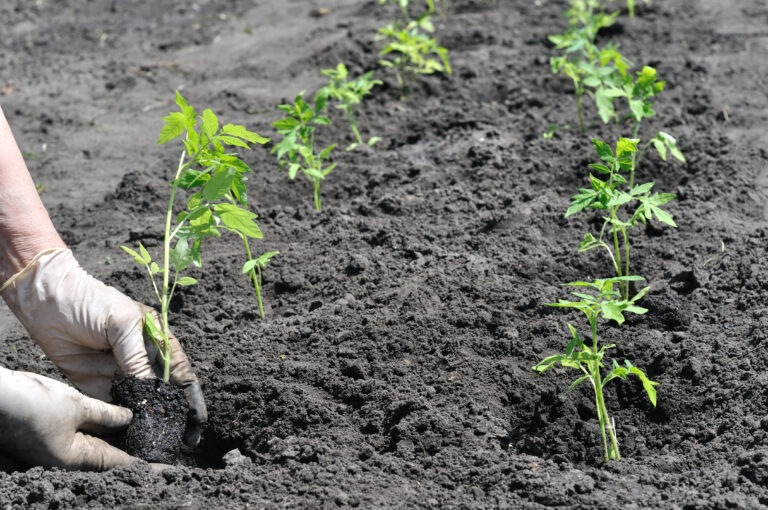
- Tomatoes, peppers, eggplant
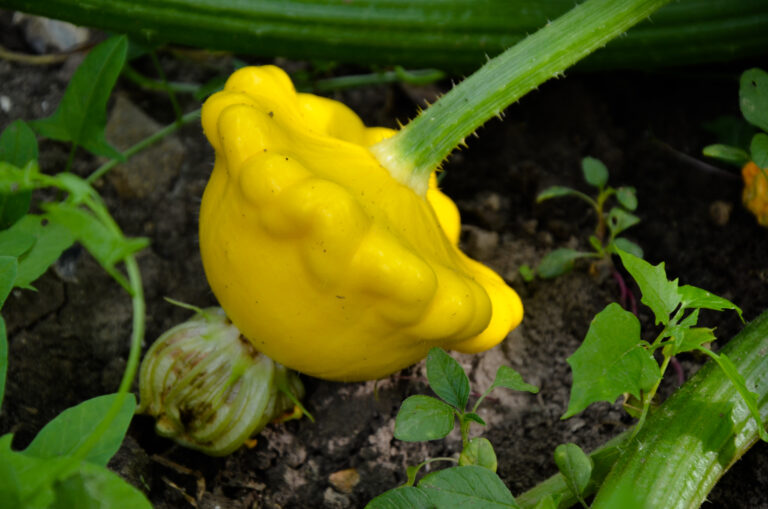
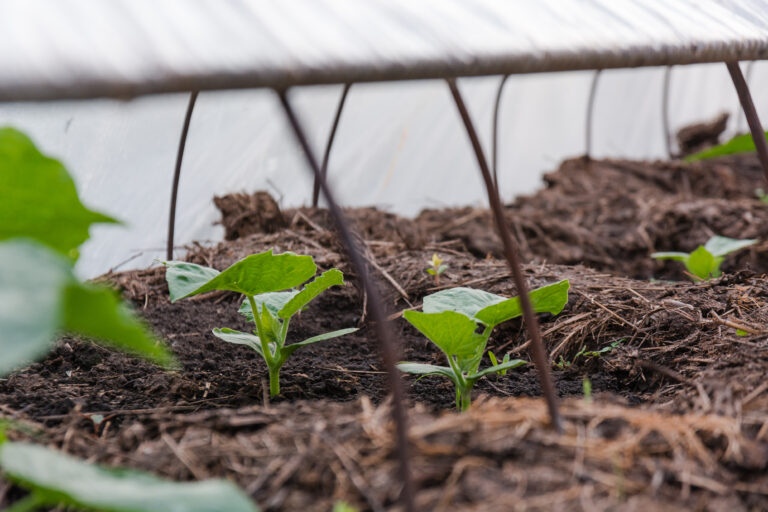
- Cucumbers, squash, melons
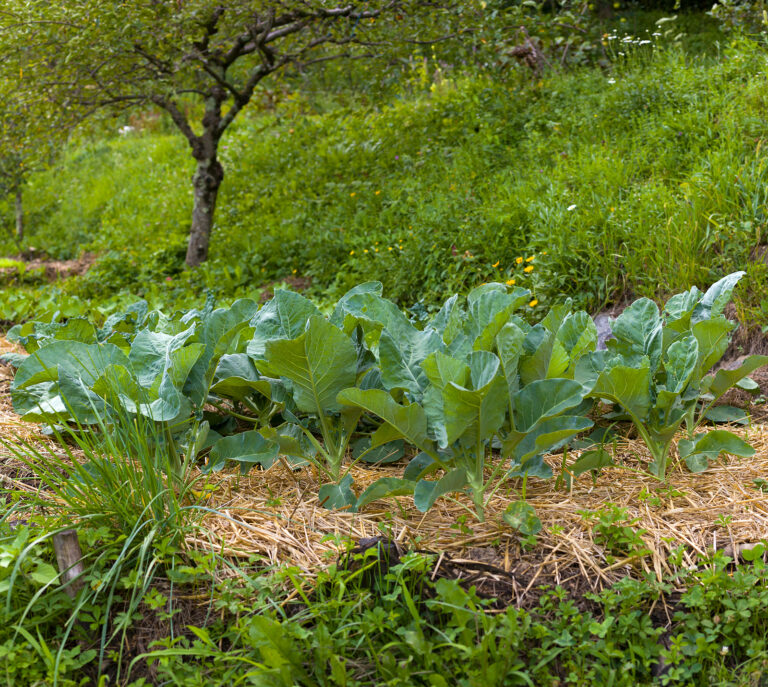
- Cabbage, broccoli, cauliflower
- Onions, leeks
- Potatoes, garlic
How to Broadcast Vegetable Seeds for Even Distribution
Successful broadcasting comes down to preparation, technique, and aftercare. These steps are used widely in home gardens, small farms, and intensive market-garden systems.
1. Prepare a Fine, Level Seedbed
A smooth surface promotes even germination. Break up clods, rake out debris, and lightly firm the soil. Moist but not sticky soil is ideal for broadcasting.
2. Mix Seeds With a Carrier
This is the secret to achieving even coverage.
Use:
- Horticultural sand
- Vermiculite
- Dry compost
- Rice hulls
A 1:10 to 1:20 ratio (seed to carrier) helps prevent clumping, shows where you’ve already sown, and spreads tiny seeds much more evenly.
3. Broadcast in Two Directions
Walk the bed and scatter seed:
- First along the length of the bed
- Then across the width
This cross-hatch pattern gives uniform density and fills gaps naturally.
4. Press or Lightly Cover the Seed
Good seed-to-soil contact is essential.
- For tiny seeds (lettuce, arugula, mustard): press into the soil surface with a board or the back of a rake—do not bury them.
- For slightly larger seeds (radish, spinach, baby beets): lightly rake in or cover with a dusting of compost.
5. Water Gently
Use a fine spray or rose nozzle to avoid washing seeds. Keep the surface moist until germination. Shade cloth or row cover helps maintain moisture in hot or windy weather.
6. Thin Through Harvesting
Broadcast crops often come up thickly. The first harvest of baby greens usually serves as thinning, improving airflow and encouraging steady regrowth.
Why Broadcast Sowing Works
Broadcast sowing is efficient, saves time, and is ideal for producing high-yield baby vegetables in a small space. It reduces the need for precise row spacing or tools, and it creates a living mulch canopy that suppresses weeds and conserves moisture. For salad mixes and greens, it can be one of the most productive planting methods in any season.
Broadcast Sowing vs. Row Sowing: Vegetable Comparison Chart
| Crop | Best Method | Why | Notes |
|---|---|---|---|
| Lettuce (baby leaf, mixes) | Broadcast | Tiny seed, fast germination, dense plantings thrive | Ideal for cut-and-come-again harvests |
| Arugula | Broadcast | Grows well in dense stands | Harvest young for best flavor |
| Mustard greens | Broadcast | Tolerates crowding; quick growth | Good for baby greens and salad mixes |
| Mizuna / Tatsoi | Broadcast | Small seeds, uniform baby-leaf production | Mild flavor, repeat harvests |
| Spinach | Broadcast for baby; Rows for bunching | Dense sowing OK for baby leaf | Smooth-leaf types broadcast most evenly |
| Kale (baby) | Broadcast | Thrives in dense sowings when harvested young | Use rows for full-size plants |
| Swiss chard (baby) | Broadcast | Quick baby-leaf production | For large bunching use rows |
| Microgreens / baby greens mixes | Broadcast | Designed for high-density sowing | Rapid turnover crop |
| Cilantro | Broadcast for leaf harvest; Rows for seed | Dense stands produce more leaf | Rows if growing for coriander |
| Dill | Broadcast | Fast, airy growth suits dense plantings | Broadcast works well with salad mixes |
| Parsley | Broadcast for baby; Rows for bunching | Slow germination but fine for baby leaf | Not ideal for thick mature stands |
| Radish (baby) | Broadcast for baby; Rows for bulbs | Dense sowing for small roots and greens | For uniform mature roots, sow rows |
| Turnips (baby) | Broadcast for baby; Rows for bulbs | Produces tender greens and small roots | Full-size roots require spacing |
| Carrots (baby) | Broadcast | Tiny seeds; baby-size harvest works well | Pelleted seed gives best results |
| Beets (baby) | Broadcast for baby; Rows for roots | Multi-germ seed tolerated better when broadcast | Full-size roots need rows |
| Scallions / Green onions | Rows | Need consistent spacing for straight stems | Broadcast leads to crowded, weak plants |
| Bulb onions | Rows | Require spacing and depth | Broadcasting leads to poor bulb formation |
| Leeks | Rows | Need deep planting and hilling | Not suited to broadcasting |
| Peas | Rows | Need spacing and trellising | Uneven distribution if broadcast |
| Bush beans | Rows | Require even spacing for pods and airflow | Not suited to scattering |
| Pole beans | Rows | Need trellis and proper spacing | Avoid broadcast |
| Corn | Rows / Blocks | Pollination requires grid planting | Broadcasting produces uneven stands |
| Tomatoes | Rows / Transplants | Not direct-seeded by broadcast | Requires spacing and support |
| Peppers | Rows / Transplants | Needs heat and spacing | Not suitable |
| Eggplant | Rows / Transplants | Space-hungry and slow-growing | Not suitable |
| Cucumbers | Rows / Hills | Need exact spacing and airflow | Broadcast leads to overcrowding |
| Squash / Pumpkins | Rows / Hills | Vining crops require space | Not for broadcasting |
| Melons | Rows / Hills | Require spacing and heat | Not for broadcasting |
| Cabbage / Broccoli / Cauliflower | Rows or Transplants | Need individual spacing | Broadcasting causes crowding and pests |
| Potatoes | Rows / Trenches | Planted whole tubers | Cannot broadcast |
| Garlic | Rows / Beds | Planted cloves individually | Not suitable |
| Cover crops (buckwheat, clover, mustard) | Broadcast | Designed for scattering sowing | Excellent soil builders |
Seed Starting & Propagation Learning Hub
Start here — Seed Starting Basics: A Complete Beginner-to-Advanced Guide for Indoor and Outdoor Seed Starting
Seed Starting Fundamentals
- Seed Starting Guide
- Starting Plants from Seed
- Vegetable Seed Starting Indoors and Out
- How to Start Seeds Indoors Step-by-Step
- Starting Vegetables Indoors: 15 Varieties for Success
- Vegetable Seed Germination
- How to Read a Seed Packet
Planning & Timing
- Seed Starting Calendar: When to Start Seeds Indoors and Outdoors
- Spring Outdoor Seed Sowing Schedule
- Seed Catalog Guide: How to Choose the Best Seeds for Your Garden
- Vegetable Seed Buyer’s Guide
Seed Starting Tools, Supplies & Setup
- Essential Seed Starting Supplies
- Seed Starting Mix Buyer’s Guide
- How to Make Your Own Seed Starting Mix
- Seed Starting Tray Buyer’s Guide
- Peat Pot Buyer’s Guide
- Seedling Heat Mat Buyer’s Guide
- Best Lights for Starting Seeds Indoors (and How to Use Them for Strong, Compact Seedlings)
- Lights to Grow Plants: Choose the Right Light
Seedling Care, Troubleshooting & Success Tips