How to Measure Soil Temperature at 4 Inches

Accurate soil temperature readings are one of the simplest yet most powerful tools a gardener can use. After decades of observing plants in Sonoma and similar climates, I’ve learned that measuring soil at the root zone depth—about 4 inches—is far more reliable than air temperature for timing plantings. Seeds and roots respond to the soil they grow in, not the air above it.
Why Measure Soil Temperature
- Germination success: Seeds only sprout within their preferred soil temperature range.
- Transplant timing: Knowing soil warmth ensures seedlings go into the ground without shock.
- Crop selection: Some crops are cool-season, others warm-season; soil temperature tells you which can thrive now.
- Watering decisions: Soil that’s too cold or too hot responds differently to irrigation.
Tools You’ll Need
- Digital soil thermometer: Quick, accurate, and easy to use.
- Probe-style thermometer: Ideal for measuring 4-inch depth directly in garden beds.
- Notebook or digital log: Record daily readings for better planting decisions.
Step-by-Step Guide
- Select your location – Choose the bed, row, or container where you plan to plant. Avoid shady patches if you want representative readings.
- Insert the probe – Push the thermometer probe gently 4 inches into the soil, making sure it’s fully surrounded by soil, not air gaps.
- Wait for stabilization – Allow the thermometer to read steady temperature for 30–60 seconds. Digital thermometers usually stabilize faster.
- Record the reading – Log the temperature, date, and location. Repeat over 2–3 days to verify consistency.
- Repeat across the garden – Different areas may warm at different rates due to sun, soil type, or mulch. Take multiple readings for a complete picture.
Practical Tips
- Measure in the morning for standard comparisons; soil warms throughout the day.
- Remove debris or mulch before taking a reading for accuracy, then replace it afterward.
- For microclimate monitoring, check raised beds, containers, and cold frames separately—they can differ by several degrees.
- Combine with Volumetric Water Content (VWC) readings to gauge moisture and root-zone readiness.
Using Soil Temperature to Time Plantings
Once you know your soil temperature at 4 inches:
- Cool-season crops (peas, lettuce, kale) → Can germinate reliably around 45–55°F
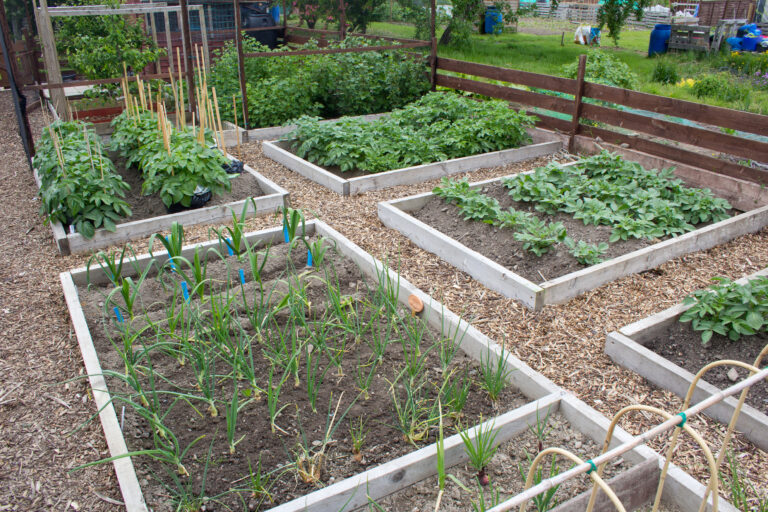
- Bridge crops (potatoes, onions, leeks) → Plant when soil is 50–60°F
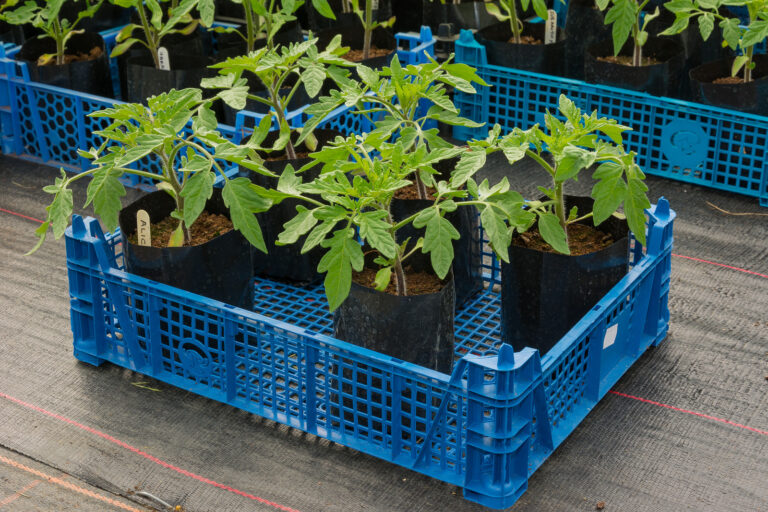
- Warm-season crops (tomatoes, peppers, beans) → Wait until soil consistently exceeds 60°F
Final Thought
Measuring soil temperature is quick, inexpensive, and gives you confidence for every planting decision. Skip the guesswork, follow the soil, and your seeds and seedlings will thank you with faster, more reliable growth.