Best Pots for Growing Vegetables

Top Container Types, Sizes, and Materials for Bigger, Healthier Harvests
If you’re growing vegetables in containers, the pot you choose isn’t just a detail—it’s one of the biggest factors in your success.
After 30+ years of growing vegetables in California (from the Central Valley to raised beds and containers in Sonoma Valley), I’ve tested just about every type of pot available. Some consistently produce strong, high-yield plants. Others lead to constant watering problems, weak growth, or disappointing harvests.
This guide walks you through the best pots for growing vegetables, what to avoid, and exactly what to buy.
Know What to Plant This Week
Every week I answer the gardener's most important question: what should I plant now? Get seasonal planting advice free — or go Pro for my full Soil Temperature Garden Report, with soil temperature, moisture, weather trends, and crop-by-crop recommendations.
Quick Answer (For Buyers Ready to Choose)
- Best overall: Fabric grow bags (best root health and performance)
- Best low-maintenance: Plastic pots (hold moisture longer)
- Best for consistency: Self-watering containers
- Most important feature: Good drainage + adequate size
👉 If you choose the right size and drainage, you’re 80% of the way to success.
What Makes a Good Vegetable Pot?
Vegetables need containers that provide:
- Enough root space (bigger = better yields)
- Consistent moisture (not too wet, not too dry)
- Good drainage (prevents root rot)
- Temperature stability (protects roots from heat stress)
👉 Pair your container with the right mix—see Best Potting Soil Mix for Containers.
Best Types of Pots for Growing Vegetables
1. Fabric Grow Bags (Best Overall Performance)
Why they work:
- Air-prune roots → healthier root systems
- Excellent drainage
- Stay cooler in hot weather
Best for:
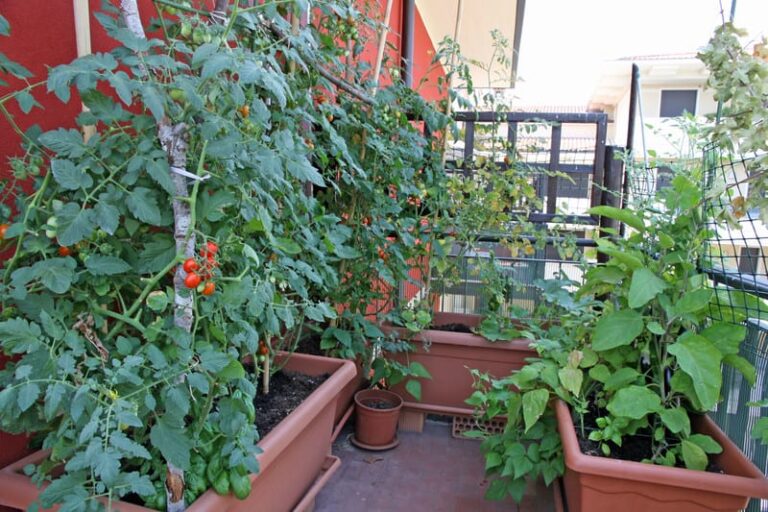
- Tomatoes
- Peppers
- Cucumbers
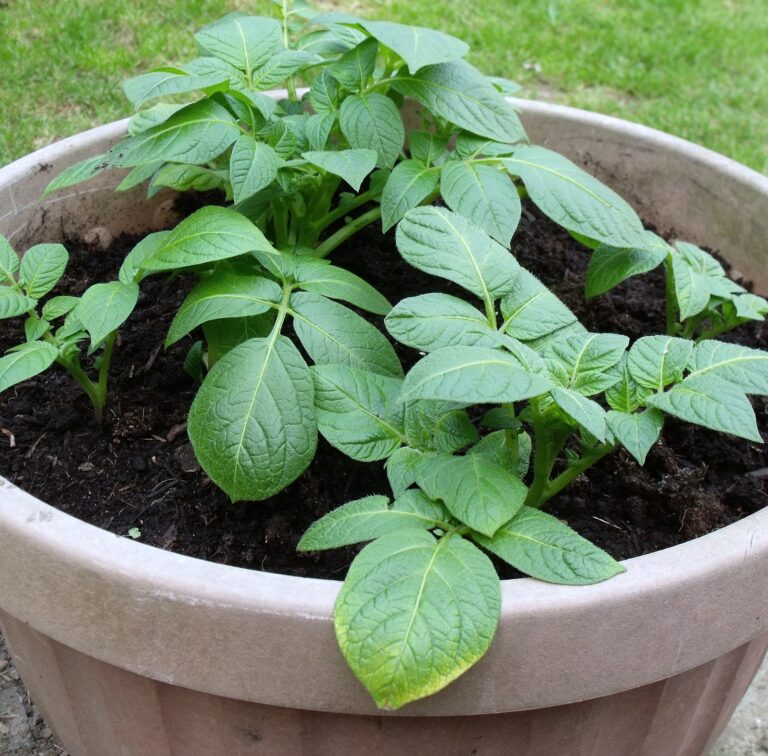
- Potatoes
👉 I use grow bags for most summer crops because they consistently produce stronger plants.
Tradeoff:
They dry out faster—follow a schedule in How Often to Water Container Vegetables.
2. Plastic Pots (Best for Low Maintenance)
Why they work:
- Hold moisture longer
- Durable and reusable
- Widely available
Best for:
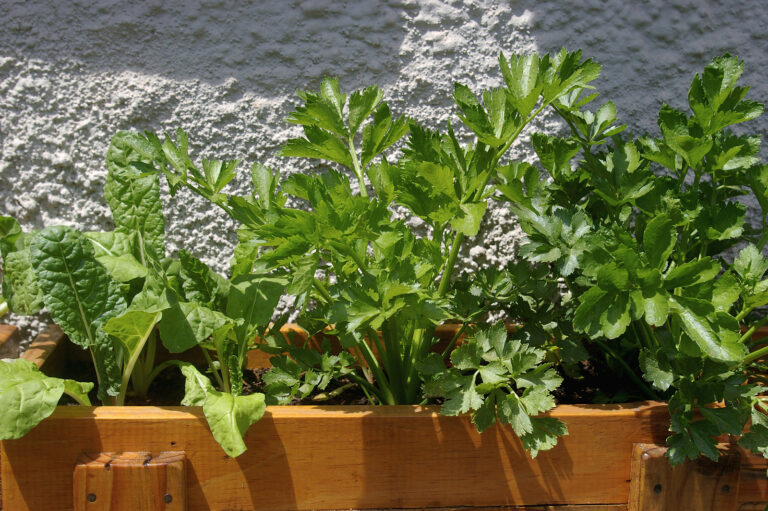
- Herbs
- Leafy greens
- Cool-season crops
👉 These are ideal if you can’t water daily.
3. Self-Watering Containers (Best for Beginners)
Why they work:
- Built-in water reservoir
- Reduces watering frequency
- Prevents moisture stress
Best for:
- Tomatoes
- Peppers
- Busy gardeners
4. Raised Planter Boxes (Best for Larger Setups)
Why they work:
- More soil volume
- Better root expansion
- Higher yields
5. Terracotta Pots (Use Sparingly)
Pros:
- Attractive
- Breathable
Cons:
- Dry out very quickly
- Often too small for vegetables
👉 Better for herbs than heavy-feeding crops.
Best Pot Sizes for Vegetables
General Guidelines
| Crop Type | Minimum Size | Ideal Size |
|---|---|---|
| Herbs | 1–3 gallons | 3–5 gallons |
| Leafy greens | 2–3 gallons | 5 gallons |
| Peppers | 3–5 gallons | 5–7 gallons |
| Tomatoes | 5 gallons | 10–20 gallons |
| Cucumbers | 5 gallons | 10 gallons |
| Potatoes | 7 gallons | 10–15 gallons |
👉 In my experience, going one size bigger always pays off in yield and plant health.
Drainage: The Make-or-Break Factor
No matter what pot you choose, drainage is critical.
What to Look For:
- Multiple drainage holes
- Fast water flow (no pooling)
- Well-draining soil
👉 Poor drainage leads to root rot and disease—especially in containers.
My Proven Container Setup
In my Sonoma Valley garden, I use:
- Grow bags (10–15 gallons) for tomatoes, peppers, and cucumbers
- Plastic pots for herbs and cool-season crops
- High-quality potting mix (see Best Potting Soil for Containers)
- Consistent watering routine (see How Often to Water Container Vegetables)
This setup produces reliable, high yields year after year.
Buyer’s Picks
Best Grow Bags
- VIVOSUN Grow Bags (5–10 Gallon, 5-Pack)
✔ Durable fabric
✔ Reinforced handles
✔ Ideal for most vegetables - AC Infinity Heavy Duty Fabric Pots
✔ Thicker material (longer lifespan)
✔ Excellent drainage
Best Plastic Pots
- Bloem Saturn Planter
✔ Good drainage
✔ Lightweight and durable - Gro Pro Nursery Pots (Bulk Set)
✔ Budget-friendly
✔ Great for scaling up
Best Self-Watering Containers
- EarthBox Garden Kit
✔ Built-in reservoir
✔ Consistent moisture
✔ Excellent for tomatoes and peppers
Common Mistakes to Avoid
1. Using Pots That Are Too Small
Small containers limit root growth and reduce yields.
2. Poor Drainage
Leads to:
- Root rot
- Fungus
- Weak plants
3. Inconsistent Watering
Causes:
- Blossom end rot
- Stunted growth
👉 Follow a routine in How Often to Water Container Vegetables.
4. Cheap Soil
Low-quality soil compacts and drains poorly.
👉 Always use Best Potting Soil Mix for Containers.
Frequently Asked Questions
What is the best pot for growing vegetables?
Fabric grow bags are the best overall for performance, while plastic pots are best for low maintenance.
What size pots do vegetables need?
Most vegetables need at least 5 gallons, but 10+ gallons produces better results.
Are grow bags better than plastic pots?
Yes for root health and drainage. No for water retention. The best choice depends on your watering habits.
👉 Learn more in Grow Bags vs Plastic Pots (Pros and Cons).
Do pots need drainage holes?
Absolutely. Without drainage, plants will fail.
What’s best for beginners?
- 5–10 gallon containers
- Good potting soil
- Consistent watering
Final Verdict
- Best overall: Grow bags
- Best low effort: Plastic pots
- Best consistency: Self-watering containers
👉 The key is matching the pot to your watering habits, climate, and crop.