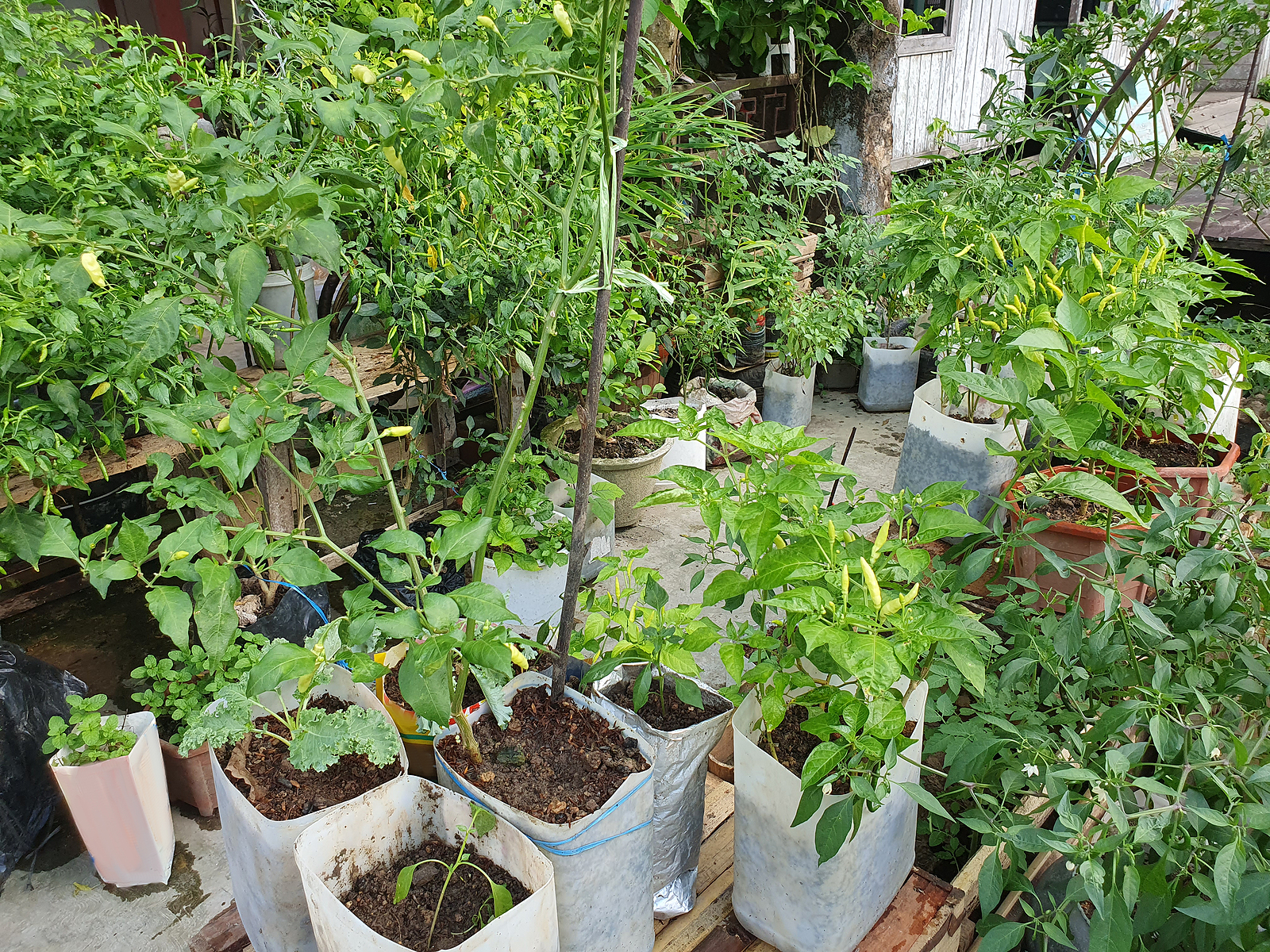
Best Fertilizer for Peppers in Containers (Feed for Bigger, Healthier Harvests)

Peppers are one of the most rewarding container crops you can grow—but only if they’re fed correctly.
If your pepper plants look healthy but produce few flowers, drop blossoms, or stay small, the problem is often simple:
👉 They’re not getting the right fertilizer at the right time.
In containers, peppers depend entirely on you for nutrients. Unlike garden beds, pots cannot hold fertilizer for long, and every watering slowly leaches nutrients away.
If you’re still setting up your plants, see How to Grow Peppers in Containers for Beginners (Step-by-Step for Strong, Productive Plants) for full growing guidance.
Why Peppers in Containers Need Special Fertilizing
Peppers are moderate to heavy feeders, especially once they begin flowering and producing fruit.
In containers, this becomes even more important because:
- Nutrients wash out with frequent watering
- Limited soil volume restricts nutrient reserves
- Fruit production demands extra energy
👉 Without consistent feeding, pepper plants often:
- grow slowly
- drop flowers
- produce small fruit
If you’re seeing yellowing leaves, see Why Are My Tomato Leaves Turning Yellow? (Causes and Fixes)—the same nutrient issues often apply to peppers.
The Best Fertilizer Strategy for Container Peppers
The most reliable approach is not a single fertilizer—but a feeding system:
✔ 1. Slow-release fertilizer at planting
✔ 2. Liquid fertilizer every 1–2 weeks
✔ 3. Higher potassium during flowering and fruiting
👉 This combination supports:
- steady early growth
- strong flowering
- larger, healthier peppers
If you want a broader feeding framework, see Best Fertilizers for Container Vegetables (Complete Guide for Healthy, High-Yield Plants).
What Nutrients Peppers Need Most
Understanding nutrients helps you avoid common mistakes:
🌱 Early Growth
- More nitrogen (N)
- Builds strong stems and leaves
🌼 Flowering Stage
- Balanced nutrients
- Supports flower formation
🌶️ Fruiting Stage
- Higher potassium (K)
- Improves fruit size and quality
👉 Too much nitrogen late in the season = lots of leaves, few peppers.
Types of Fertilizer That Work Best for Container Peppers
🌿 Slow-Release Fertilizer (Base Feeding)
Best for: long-term steady growth
- Mixed into potting soil at planting
- Feeds for weeks to months
- Reduces early nutrient stress
👉 Always start with a quality potting mix (see Best Potting Soil Mix for Container Vegetables).
💧 Liquid Fertilizer (Primary Feeding Tool)
Best for: weekly feeding and fast correction
- Fast nutrient uptake
- Easy to adjust strength
- Ideal for container growing
👉 Apply every 1–2 weeks during active growth.
If you’re unsure about watering frequency (which affects nutrient uptake), see How Often to Water Container Vegetables (A Simple Guide for Consistent Growth).
⚡ Water-Soluble Fertilizer (High Production)
Best for: maximum yield and fruiting support
- Fast-acting nutrients
- Strong response during flowering
- Ideal for heavy fruit production
👉 Use carefully to avoid overfeeding.
🌱 Organic Fertilizers (Steady + Soil Health)
Best for: long-term soil quality
- Fish emulsion
- Seaweed extract
- Compost-based liquid feeds
👉 Best used alongside a structured feeding plan (see Container Garden Fertilizer Schedule (When and How to Feed for Strong Growth)).
🛒 Best Fertilizers for Peppers in Containers (Top Picks)
If you want strong, productive pepper plants without guesswork, these fertilizers consistently perform well in container gardens.
🌿 Best Slow-Release Fertilizers
- Balanced nutrients for vegetables
- Gentle, long-lasting feeding
- Improves soil health over time
Osmocote Smart-Release Plant Food
- Feeds for months
- Very beginner-friendly
- Consistent nutrient release
👉 Best for: mixing into soil at planting
👉 Goal: strong foundation growth
💡 This step prevents early nutrient stress that limits future yields.
💧 Best Liquid Fertilizers
Neptune’s Harvest Fish & Seaweed Fertilizer
- Fast-acting and organic
- Excellent for recovery and steady growth
FoxFarm Grow Big Liquid Fertilizer
- Strong vegetative growth support
- Very effective early-season booster
👉 Best for: weekly feeding during growth and flowering
💡 If plants look pale or slow, liquid fertilizer is the fastest fix.
⚡ Best High-Yield Fertilizers
Jack’s Classic All-Purpose Water-Soluble Fertilizer
- Professional-level results
- Strong, consistent feeding
Miracle-Gro Water Soluble Plant Food
- Easy to use
- Fast results in containers
👉 Best for: maximum pepper production
💡 Use at reduced strength in containers to prevent overfeeding.
Simple Feeding Schedule for Container Peppers
At Planting:
- Mix in slow-release fertilizer
Early Growth:
- Feed every 1–2 weeks with balanced liquid fertilizer
Flowering Stage:
- Switch to higher potassium feeding
Fruiting Stage:
- Maintain weekly feeding for best yields
👉 This is when peppers need the most nutrition.
If plants stall after transplanting, see Transplant Shock: Why Your Plants Stall After Planting (And How to Prevent It).
Common Fertilizer Mistakes with Peppers
❌ Too much nitrogen
Leads to leafy plants but few peppers
❌ Inconsistent feeding
Causes flower drop and weak fruiting
❌ Poor soil mix
Limits nutrient uptake
👉 See Best Potting Soil Mix for Container Vegetables
❌ Ignoring watering
Dry soil blocks nutrient absorption
👉 See How Often to Water Container Vegetables
Signs Your Pepper Plants Need Fertilizer
Watch for:
- Slow or stunted growth
- Few flowers
- Small fruit size
- Yellowing lower leaves
👉 These are often feeding issues—not pests or disease.
My Proven Approach
After decades of growing peppers in raised beds and containers, I’ve found that peppers respond best to steady, moderate feeding—not heavy spikes of fertilizer.
My system:
- quality potting mix
- slow-release fertilizer at planting
- liquid feeding every 1–2 weeks
- increased potassium during fruiting
This approach consistently produces:
👉 stronger plants
👉 more flowers
👉 larger, better-quality peppers
Frequently Asked Questions
How often should I fertilize peppers in containers?
Every 1–2 weeks during growth, weekly during fruiting.
What is the best fertilizer for pepper fruiting?
Higher potassium fertilizers or balanced water-soluble formulas.
Can I use tomato fertilizer on peppers?
Yes—peppers respond very similarly to tomatoes.
Final Thoughts
👉 Healthy pepper plants are built on consistent feeding, not occasional fertilizing.
When you combine:
- slow-release nutrients
- regular liquid feeding
- proper watering
You’ll get:
- more flowers
- more fruit
- better harvests