Best Companion Plants for Kale (And What to Avoid)

Companion planting is a powerful way to boost your kale’s health, flavor, and yield by growing it alongside beneficial neighbors. With over three decades of gardening experience in both Iowa’s vegetable-rich soils and California’s Mediterranean climate, I’ve seen firsthand which plants thrive together—and which can cause problems.
Here’s a practical guide to the best companions for kale and what to avoid for a healthier, more productive garden.
Best Companion Plants for Kale
1. Alliums (Garlic, Onions, Chives)
Alliums emit sulfur compounds that repel common kale pests like aphids and cabbage worms. I always plant garlic around kale rows to reduce pest pressure naturally.
2. Herbs (Dill, Rosemary, Mint, Thyme)
Strong-smelling herbs confuse pests and attract beneficial insects. Dill and rosemary are especially effective in keeping cabbage moths away. Mint is a vigorous grower, so plant it in pots nearby to prevent invasion.
3. Marigolds
Marigolds repel nematodes and aphids while attracting pollinators. Their bright flowers also add beauty to your kale patch. I often plant French marigolds as a border around my vegetable beds.
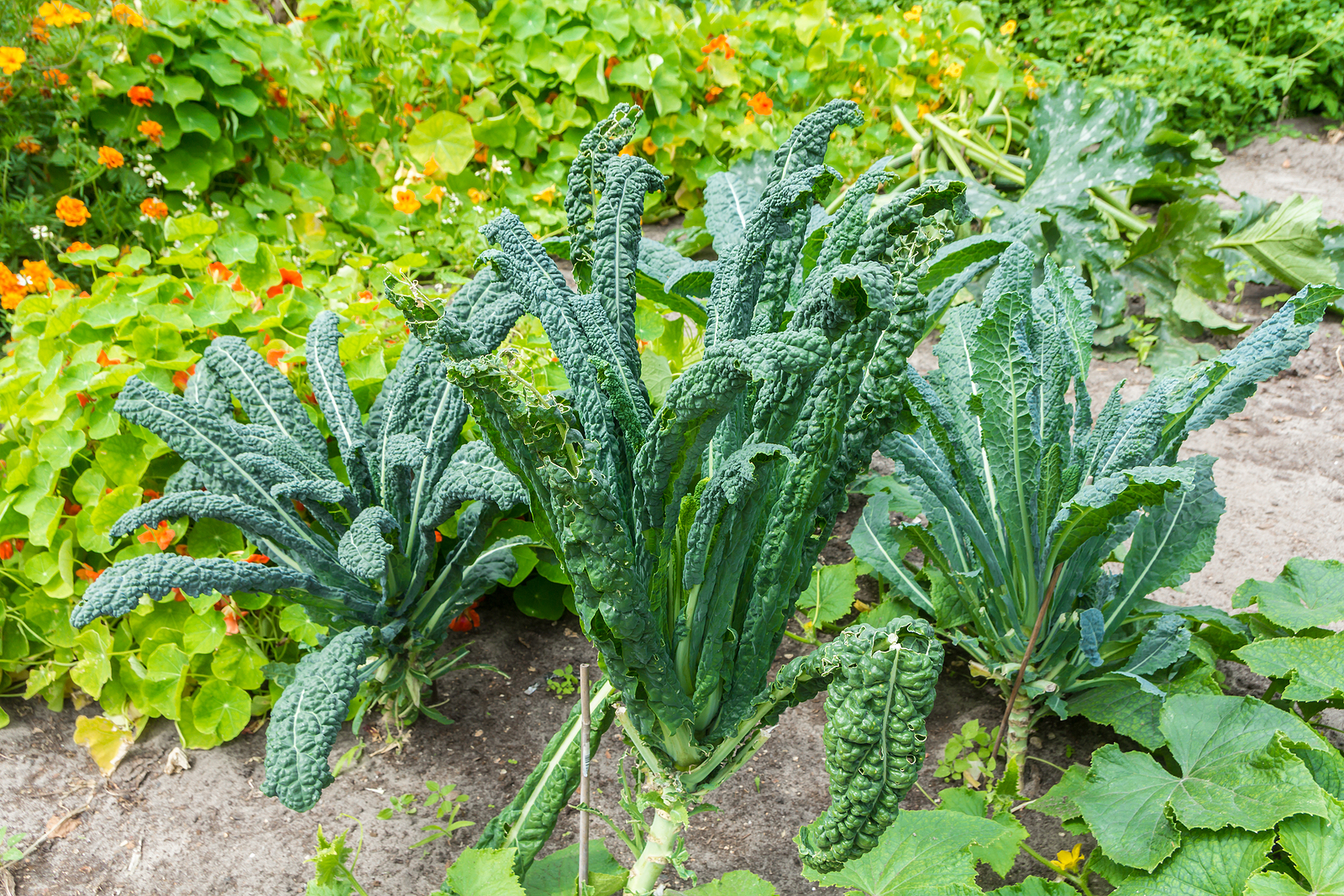
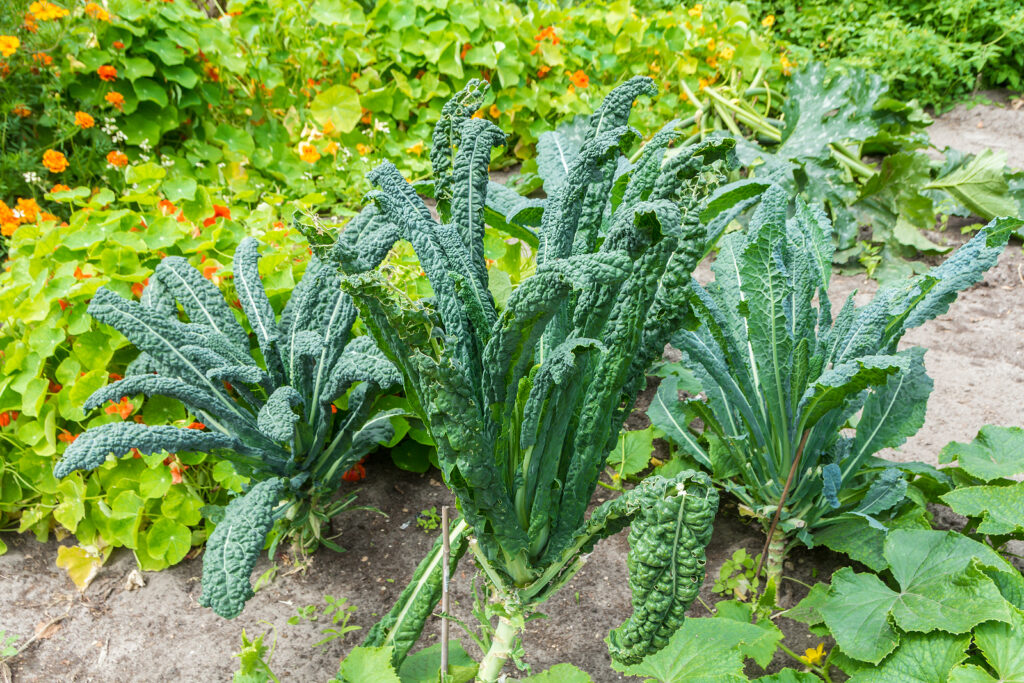
4. Nasturtiums
These vibrant flowers act as a trap crop, luring aphids away from kale. Plant nasturtiums near kale to protect leaves and provide edible flowers for your salads.
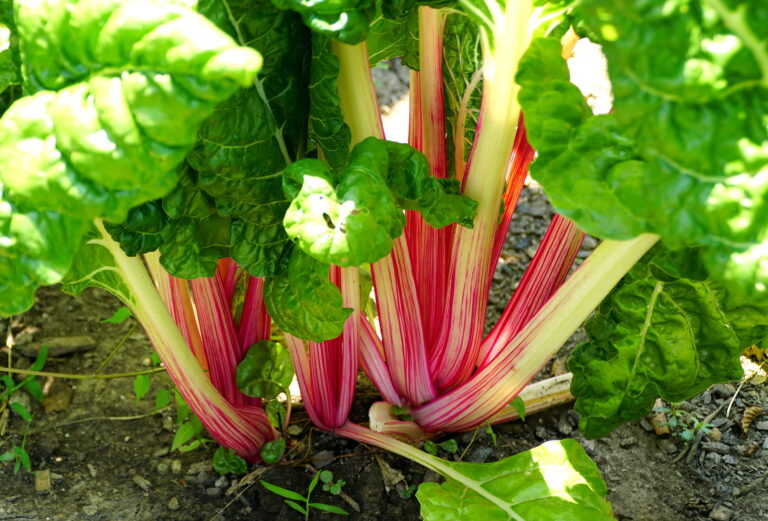
5. Beets and Swiss Chard
Root crops like beets and leafy chard don’t compete heavily with kale for nutrients and can share space well. I’ve found they help maximize garden productivity without crowding kale.
What to Avoid Planting Near Kale
1. Strawberries
Strawberries and kale compete for nutrients and can harbor pests like spider mites that affect kale.
2. Tomatoes
Tomatoes and kale can attract similar pests, increasing infestation risk. Plus, tomatoes may shade kale too much in small spaces.
3. Pole Beans and Peas
These legumes fix nitrogen but can attract pests that also like kale, such as aphids and beetles.
Insight: Lessons from My Gardens
When I first started planting kale in Iowa, I noticed pest issues until I introduced companion plants like garlic and marigolds. In California, where pest pressure differs, herbs like rosemary and thyme became essential in my kale beds. Using companion planting consistently reduces the need for chemical controls and improves overall plant vigor.
🥬 Kale Learning Hub
Start here: The Ultimate Kale Growing Guide: From Seed to Harvest
1. Types and Varieties of Kale
- Different Types of Kale Explained: Curly, Flat, Russian & Tuscan
- Best Kale Varieties for Different Climates
2. Planting and Timing
- Kale Seed Starting Tips
- When to Plant Kale for Fall, Winter, and Spring Harvests
- Succession Planting Kale for a Continuous Harvest
- How to Space and Thin Kale for Maximum Yield
- Zone-by-Zone Kale Planting Calendar
3. Seasonal Growing
- How to Grow Kale in Cold Climates and Overwinter Successfully
- Can You Grow Kale in Summer? Tips for Heat-Stressed Plants
4. Care and Maintenance
- How Much Water Does Kale Need? A Watering Guide
- How to Fertilize Kale for Lush Leaf Growth
- Best Companion Plants for Kale (And What to Avoid)
- How to Prune Kale for Continued Production
5. Container Gardening
6. Pests and Diseases
7. Harvest and Storage
- How to Harvest and Store Kale
- How and When to Harvest Kale Leaves for Best Flavor
- Tips for Extending Kale Harvest Through the Season
8. Kale in the Kitchen