About Cardoon: History, Botany, and How It Differs from Artichoke

Cardoon is one of those vegetables that feels both ancient and oddly modern—bold, architectural, and delicious once you learn how to handle it. I’ve grown cardoon for years in my Sonoma garden, mostly because I love its drama in the bed and its old-world heritage. If you’ve grown artichokes, cardoon will look familiar: they’re close cousins. But the way you grow them, cook them, and appreciate them is different. Here’s what to know.
Cardoon’s History: A Vegetable with Deep Mediterranean Roots
Cardoon (Cynara cardunculus) has been cultivated for more than 2,000 years. It originated in the Mediterranean Basin, where it still grows wild today. Ancient Greeks and Romans valued cardoon for its thick, edible leaf stalks and medicinal properties; they also used the plant ornamentally for its silver, deeply cut leaves.
Cardoon came to the New World with Spanish settlers and became part of the food traditions of North Africa, southern Europe, and parts of Italy and France. In some regions, especially in Italy, cardoon is still a winter-holiday staple.
In my California garden—with our mild winters and long growing season—cardoon thrives much the way it would near the Mediterranean: in full sun, in lean soil, and with just enough water to stay vigorous.
Botany of Cardoon: A Towering Thistle with Edible Stems
Botanically, cardoon is a perennial thistle in the Asteraceae family. It produces:
- A tall, dramatic rosette of deeply lobed, silvery-gray leaves
- Thick, ribbed leaf stalks (the edible part)
- Violet thistle-like flowers that pollinators adore
- A deep taproot that helps it withstand drought
Cardoon is naturally larger and more vigorous than the artichoke. In my raised beds, a single plant can easily dominate a 3-by-3-foot space by midsummer. It prefers well-drained soil and benefits from staking or tying midseason to keep its huge stalks upright.
How Cardoon Differs from Artichoke
Gardeners often confuse cardoon with globe artichoke because the two share a common ancestor. But their growth habits and uses differ in some important ways:
1. The Edible Parts
- Cardoon: You eat the leaf stalks, which must be blanched before harvest to mellow their bitterness.
- Artichoke: You eat the immature flower buds.
2. Growth Habit
Cardoon grows taller, leafier, and rangier. Artichoke is more compact and produces a clear flowering stalk.
Years of growing both in Sonoma have shown me that cardoon is the more robust and drought-tolerant of the two—almost too vigorous if you let it reseed.
3. Flavor and Culinary Use
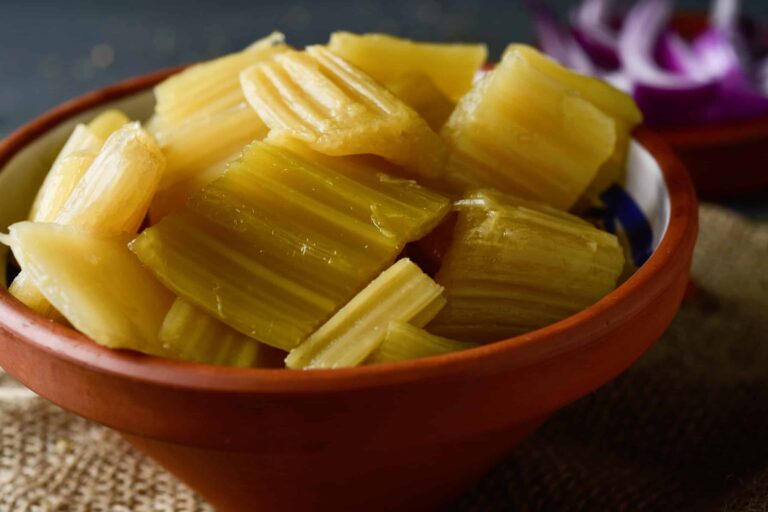
Cardoon tastes like a savory, herbal version of artichoke heart with a hint of celery. It takes well to braising, gratins, and stews—classic Mediterranean preparations.
4. Ease of Cultivation
Cardoon is tougher and more heat-tolerant. Artichokes are pickier, preferring cool, mild conditions for bud production.
My Experience Growing Cardoon
What keeps me growing cardoon year after year is its reliability. Even in a dry Sonoma summer, cardoon holds its structure and remains edible deep into the season. I blanch the leaf stalks by tying up bunches of leaves and wrapping them in cardboard or cloth for two to three weeks before harvest—an old Mediterranean technique that really does improve tenderness.
Cardoon also makes a terrific architectural plant in the garden. When blooming, it draws bees from all around the neighborhood.
Final Thoughts
Cardoon is a piece of living history that deserves more space in modern gardens. If you enjoy artichokes—or simply love bold, edible ornamentals—cardoon is worth growing. With a little preparation, the stems become a gourmet vegetable with a long culinary lineage.
Cardoon Learning Hub
Start here: How to Plant, Grow, and Harvest Cardoon: A Complete Guide
Introduction to Cardoon
- About Cardoon: History, Botany, and How It Differs from Artichoke
- The Best Cardoon Varieties to Grow: Flavor, Size, and Garden Performance
- Cardoon Quick Growing Tips: Fast Reference Guide for Planting to Harvest
Planting Cardoon
- The Best Location for Cardoon: Soil, Sun, and Garden Bed Preparation
- When to Plant Cardoon: Seasonal Timing for Spring and Fall Gardens
- How to Plant Cardoon Step-by-Step: Spacing, Depth, and Establishment Tips
- Cardoon Companion Plants: What to Grow (and Not Grow) Nearby
- Growing Cardoon in Containers: Best Pot Sizes, Soil Mixes, and Care Tips
Caring for Cardoon
- How to Water and Fertilize Cardoon for Strong, Flavorful Stalks
- Cardoon Care Guide: Seasonal Maintenance, Mulching, and Overwintering Tips
- Cardoon Pests and Diseases: How to Identify, Prevent, and Treat Common Problems
Harvesting, Storage, and Kitchen