How to Plant Cardoon Step-by-Step: Spacing, Depth, and Establishment Tips

Cardoon is one of the most dramatic vegetables you can add to the garden—bold, silver-leaved, and productive once you understand how to plant it properly. After years of growing cardoon in raised beds, mounded beds, and open garden rows, I’ve refined a simple step-by-step planting method that consistently produces strong, upright plants with thick, flavorful stalks.
Here is my practical guide to planting cardoon the right way from the start.
1. Start With Sturdy Seedlings
Cardoon grows best when transplanted rather than direct-sown.
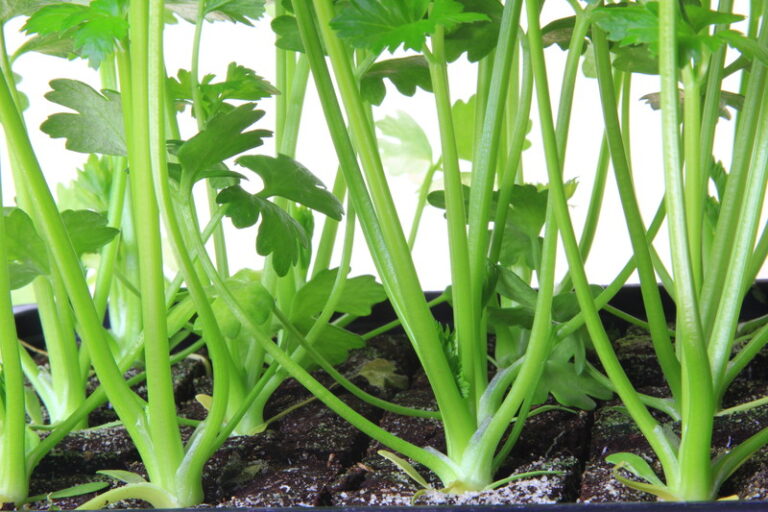
What I look for in seedlings:
Know What to Plant This Week
Every week I answer the gardener's most important question: what should I plant now? Get seasonal planting advice free — or go Pro for my full Soil Temperature Garden Report, with soil temperature, moisture, weather trends, and crop-by-crop recommendations.
- 8–12 inches tall
- A single strong main stem
- No signs of legginess
- Deep green leaves
Seedlings of this size transplant easily and establish quickly, giving you a long season of growth.
2. Prepare the Planting Spot
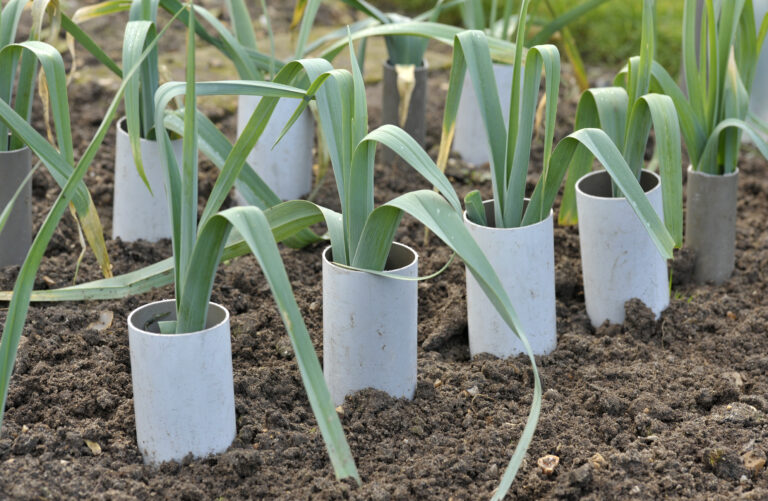
Cardoon needs room, drainage, and light.
Site preparation tips from experience:
- Choose full sun—cardoon loves strong light.
- Loosen soil 12–18 inches deep to accommodate the taproot.
- If your soil holds water, build a low mound or raised bed.
- Mix in compost for structure but avoid heavy fertilizing.
The better the drainage, the healthier the root crown will remain through the season.
3. Space the Plants Generously
Cardoon grows huge—often several feet tall and wide. Crowding leads to shading, leaning, and thin stalks.
Recommended spacing:
- 36–48 inches between plants
- 3–4 feet between rows
After experimenting with tighter spacing, I’ve found these wide intervals give the plant room to produce full-size stalks and make tying and blanching later much easier.
4. Dig the Planting Hole
Cardoon prefers to sit slightly deeper in the soil than it was in its pot.
How to dig the hole:
- Make the hole 2 inches deeper and twice as wide as the pot.
- Dust the bottom with compost if your soil is very lean.
- Ensure the base is firm so the plant won’t settle unevenly.
Planting slightly deeper helps anchor this large plant against wind and encourages a strong crown.
5. Transplant the Seedling
A smooth transplant sets the plant up for months of growth.
My step-by-step method:
- Remove the seedling with the root ball intact.
- Set it in the hole so the soil line sits 1–2 inches above the previous level.
- Backfill firmly but not tightly.
- Create a shallow basin around the plant for watering.
This depth encourages early stability without burying the crown.
6. Water Deeply and Consistently
Cardoon needs steady moisture early on to establish its taproot.
Watering guide:
- Water thoroughly at planting.
- Keep the soil consistently moist (not soggy) for the first 3–4 weeks.
- Once established, water deeply once a week during warm weather.
Consistent moisture early leads to thicker stalks and more upright leaves later in the season.
7. Provide Early Support (Optional but Helpful)
Because young cardoon can grow quickly, early support can help keep it upright.
What I do:
- Insert a stake behind the seedling at planting.
- Use soft ties if needed once the plant gains height.
This is especially helpful in windy areas or open garden beds.
8. Thin Surrounding Plants and Maintain Space
Cardoon grows outward aggressively.
Keep a clear radius by:
- Removing any quick-growing neighboring crops
- Clearing weeds early
- Maintaining airflow around the plant
Space and light early on lead to straighter, better-tasting stalks later.
9. Let the Plant Grow to Full Size Before Blanching
Cardoon needs height—usually 3–4 feet—before it is ready for tying and blanching.
Planting correctly ensures it reaches this size comfortably before the end of the season.
Final Thoughts
Planting cardoon is simple once you understand its needs: sturdy seedlings, wide spacing, good drainage, and steady early care. With this foundation, cardoon becomes a low-maintenance, high-impact vegetable that rewards you with tall, architectural growth and delicious stalks ready for blanching and winter cooking.
Cardoon Learning Hub
Start here: How to Plant, Grow, and Harvest Cardoon: A Complete Guide
Introduction to Cardoon
- About Cardoon: History, Botany, and How It Differs from Artichoke
- The Best Cardoon Varieties to Grow: Flavor, Size, and Garden Performance
- Cardoon Quick Growing Tips: Fast Reference Guide for Planting to Harvest
Planting Cardoon
- The Best Location for Cardoon: Soil, Sun, and Garden Bed Preparation
- When to Plant Cardoon: Seasonal Timing for Spring and Fall Gardens
- How to Plant Cardoon Step-by-Step: Spacing, Depth, and Establishment Tips
- Cardoon Companion Plants: What to Grow (and Not Grow) Nearby
- Growing Cardoon in Containers: Best Pot Sizes, Soil Mixes, and Care Tips
Caring for Cardoon
- How to Water and Fertilize Cardoon for Strong, Flavorful Stalks
- Cardoon Care Guide: Seasonal Maintenance, Mulching, and Overwintering Tips
- Cardoon Pests and Diseases: How to Identify, Prevent, and Treat Common Problems
Harvesting, Storage, and Kitchen