Cardoon Quick Growing Tips: Fast Reference Guide for Planting to Harvest

Cardoon is one of the most impressive cool-season vegetables I grow—big, architectural, and surprisingly productive once you understand its needs. After years of raising cardoon in my Sonoma beds, I’ve distilled the essentials into this quick reference guide. Use it as a fast, at-a-glance roadmap from planting to harvest.
Cardoon at a Glance
- Botanical name: Cynara cardunculus
- Family: Asteraceae (thistle family)
- Type: Tender perennial grown as an annual in cold regions
- Edible part: Blanched leaf stalks
- Best climate: Mild winters, cool springs, warm summers—similar to the Mediterranean
Where Cardoon Grows Best (My Sonoma Experience)
Cardoon thrives in full sun and well-drained soil. In my raised beds, leaner soil actually produces stronger plants. Space them widely—I allow at least 3 feet per plant, sometimes more, because cardoon will fill whatever space you give it.
- Full sun (6–8 hours minimum)
- Well-drained soil; avoid heavy clay
- Wide spacing for airflow and room to grow
- Benefits from light staking midseason
When to Plant
Timing is key, especially for gardeners outside mild-winter regions.
- Mild climates (like mine): Start seeds indoors in late winter; transplant in early spring. You can also sow outdoors in early spring.
- Cold climates: Start indoors 6–8 weeks before your last frost; transplant after danger of frost has passed.
Cardoon prefers cool weather early but needs a long warm season to size up.
Know What to Plant This Week
Every week I answer the gardener's most important question: what should I plant now? Get seasonal planting advice free — or go Pro for my full Soil Temperature Garden Report, with soil temperature, moisture, weather trends, and crop-by-crop recommendations.
How to Plant for Strong Growth
From years of trial and error, here’s what consistently works:
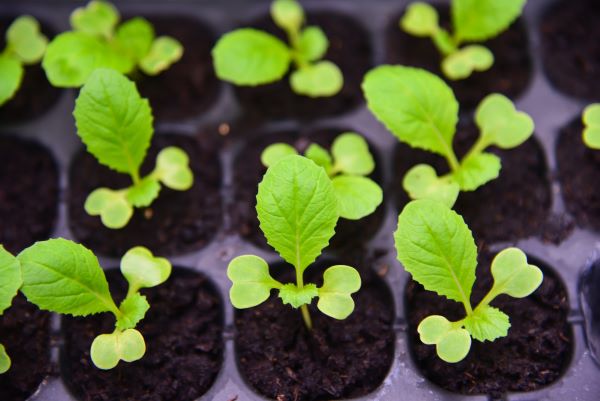
- Transplant sturdy seedlings 8–12 inches tall.
- Plant slightly deeper than the seedling was growing in its pot.
- Water deeply at planting, then keep evenly moist for the first month.
- Once established, cardoon becomes drought tolerant, but steady moisture improves stalk thickness.
Feeding and Watering
Cardoon doesn’t need rich soil. In fact, overfeeding can make the plant floppy.
- Add compost at planting, then minimal feeding.
- Water consistently through summer; deep weekly watering is ideal in hot regions like Sonoma.
Managing Size and Growth
These plants get huge. I’ve had cardoons reach 4–5 feet tall and nearly as wide.
- Tie outer leaves in midsummer to keep the plant upright.
- Stake if strong winds are common.
- Remove flower buds if you want thicker stalks; allow flowering if you want pollinator appeal.
Blanching: The Essential Step Before Harvest
Blanching is what turns cardoon from a bitter thistle into a gourmet vegetable.
Here’s my method:
- Tie the leaves together into upright bundles.
- Wrap them with cardboard, burlap, or heavy paper.
- Leave wrapped for 2–3 weeks.
- Harvest when the stalks turn pale and tender.
In my garden, I usually blanch in late fall for winter holiday cooking.
Harvesting
Once blanched, cut stalks at the base. Peel away stringy outer fibers before cooking. Stems can be eaten braised, in gratins, or added to stews.
Pests and Problems
Cardoon is remarkably trouble-free.
- Aphids occasionally appear but rarely cause damage.
- Snails may nibble young leaves.
- Crown rot can occur in poorly drained soil—plant high and avoid overwatering early.
End-of-Season Care
In mild climates like Sonoma, cardoon can overwinter and regrow for several years. Cut the plant back after flowering or after harvest, leaving the crown intact.
In cold climates, treat it as an annual or protect the crown with mulch.
Cardoon Learning Hub
Start here: How to Plant, Grow, and Harvest Cardoon: A Complete Guide
Introduction to Cardoon
- About Cardoon: History, Botany, and How It Differs from Artichoke
- The Best Cardoon Varieties to Grow: Flavor, Size, and Garden Performance
- Cardoon Quick Growing Tips: Fast Reference Guide for Planting to Harvest
Planting Cardoon
- The Best Location for Cardoon: Soil, Sun, and Garden Bed Preparation
- When to Plant Cardoon: Seasonal Timing for Spring and Fall Gardens
- How to Plant Cardoon Step-by-Step: Spacing, Depth, and Establishment Tips
- Cardoon Companion Plants: What to Grow (and Not Grow) Nearby
- Growing Cardoon in Containers: Best Pot Sizes, Soil Mixes, and Care Tips
Caring for Cardoon
- How to Water and Fertilize Cardoon for Strong, Flavorful Stalks
- Cardoon Care Guide: Seasonal Maintenance, Mulching, and Overwintering Tips
- Cardoon Pests and Diseases: How to Identify, Prevent, and Treat Common Problems
Harvesting, Storage, and Kitchen