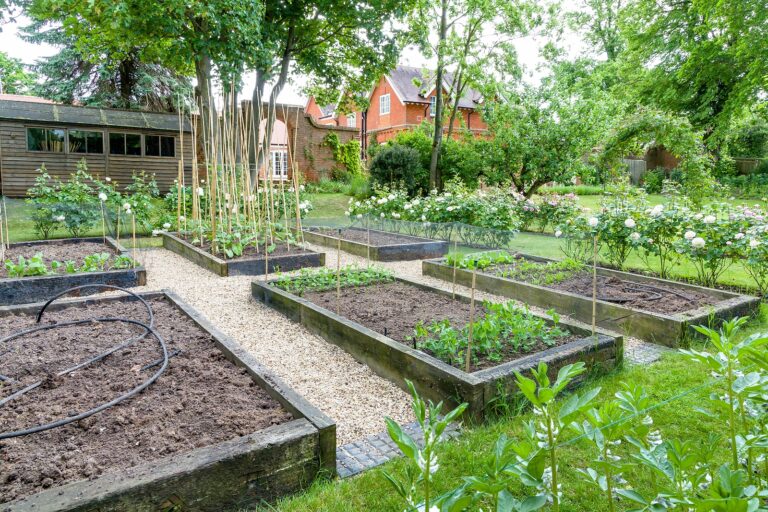
What to Do in the Vegetable Garden Each Month: July Through November

One of the secrets to a productive fall vegetable garden is understanding that autumn gardening begins long before the first cool day of fall.
Many gardeners wait until September to think about cool-season vegetables. By then, valuable growing time has already been lost. The most successful fall gardens are built gradually, beginning in midsummer while tomatoes, peppers, beans, and squash are still producing.
After gardening for more than four decades in Iowa, Massachusetts, Florida, and Northern California, I’ve learned that every month has its own priorities. July is for planning. August is for transition. September is for planting in earnest. October is for protecting and harvesting. November is for extending the season.
Rather than following fixed calendar dates, I use soil temperature, weather trends, and the natural progression of the season to guide my decisions. That’s the same approach I share each week in my Harvest to Table Soil Temperature Guide and the weekly Soil Temperature Garden Report on my Harvest to Table Substack newsletter.
Here’s a month-by-month guide to keeping your vegetable garden productive from midsummer through late fall.
July: Begin Planning for Fall
Although July often feels like the height of summer, it’s the month when successful fall gardens begin.
Warm-season vegetables are growing rapidly, but now is the time to prepare for what comes next.
July garden tasks
- Order seeds for fall vegetables.
- Review average first frost dates.
- Calculate planting dates by counting backward from frost.
- Clean and repair irrigation systems.
- Purchase compost and organic fertilizer.
- Check supplies of row covers and shade cloth.
- Begin monitoring soil temperature weekly.
Many gardeners overlook July planning, but a little preparation now makes fall planting much easier.
What to plant in July
In short-season climates, begin sowing or transplanting:
- Broccoli
- Cauliflower
- Cabbage
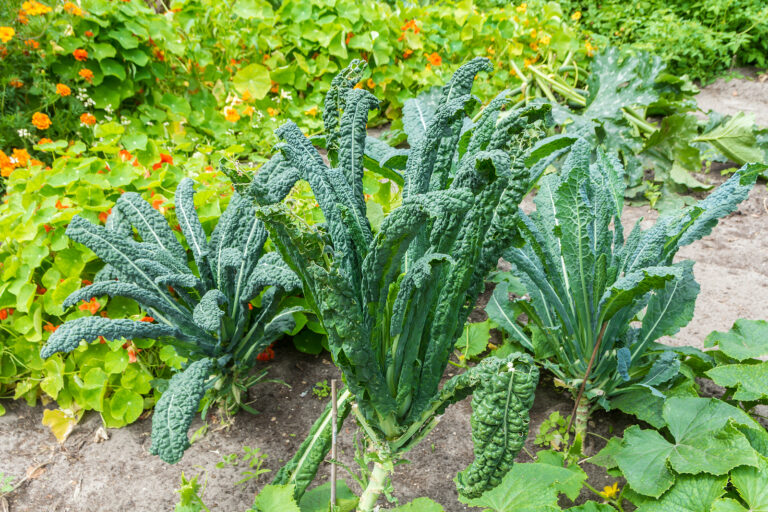
- Kale
Gardeners in warmer regions may wait until August.
August: Transition the Garden
August is often the busiest month in the fall gardening calendar.
Summer crops are still producing while cool-season vegetables begin taking their place.
August garden tasks
- Remove declining summer crops.
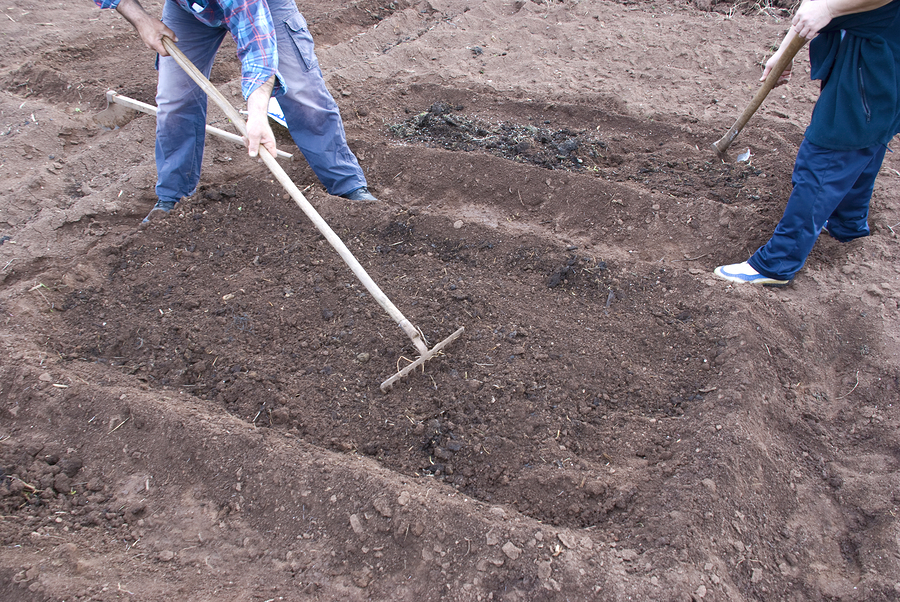
- Add compost to empty beds.
- Repair drip irrigation where needed.
- Begin relay planting between mature summer vegetables.
- Start succession sowings of quick crops.
- Continue monitoring soil temperature.
This is also the month when shade cloth becomes especially useful for protecting young seedlings from intense afternoon sun.
Plant during August
Depending on your region:
- Broccoli
- Cabbage
- Cauliflower
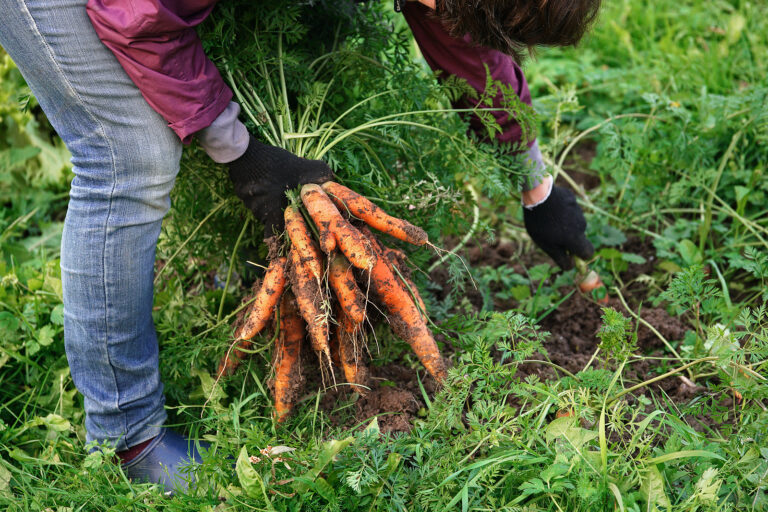
- Carrots
- Beets
- Kale
- Swiss chard
- Asian greens
Use your soil thermometer rather than the calendar whenever possible.
September: Peak Fall Planting
For many gardeners, September marks the heart of the fall planting season.
Cooling nights improve germination, while warm soil encourages rapid root development.
September garden tasks
- Sow leafy greens.
- Continue succession planting.
- Thin root crops.
- Apply mulch around established seedlings.
- Inspect regularly for cabbage worms and aphids.
- Reduce irrigation gradually as temperatures cool.
Excellent September crops
- Lettuce
- Spinach
- Arugula
- Mustard greens
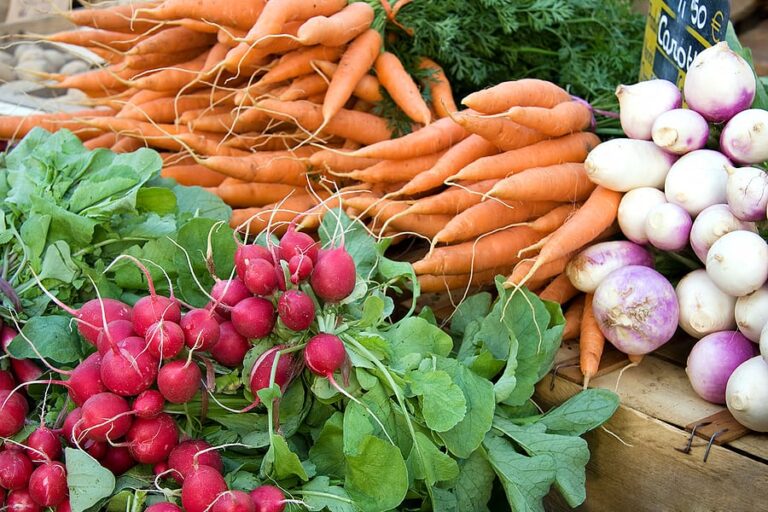
- Radishes
- Turnips
- Carrots
- Beets
- Bok choy
- Mizuna
This is often the most enjoyable planting month of the year.
October: Protect and Harvest
By October, many vegetables are growing rapidly.
Cool temperatures improve quality, and early frosts become possible in many regions.
October garden tasks
- Harvest broccoli regularly.
- Continue harvesting leafy greens.
- Watch weather forecasts closely.
- Install row covers when frost threatens.
- Side-dress long-season brassicas if needed.
- Remove spent summer crops completely.
Light frosts improve the flavor of many vegetables, including kale, carrots, Brussels sprouts, and spinach.
Continue planting
In mild climates, continue sowing:
- Spinach
- Lettuce
- Cilantro
- Radishes
- Asian greens
Garlic planting also begins in many regions.
November: Extend the Season
The pace of the garden slows, but harvests often continue.
With simple protection, many vegetables remain productive for weeks.
November garden tasks
- Harvest root crops as needed.
- Plant garlic and overwintering onions.
- Apply mulch around hardy vegetables.
- Install low tunnels or cold frames if desired.
- Continue harvesting spinach and kale.
- Record notes for next year’s garden.
This is an excellent month to improve soil by adding compost to empty beds.
Continue harvesting
Many crops remain productive:
- Kale
- Spinach
- Carrots
- Beets
- Brussels sprouts
- Leeks
- Parsnips
- Collards
In many mild-winter regions, the vegetable season continues well into winter.
Let Soil Temperature Guide Every Month
Although this calendar provides a general seasonal framework, soil temperature remains the most reliable guide for planting.
Rather than asking, “What month is it?” ask:
- Has the soil cooled enough?
- Are nighttime temperatures dropping?
- Is germination likely to be successful?
These questions produce far better planting decisions than relying on dates alone.
That’s why I encourage gardeners to monitor soil temperatures throughout the season and why each week’s Soil Temperature Garden Report focuses on current growing conditions instead of generic planting calendars.
Build a Monthly Garden Routine
A consistent monthly routine helps prevent important jobs from being overlooked.
Each month:
- Measure soil temperature.
- Check soil moisture.
- Review weather forecasts.
- Inspect for pests.
- Harvest regularly.
- Add compost where needed.
- Record observations.
These simple habits make seasonal gardening more predictable and far more productive.
Keep a Garden Journal
Every garden develops its own rhythm.
One of the most valuable tools I’ve developed over the years is a simple garden journal.
Each month I record:
- Soil temperatures
- Rainfall
- First planting dates
- Harvest dates
- First frost
- Crop performance
- Successful varieties
Those notes have become far more valuable than any printed planting calendar because they’re based on my own garden.
A Month-by-Month Approach Leads to Better Harvests
Successful fall gardening isn’t one event—it’s a season-long process.
Planning in July, transitioning in August, planting through September, protecting crops in October, and extending harvests into November keeps the garden productive for months.
When you combine these monthly tasks with regular soil temperature monitoring, careful observation, and timely planting, you’ll harvest fresh vegetables long after many gardens have been put to bed for the winter.
That’s the approach I follow in my own garden each year, and it’s the same seasonal strategy I share through the Harvest to Table Soil Temperature Guide and the weekly Soil Temperature Garden Report. By letting the changing conditions in your garden—not just the calendar—guide your decisions, you’ll become a more confident gardener and enjoy healthier plants and more abundant harvests.
Monthly Fall Garden Checklist
July
- Plan your fall garden.
- Order seeds.
- Begin monitoring soil temperature.
August
- Transition beds.
- Add compost.
- Begin planting cool-season crops.
September
- Plant leafy greens and root crops.
- Mulch.
- Continue succession sowing.
October
- Harvest frequently.
- Protect crops from frost.
- Plant garlic in appropriate regions.
November
- Extend the season with row covers or cold frames.
- Harvest hardy vegetables.
- Improve soil and record notes for next season.
By approaching the garden one month at a time—and letting soil temperature and seasonal changes guide your work—you’ll enjoy one of the longest, most productive vegetable-growing seasons of the year.
This article is part of my fall gardening series—see The Complete Guide to Fall Vegetable Gardening: Planning, Planting, Growing, and Harvesting for the full seasonal framework.
Further Reading
- The Best Vegetables to Grow in a Fall Garden
Start here to choose the right crops. - When to Plant Fall Vegetables: Soil Temperature, First Frost Dates, and Nature’s Signals
Learn how to determine the ideal planting time using three reliable seasonal indicators. - The Harvest to Table Soil Temperature Guide for Fall Vegetables
Learn which soil temperatures signal it’s time to plant each crop. - Fall Vegetable Planting Calendar by USDA Zone
Translate soil temperatures into planting dates for your region. - How to Transition Your Vegetable Garden from Summer to Fall
Prepare beds, remove spent crops, and get the garden ready. - How to Successfully Start Fall Vegetables During Summer Heat
Overcome the biggest challenge of fall gardening—getting seeds and transplants established in hot weather. - The Best Fall Vegetable Varieties for Reliable Harvests
Choose varieties that mature quickly and tolerate cooler weather. - How to Care for Fall Vegetable Crops
Keep plants growing through autumn with proper watering, feeding, and frost protection. - When and How to Harvest Fall Vegetables
Know when crops reach peak flavor and quality. - What to Do in the Vegetable Garden Each Month: July Through November
Use this month-by-month guide as your seasonal checklist from planting through harvest.