How to Grow Herbs Through a Heat Wave: Keep Basil, Parsley, Cilantro, and More Thriving

Fresh herbs are among the easiest and most rewarding crops to grow, but they’re not all equally suited to scorching summer weather. Some herbs, like basil and rosemary, thrive in the heat. Others, including cilantro and dill, quickly bolt when temperatures climb.
Understanding how different herbs respond to high temperatures is the key to keeping your herb garden productive through the hottest weeks of summer.
I’ve grown culinary herbs for decades in California’s dry summers as well as in the humid heat of Florida and the shorter growing seasons of Iowa and Massachusetts. One lesson has remained constant: herbs rarely fail because of heat alone. They struggle when heat combines with dry soil, intense afternoon sun, and poor timing. With a few simple adjustments, you can continue harvesting fresh herbs even during extended heat waves.
Here’s how to help your herb garden survive—and flourish—when temperatures soar.
Which Herbs Love Hot Weather?
Some herbs actually grow better as temperatures rise.
These heat-loving herbs include:
- Basil
- Rosemary
- Thyme
- Oregano
- Sage
- Lavender
- Marjoram
These Mediterranean herbs evolved in sunny, dry climates and generally tolerate temperatures well into the 90s with proper watering.
Basil, however, appreciates more moisture than woody herbs like rosemary or thyme.
Which Herbs Struggle in Heat?
Cool-season herbs are much less tolerant of summer heat.
These include:
- Cilantro
- Dill
- Chervil
- Parsley
- Chives
- Lemon balm
When temperatures remain above 85°F, many of these herbs begin preparing to flower and produce seed rather than new leaves.
This natural process is called bolting.
What Happens During a Heat Wave?
As temperatures climb above 95°F, herbs respond differently depending on the species.
You may notice:
- Slower growth
- Afternoon wilting
- Smaller leaves
- Stronger flavors
- Flower stalks developing
- Reduced leaf production
The plants are conserving water and energy until conditions improve.
Most recover quickly if they remain healthy.
Water Deeply and Early
Consistent watering is the most important step during hot weather.
Water herbs:
- Early in the morning
- Deeply enough to moisten the root zone
- Before the soil becomes completely dry
Container-grown herbs usually require watering more frequently than herbs growing in garden beds.
Avoid watering lightly several times each day, which encourages shallow root systems.
Mulch Around Herbs
Mulch keeps roots cooler and reduces evaporation.
Apply 1 to 2 inches of:
- Compost
- Straw
- Shredded leaves
- Fine bark
Mulch is especially helpful for basil and parsley, which prefer evenly moist soil.
Woody herbs like rosemary and thyme benefit from mulch as well, but avoid piling it directly against the stems.
Give Tender Herbs Afternoon Shade
Not every herb needs full sun all day during a heat wave.
Cool-season herbs often benefit from:
- Morning sunshine
- Light afternoon shade
Temporary shade cloth or the filtered shade of taller vegetables can reduce stress and delay bolting.
Basil also benefits from protection during prolonged periods above 100°F.
Harvest Frequently
Regular harvesting encourages fresh growth.
Pinch or cut stems often, especially on:
- Basil
- Oregano
- Thyme
- Mint
- Marjoram
Frequent harvesting delays flowering and keeps plants compact.
Always harvest with clean scissors or pruners, removing no more than one-third of the plant at a time.
Remove Flower Buds
For herbs grown primarily for their leaves, flowering signals the plant to slow leaf production.
Pinch off flower buds as soon as they appear on:
- Basil
- Mint
- Oregano
- Thyme
- Marjoram
Allow flowers to remain only if you want seeds or wish to attract pollinators.
Understand Basil’s Special Needs
Basil loves warmth but dislikes drought.
During triple-digit heat:
- Water consistently.
- Mulch generously.
- Harvest often.
- Remove flower spikes promptly.
- Provide afternoon shade if temperatures remain above 100°F.
Healthy basil often continues producing throughout summer with proper care.
Don’t Fight Cilantro
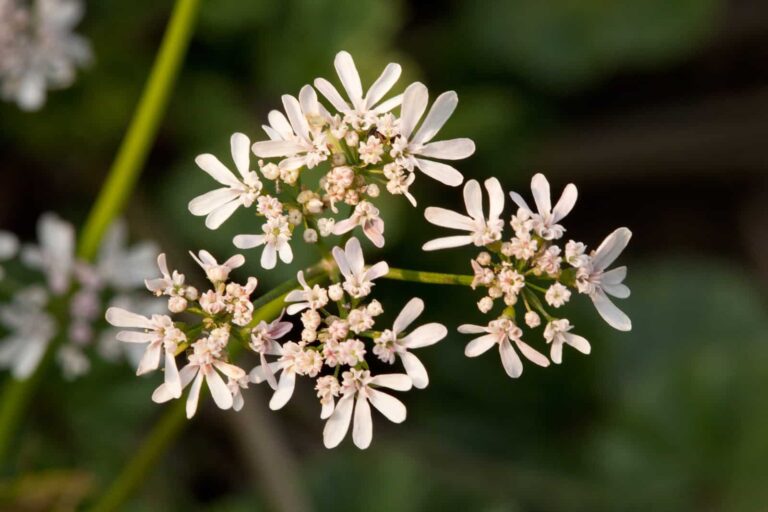
Cilantro is naturally a cool-season herb.
Even with excellent care, it usually bolts once temperatures consistently exceed 80°F.
Instead of trying to prevent flowering indefinitely:
- Harvest heavily in spring.
- Sow new seeds every few weeks.
- Replant in late summer for fall harvest.
Succession planting produces far better results than trying to preserve aging plants.
Herbs in Containers Need Extra Attention
Containers heat much faster than garden soil.
During extreme heat:
- Check moisture daily.
- Water whenever the top inch of soil becomes dry.
- Move containers where they receive afternoon shade.
- Group pots together to reduce heat exposure.
Large containers hold moisture much longer than small pots.
Avoid Heavy Fertilizing
Herbs generally need modest nutrition.
During a heat wave:
- Skip heavy fertilizer applications.
- Maintain even watering.
- Add compost only if needed.
Too much nitrogen encourages lush, tender growth that wilts more quickly during hot weather.
Best Herbs for Hot Summer Gardens
If you garden where summers are consistently hot, prioritize herbs that naturally tolerate heat.
Excellent choices include:
- Basil
- Rosemary
- Thyme
- Oregano
- Sage
- Lavender
- Greek oregano
- Lemon verbena
These herbs often become more aromatic as temperatures increase.
Frequently Asked Questions
Can basil survive 100°F?
Yes. Basil tolerates high temperatures well if the soil remains consistently moist and plants receive some afternoon protection during prolonged heat waves.
Why does cilantro bolt so quickly?
Cilantro is a cool-season herb. Long days and temperatures above about 80°F naturally trigger flowering and seed production.
Should I shade herbs during a heat wave?
Heat-loving herbs usually need little protection, but basil, parsley, and cool-season herbs often benefit from afternoon shade when temperatures exceed 95°F.
Which herbs grow best in extreme heat?
Rosemary, thyme, oregano, sage, lavender, and basil are among the best herbs for hot summer gardens.
The Bottom Line
Herbs don’t all respond to summer heat in the same way. Over many years of growing culinary herbs in a variety of climates, I’ve found that the most successful gardeners work with each herb’s natural growth cycle instead of expecting every plant to perform the same throughout the season.
Mediterranean herbs like rosemary, thyme, oregano, and sage often thrive in hot, sunny weather. Basil can also flourish with regular watering and frequent harvesting. Cool-season herbs such as cilantro, dill, and chervil are different—they’re best grown before the hottest weather arrives and again as temperatures cool in late summer.
By choosing the right herbs for the season, watering deeply, mulching generously, harvesting often, and providing afternoon shade when necessary, you can enjoy a productive herb garden and fresh flavors from spring until frost—even through the hottest days of summer.
Want the complete heat-wave playbook? For step-by-step guidance before, during, and after a heat wave—including watering, shading, mulching, recovery, and crop-specific advice—see The Complete Guide to Growing Vegetables in Extreme Summer Heat.