How to Keep Lettuce from Bolting in Summer: Proven Ways to Extend Your Harvest

Every lettuce gardener eventually faces the same disappointment.
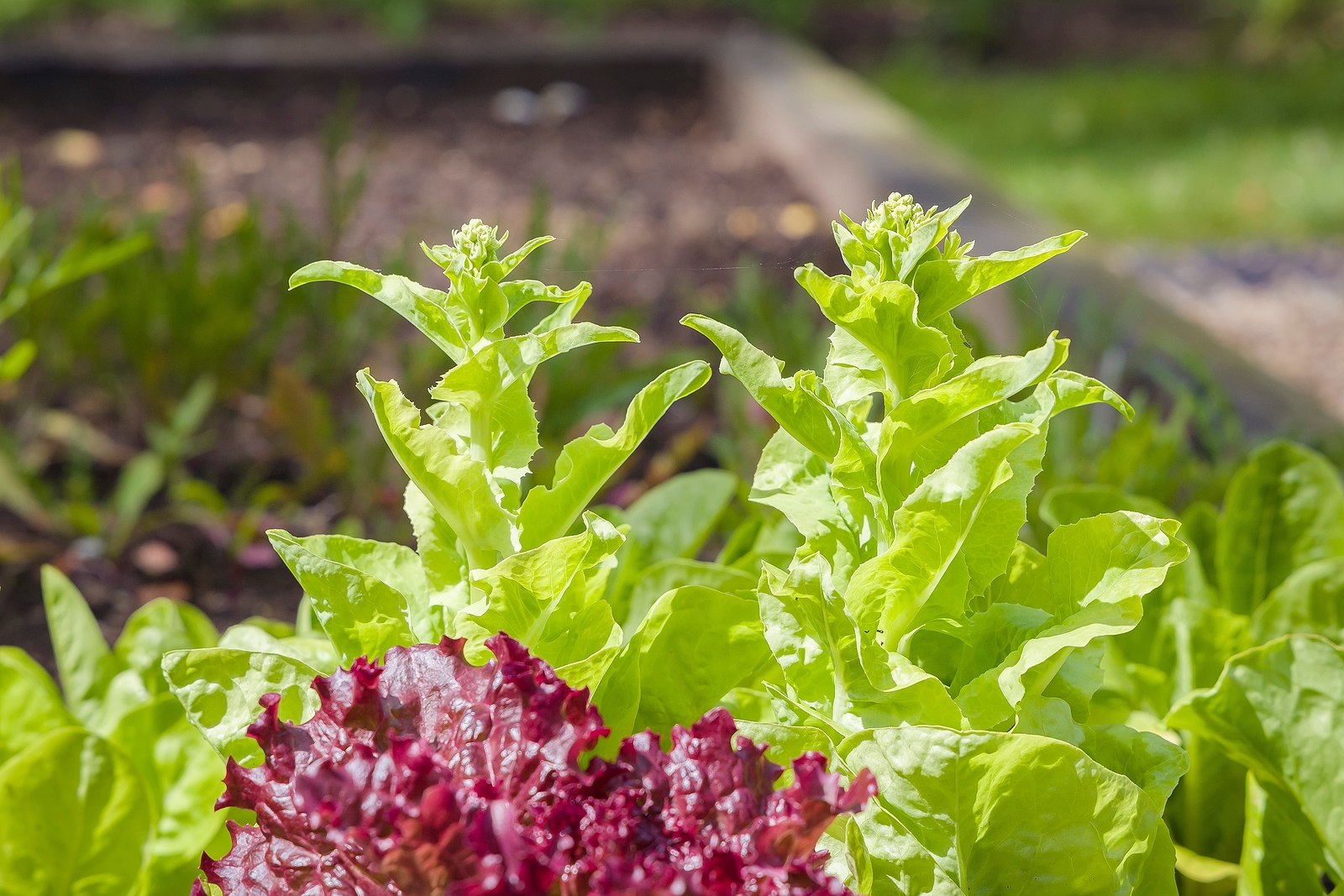
One day your lettuce is crisp, tender, and ready for salads. A few days later, the center of the plant begins stretching upward, leaves become bitter, and a flower stalk suddenly appears.
Your lettuce has bolted.
Bolting is one of the most common challenges of growing lettuce in summer. Fortunately, it isn’t simply a matter of bad luck. With the right growing techniques, you can significantly delay bolting and continue harvesting fresh lettuce long after temperatures begin to rise.
I’ve grown lettuce in California’s long growing season, as well as in Iowa, Massachusetts, and Florida. Each climate presented different challenges, but one lesson remained constant: lettuce bolts because it receives signals that its growing season is ending. By reducing those signals, gardeners can enjoy productive harvests well into summer.
Here’s how to keep lettuce growing instead of flowering.
What Is Bolting?
Bolting is the process by which a leafy vegetable stops producing edible leaves and begins producing flowers and seeds.
For lettuce, bolting means:
- The center stem elongates rapidly.
- Leaves become smaller.
- Flavor turns bitter.
- Texture becomes tougher.
- New leaf production slows.
Once bolting begins, it cannot be reversed.
The goal is to delay it as long as possible.
Why Lettuce Bolts
Lettuce evolved as a cool-season plant.
As temperatures increase and days become longer, the plant senses that warm weather is arriving.
Instead of producing leaves indefinitely, it shifts its energy toward reproduction.
Several factors encourage bolting:
- Temperatures above 75°F
- Long summer days
- Dry soil
- Heat stress
- Root disturbance
- Plant maturity
Usually, several of these conditions occur together.
Temperature Matters More Than You Think
Lettuce grows best between:
- Daytime: 60°F to 70°F (16°C to 21°C)
- Nighttime: 45°F to 60°F (7°C to 16°C)
When daytime temperatures regularly exceed 75°F, bolting becomes much more likely.
Temperatures above 85°F often trigger rapid flowering, especially during long days.
Warm nights speed the process even further.
Grow Heat-Tolerant Lettuce Varieties
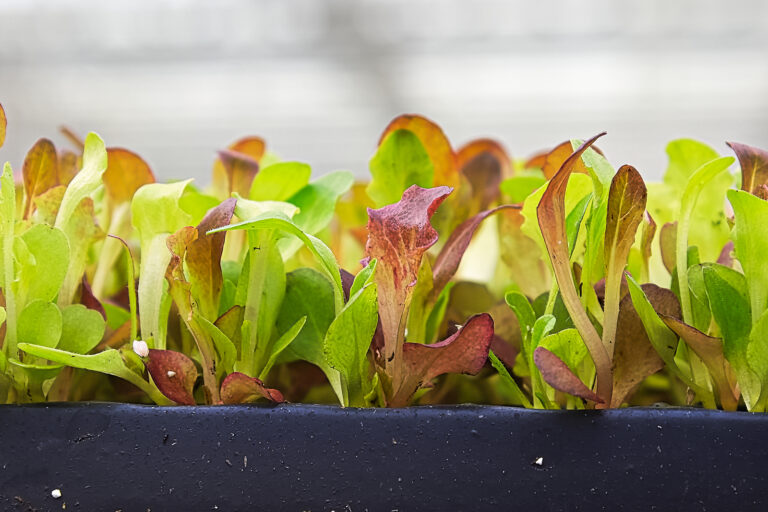
Some lettuce varieties naturally resist bolting longer than others.
Reliable summer performers include:
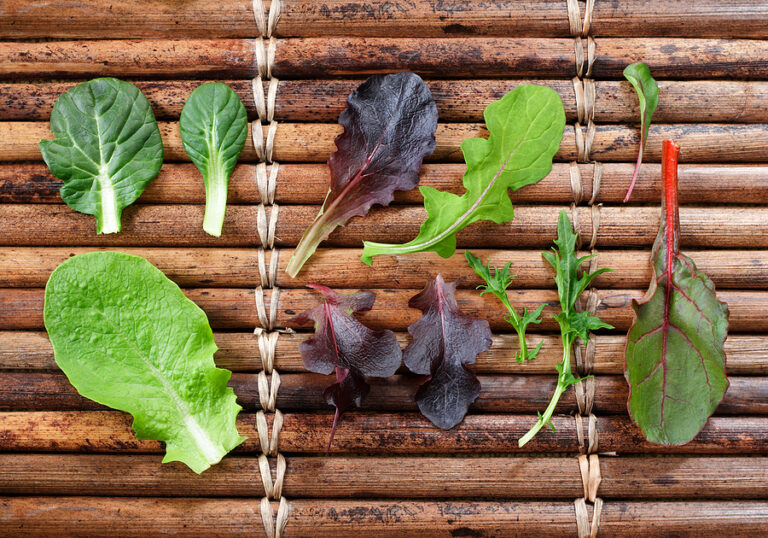
Romaine
- Jericho
- Parris Island Cos
- Sparx
Leaf lettuce
- Nevada
- Red Sails
- Black Seeded Simpson
Butterhead
- Buttercrunch
- Adriana
These varieties continue producing quality leaves longer than many traditional spring lettuces.
Plant Where Lettuce Gets Afternoon Shade
Morning sunshine encourages strong growth.
Hot afternoon sun speeds bolting.
Whenever possible, grow lettuce where it receives:
- Full morning sun
- Light afternoon shade
Good locations include:
- East side of taller crops
- North side of trellised beans
- Beneath shade cloth
- Along fences receiving filtered afternoon light
Reducing afternoon leaf temperature can extend harvests by several weeks.
Use Shade Cloth During Heat Waves
One of the easiest ways to delay bolting is temporary shade.
Shade cloth that blocks 30 to 40 percent of sunlight:
- Lowers leaf temperature
- Slows water loss
- Reduces heat stress
- Delays flowering
Unlike tomatoes or peppers, lettuce actually benefits from reduced sunlight during summer.
Keep Soil Moist
Dry soil accelerates bolting.
Lettuce has shallow roots that quickly experience moisture stress.
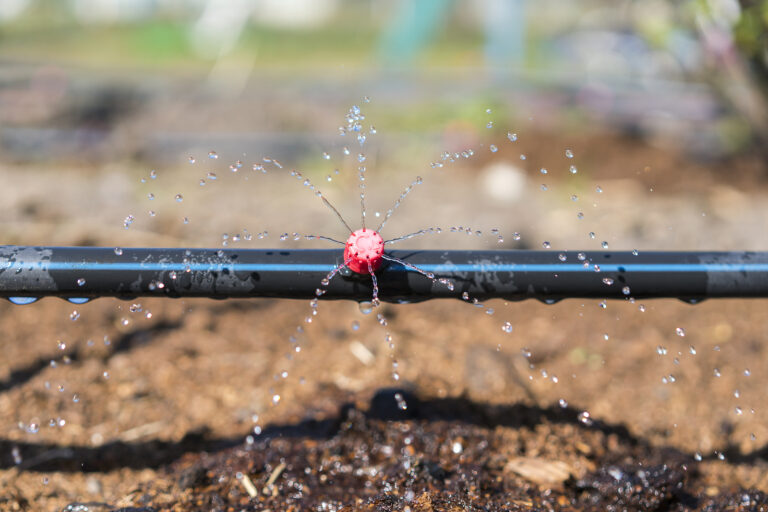
Water consistently enough to keep the root zone evenly moist.
Avoid allowing the soil to alternate between:
- Very dry
- Saturated
Steady moisture produces sweeter, more tender leaves.
Mulch Around Plants
Mulch keeps the soil cooler throughout the day.
Apply 1 to 2 inches of:
- Compost
- Straw
- Shredded leaves
- Fine bark
Mulch helps:
- Reduce evaporation
- Moderate soil temperatures
- Suppress weeds
- Protect shallow roots
Cool soil delays the plant’s transition to flowering.
Harvest Often
Frequent harvesting encourages continued leaf production.
Instead of removing the entire plant, harvest outer leaves regularly.
This method:
- Extends harvests
- Keeps plants productive
- Delays maturity
- Reduces waste
Whole-head harvests should occur before plants show signs of stem elongation.
Succession Plant Every Two Weeks
Rather than planting one large crop, sow small amounts of lettuce every two to three weeks.
Succession planting ensures:
- Continuous harvests
- Younger plants during hot weather
- Less risk of losing the entire crop
Even if one planting bolts, another is ready behind it.
Don’t Overfertilize
Excess fertilizer does not prevent bolting.
Too much nitrogen often produces lush growth that becomes stressed quickly during hot weather.
Instead:
- Build fertile soil with compost.
- Fertilize lightly if needed.
- Focus on consistent watering.
Healthy plants tolerate summer conditions better.
Know When to Harvest
Watch for early signs of bolting:
- Center leaves growing taller
- Stem thickening
- Leaves becoming narrow
- Bitter taste
Harvest immediately once these symptoms appear.
Waiting only a few more days often results in poor-quality lettuce.
Can Bolted Lettuce Be Eaten?
Yes.
Young bolted lettuce is usually safe to eat.
However:
- Leaves become bitter.
- Texture becomes tougher.
- Flavor declines rapidly.
Many gardeners compost bolting plants and replace them with new seedlings.
Frequently Asked Questions
At what temperature does lettuce bolt?
Bolting often begins when daytime temperatures consistently exceed 75°F, especially during long summer days and warm nights.
Can shade cloth prevent bolting?
Shade cloth cannot stop bolting completely, but it can significantly delay flowering by lowering leaf temperatures.
Should I cut off the flower stalk?
No. Once bolting begins, removing the flower stalk does not return the plant to leafy growth.
Which lettuce grows best in summer?
Heat-tolerant romaine, loose-leaf, and butterhead varieties generally perform better than crisphead types during warm weather.
The Bottom Line
Lettuce may be a cool-season crop, but that doesn’t mean your harvest has to end when summer begins. Over years of growing lettuce in a range of climates, I’ve found that success comes from working with the plant’s natural preferences rather than fighting them. Cooler roots, steady moisture, and protection from intense afternoon sun can make a remarkable difference.
If you choose slow-bolting varieties, provide afternoon shade, mulch generously, water consistently, and sow new crops every few weeks, you can continue harvesting crisp, flavorful lettuce well beyond the traditional spring season.
A little planning and a few simple adjustments will reward you with fresh salads for much more of the summer than most gardeners think possible.
Want the complete heat-wave playbook? For step-by-step guidance before, during, and after a heat wave—including watering, shading, mulching, recovery, and crop-specific advice—see The Complete Guide to Growing Vegetables in Extreme Summer Heat.