
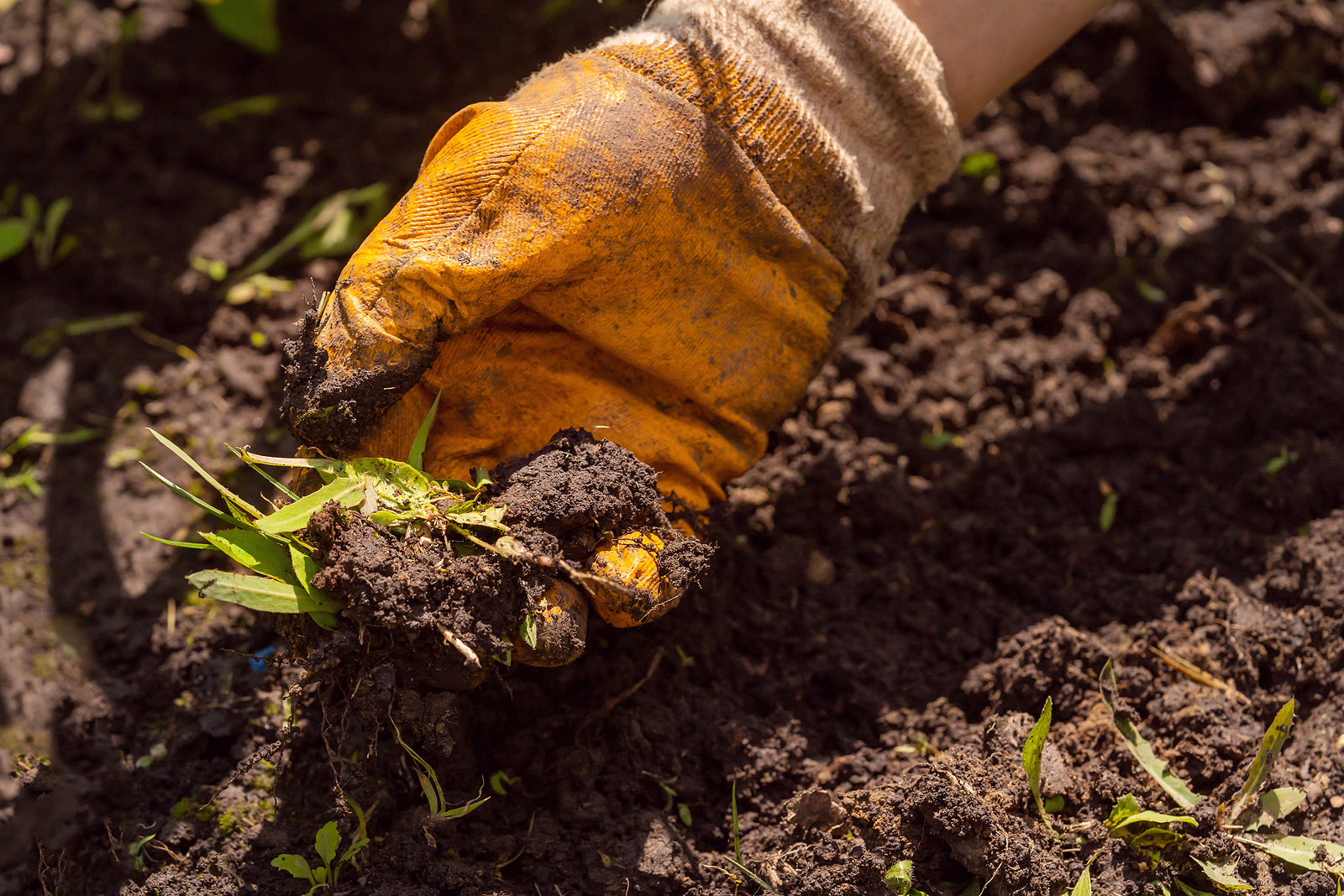
Soil Action Calendar: What Your Garden Soil Needs Each Season

Healthy soil changes with the seasons. The best gardeners don’t treat soil as static—they adjust watering, feeding, mulching, and planting based on soil temperature and biological activity throughout the year.
In my Sonoma Valley garden, I watch soil temperature closely because it tells me when roots wake up, microbes become active, seeds germinate reliably, and warm-season crops finally begin to thrive. Over decades of gardening, I’ve learned that successful gardens are built from the soil upward.
Here’s a practical season-by-season soil action guide you can follow through the year.
Winter Soil Action (December–January)
Soil Temperature: Below 40°F
Cold soil slows microbial activity and root growth. This is the quiet rebuilding season.
Soil Actions
- Protect bare soil with mulch or cover crops
- Add compost to empty beds
- Avoid walking on wet soil to prevent compaction
- Improve drainage in low or soggy areas
- Collect leaves for future compost or mulch
Goal
Protect soil structure and preserve biological life through winter.
My Experience
In winter, I focus less on feeding plants and more on protecting the soil itself. Beds left exposed to winter rain compact quickly and lose structure by spring.
Late Winter Soil Action (February)
Soil Temperature: 40–45°F
The soil slowly begins waking up. Cool-season crops can start germinating.
Soil Actions
- Begin checking soil moisture regularly
- Add aged compost to planting beds
- Prepare narrow planting beds and pathways
- Test irrigation systems before spring planting
- Start direct sowing hardy crops if soil is workable
Goal
Prepare soil for early root development and spring planting.
Early Spring Soil Action (March)
Soil Temperature: 45–50°F
Microbial activity increases and cool-season vegetables begin growing steadily.
Soil Actions
- Lightly cultivate only if needed
- Side-dress heavy feeders with compost
- Monitor drainage after spring rains
- Begin succession sowing lettuce, spinach, carrots, and peas
- Keep soil evenly moist, not saturated
Goal
Support steady root growth and early biological activity.
My Experience
This is when I begin checking soil temperature almost daily. Once soil consistently reaches the upper 40s, spring crops accelerate noticeably.
Mid-Spring Soil Action (April)
Soil Temperature: 50–60°F
Soil biology becomes highly active and warm-season planting approaches.
Soil Actions
- Check soil at 3–4 inches for warmth and moisture
- Maintain consistent moisture at depth—not just the surface
- Add aged compost to support biological activity
- Begin planning irrigation layout
- Mulch pathways to conserve moisture
Goal
Create soil conditions that support rapid spring growth.
My Experience
By late April, soil can warm quickly during heat spells but still cool sharply at night. I wait for consistent soil warmth before planting heat-loving crops.
Late Spring Soil Action (May)
Soil Temperature: 60–70°F
Warm-season crops root rapidly in consistently warm soil.
Soil Actions
- Apply mulch around tomatoes, peppers, squash, and cucumbers
- Deep-water to encourage deeper rooting
- Avoid frequent shallow watering
- Feed heavy feeders with compost or balanced organic fertilizer
- Monitor beds daily for drying soil
Goal
Maintain steady moisture and fuel rapid summer growth.
Summer Soil Action (June–August)
Soil Temperature: 70°F and Above
Hot soil dries quickly and biological stress increases.
Soil Actions
- Mulch exposed soil heavily
- Water deeply and consistently
- Monitor containers and raised beds daily
- Add compost tea or light feeding if plants slow
- Shade sensitive crops during extreme heat
Goal
Prevent moisture stress and protect soil biology from overheating.
My Experience
In raised beds, summer soil temperatures can climb fast. Thick mulch becomes essential for keeping roots cool and reducing watering frequency.
Early Fall Soil Action (September)
Soil Temperature: 65–75°F
Warm soil and cooling air create excellent growing conditions.
Soil Actions
- Replenish beds with compost after summer crops
- Direct sow fall vegetables
- Continue deep watering during warm spells
- Remove diseased plant debris
- Refresh mulch where needed
Goal
Take advantage of warm soil for fast fall establishment.
Mid-Fall Soil Action (October)
Soil Temperature: 50–65°F
Cooling soil slows warm-season crops but favors cool-season roots.
Soil Actions
- Plant garlic and overwintering onions
- Sow cover crops in empty beds
- Reduce irrigation frequency as temperatures cool
- Add shredded leaves as mulch
- Continue composting garden debris
Goal
Build soil organic matter before winter.
Late Fall Soil Action (November)
Soil Temperature: 40–50°F
Biological activity slows again as winter approaches.
Soil Actions
- Clean up spent crops
- Protect exposed beds with mulch
- Top beds with compost for winter breakdown
- Drain or winterize irrigation systems if needed
- Avoid leaving soil bare
Goal
Enter winter with protected, biologically active soil.
Final Thought
Healthy gardens begin underground. Soil temperature tells you when to plant, when to feed, when to mulch, and when to protect. If you learn to read the soil through the seasons, your garden becomes far more productive and resilient.

