The Main Tenets of No-Dig and No-Till Gardening and Farming

Why Minimizing Soil Disturbance Leads to Healthier Plants, Better Yields, and More Resilient Gardens
No-dig and no-till gardening are simple, soil-first practices that prioritize natural processes over mechanical disturbance. Instead of turning, tilling, or inverting soil layers, these methods protect the intricate biological systems underground—systems that plants rely on for nutrient flow, structure, and long-term fertility. For home gardeners and farmers alike, adopting no-dig or no-till principles can dramatically improve soil health, reduce labor, and create more productive growing spaces season after season.
Main Tenets of No-Dig and No-Till Gardening
1. Minimize Soil Disturbance
The core principle: leave the soil structure intact.
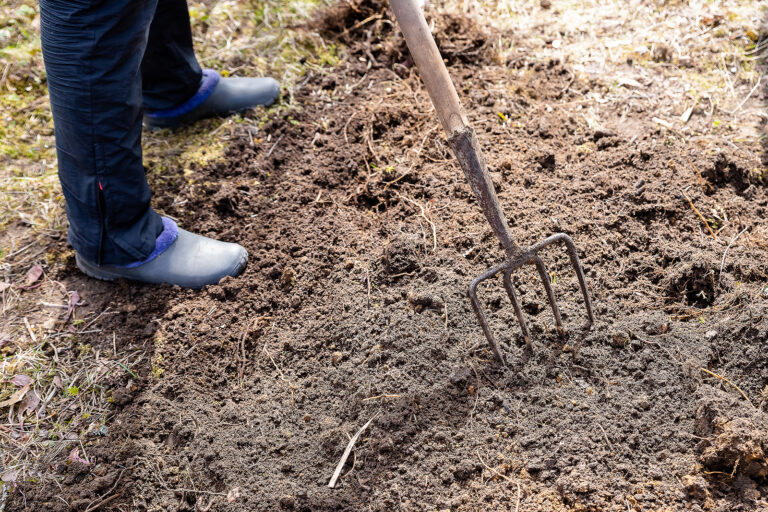
Tilling breaks up fungal networks, destroys soil aggregates, and disrupts microbial life.
No-dig/no-till systems protect:
- Mycorrhizal fungi
- Earthworm channels
- Soil aggregates
- Carbon stores
- Water-holding pores
Healthy soil biology is allowed to function as nature intended.
Know What to Plant This Week
Every week I answer the gardener's most important question: what should I plant now? Get seasonal planting advice free — or go Pro for my full Soil Temperature Garden Report, with soil temperature, moisture, weather trends, and crop-by-crop recommendations.
2. Keep Soil Covered at All Times
Bare soil is vulnerable soil.
No-dig systems use:
- Mulch (compost, leaves, straw, wood chips)
- Living plants
- Cover crops
This protects soil from erosion, compaction, UV sterilization, and nutrient loss while feeding microbes year-round.
3. Feed the Soil From Above
In nature, organic matter falls from the top—leaves, stems, roots.
No-dig mimics this by adding materials on the surface, such as:
- Compost
- Leaf mold
- Straw
- Mulched prunings
Soil life pulls this material downward, building fertility without human digging.
4. Maintain Continuous Root Presence
Roots keep soil biology active.
No-dig systems emphasize:
- Succession planting
- Cover crops
- Perennials where possible
Constant root activity supports microbes, stabilizes structure, and improves nutrient cycling.
5. Avoid Chemical Inputs That Harm Soil Life
Synthetic fertilizers, pesticides, fungicides, and herbicides reduce microbial diversity and disrupt fungal networks.
No-dig gardeners focus on:
- Compost
- Natural amendments
- Biological controls
- Mulch
The goal: nourish the soil food web, not bypass it.
6. Use Mulch and Compost as Your Primary Tools
Mulch suppresses weeds and protects soil; compost feeds the system.
Applied regularly, these materials:
- Build humus
- Improve water retention
- Add nutrients
- Encourage earthworms and fungi
Mulch + compost = the engine of no-dig fertility.
Why Gardeners Should Care
1. Healthier Soil = Healthier Plants
Undisturbed soil biology supports stronger, more resilient plants with better nutrient access and deeper roots.
2. Less Work, More Yield
No digging, less weeding, improved moisture retention, fewer inputs—yet yields remain high or increase over time.
3. Reduced Weeds Over Time
Tilling brings buried seeds to the surface; no-dig leaves them buried and dormant.
4. Better Water Management
Soil rich in organic matter holds more water during drought and drains better in storms.
5. Increased Carbon Storage
No-till methods help store carbon underground, reducing atmospheric carbon and supporting climate resilience.
6. Supports Soil Life and Biodiversity
Earthworms, fungi, bacteria, beetles, and microarthropods thrive in undisturbed soil.
More life = more fertility.
7. Works With Nature, Not Against It
No-dig honors natural soil processes instead of trying to override them with machinery or effort.
Conclusion
No-dig and no-till gardening are not just techniques—they’re a philosophy. By respecting soil structure and biology, gardeners cultivate systems that become more fertile, balanced, and resilient each year. Whether you’re working in a backyard, market garden, or small farm, these methods lead to healthier plants, fewer weeds, and a garden that largely takes care of itself.