Storing Vegetables for Winter Use

When harvest time comes for each crop in your vegetable garden, the best specimens are best used right away–send them straight to the table. Good specimens that you can’t use fresh, store for later use. Crops that are damaged should still be picked and sent to the compost pile.
Harvest varies from crop to crop and also with your taste. You may prefer some vegetables young, small, and succulent; others you may prefer harvested mature.
Many root crops can be stored in the ground in all but the coldest of regions. Lift these vegetables, as you need them. Root crops can also be stored in a cool but frost-free dark place. Be sure to clean root crops before storing them in sand or sterilized soil.
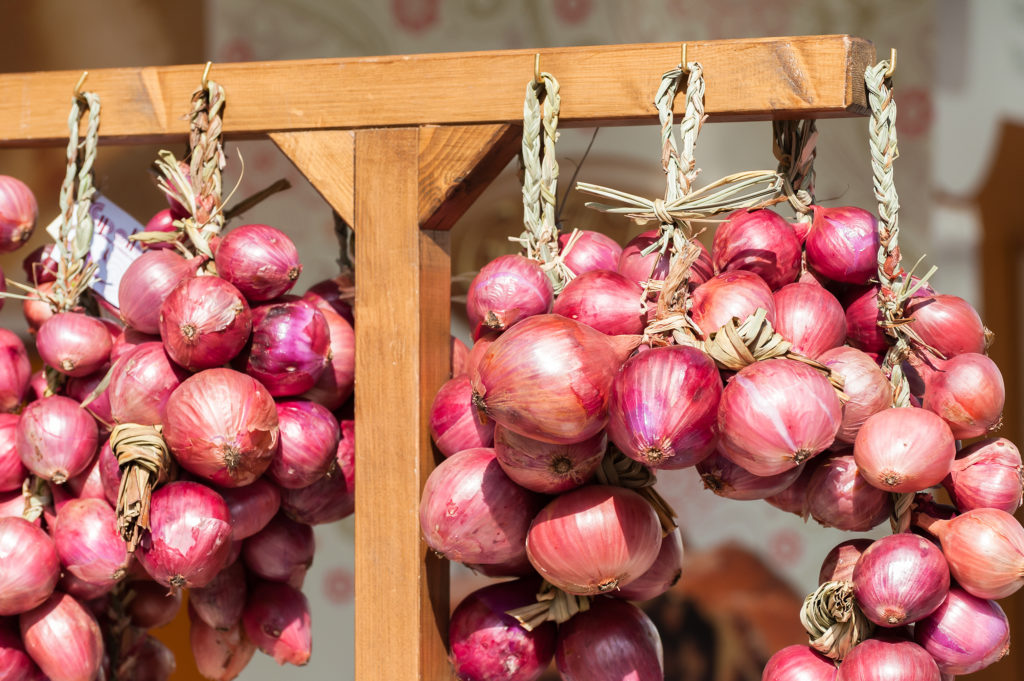
Fruit crops can be stored on shelves or in boxes. When storing, make sure these crops do not touch; stored too tightly, touching crops can begin to rot. Onions and garlic can be kept in open sacks or tied by a string. Cabbage will keep in nets for two or three months. Brussels sprouts and turnips are best left in the garden until you need them.
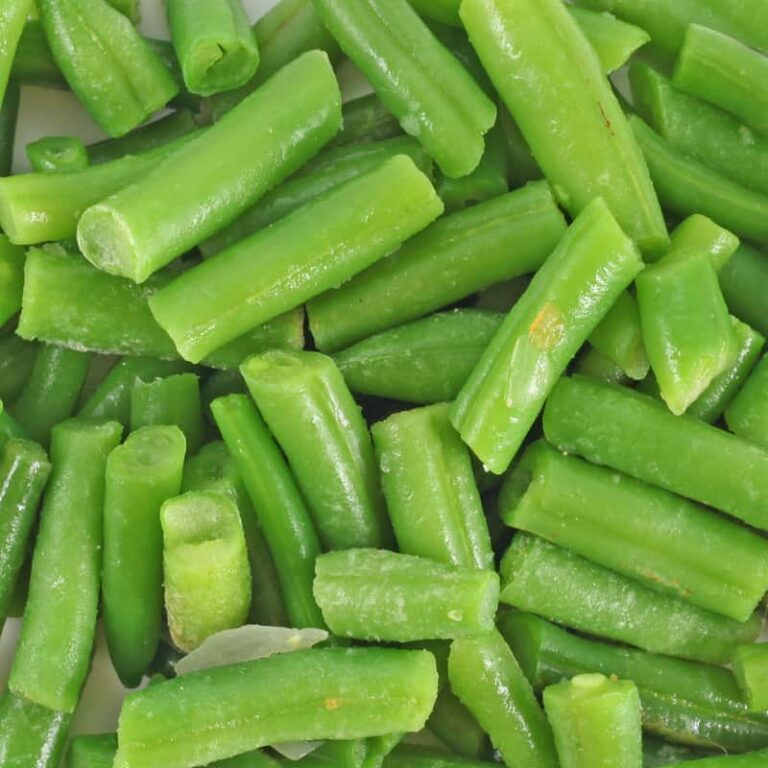
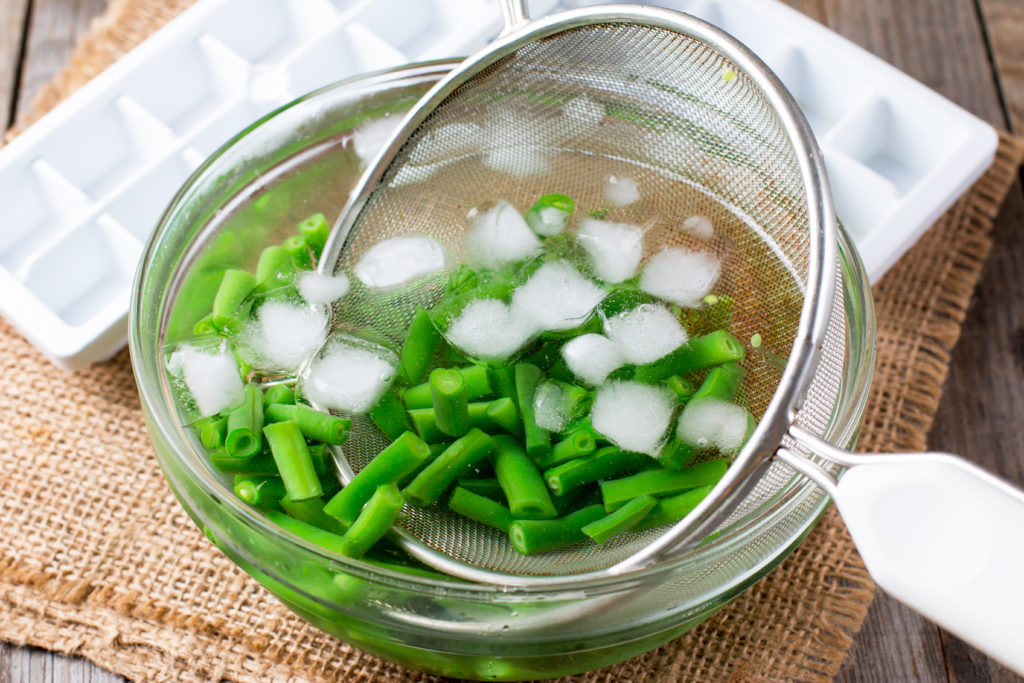
Vegetables for freezing should be blanched or cooked before freezing.
Natural storage techniques
Natural storage is a simple method of preserving food for winter use. Natural storage means storing fresh, raw vegetables under natural conditions that halt the ripening and decay process. It does include canning, drying, or freezing which can alter the nature of the vegetable. Natural storage slows down enzyme activity which leads to overripening, reduces the loss of moisture, and prevents the development of bacteria and fungi decay
Natural storage requires the control of temperature, humidity, ventilation, and light levels in the storage area.
Temperature
Most vegetables keep best when stored between 32° and 40°F. If vegetables begin to sprout, the temperature is too warm. Vegetables that should be stored at warmer temperatures–50° to 60°F, include pumpkins, sweet potatoes, and winter squash.
Humidity
Most vegetables need high humidity to store well, 85 to 95 percent. Crops stored outdoors in mounds or in the ground will have proper humidity supplied by the moisture in the soil. Monitor the humidity when storing vegetables indoors. Use a standard wet and dry bulb-type hygrometer to monitor humidity indoors. You can raise the humidity by setting pans of water on the floor of the storage area. Garlic, onions, sweet potatoes, and winter squash must be stored dry (60 to 70 percent humidity) to avoid decay.
Ventilation
Air movement is important in the storage area to keep mold from developing. Some vegetables require more ventilation than others. Store in slatted crates or open boxes Brussels sprouts, cabbage, cauliflower, celery, endive, leeks, potatoes, pumpkins, squash, and sweet potatoes. Store in mesh bags garlic and onions.
Light
Store vegetables in the dark. Light can cause potatoes and onions to sprout.
Natural storage environments
There are four basic natural storage environments: (1) cool and moist, (2) cool and dry, (3) warm and moist, and (4) warm and dry. Here are crops to store in each environment; the length of storage is shown in parentheses.
Cool (32°-40°F) and moist (80-95% humidity)
Acorn squash(1.5 mos.); Beets (2-5 mos.); Broccoli (2 mos.); Cabbage (5-6 mos.); Carrots (5-6 mos.); Cauliflower (2-4 wks.); Celeriac (5-6 mos.); Celery (3-4 mos.); Chinese cabbage (1-4 mos.); Collards (1-2 wks.); Endive (1-2 mos.); Escarole 1-2 mos.); Horseradish (5-6 mos.); Jerusalem artichoke (1-2 mos.); Kohlrabi (5-6 mos.); Leeks (2-3 mos.); Lima beans (2 wks.); Parsnips (5-6 mos.); Rutabaga (5-6 mos.); Salsify (5-6 mos.); Turnips (4-5 mos.); White potatoes (5-6 mos.); Winter radishes (2-4 mos.)
Cool (32°-40°F) and dry (60-70% humidity)
Dried beans and peas (many years); Garlic (6-7 mos.); Green soybeans in pods (2-4 wks.); Onions (6-7 mos.); Shallots (6-7 mos.)
Warm (50°-60°F) and moist (80-95% humidity)
Eggplant (1 wk.); Green or snap beans (1 wk. at 45° to 50°F); Sweet peppers (1-2 wks. at 45° to 50°F)
Warm (50°-60°F) and dry (60-70% humidity)
Pumpkins (6-7 mos.); Sweet potatoes (4-6 mos.); Tomatoes, mature green (1-2 mos.); Tomatoes, ripe (1-3 wks.); Winter squash (except acorn type, 5-6 mos.)
Preparing vegetables for storage
Plant vegetables for storage so that they mature as close as possible to the end of the growing season. Late varieties are well-suited for storage. Select for storage vegetables that are free of cuts, holes, and bruises. Damaged vegetables spoil quickly in storage.
Gently remove dirt from vegetables to be stored; do not wash them. Washing vegetables ahead of storage may leave the vegetable susceptible to rot. Remove soil with a brush. Trim the tops of root crops back to 1 inch, 2 inches for beets.
Some crops must be cured to toughen their skin before storage. Curing reduces the moisture content of the vegetables and converts starches to sugar. Vegetables that should be cured before storing are garlic, shallots, onions, sweet potatoes, white potatoes, pumpkins, and winter squash.
Ways to store vegetables indoors
Most vegetables can be packed in a storage container such as a wooden crate, barrel, tub, or bushel basket. The container can be made of wood, plastic, or galvanized metal. Store vegetables so that they do not come in contact with each other to prevent decay. Place a layer of bedding material between each vegetable, You can also use wood shavings, sawdust, or sand. The bedding material can be moistened to maintain a high level of humidity.
Store Brussels sprouts, Chinese cabbage, endive, escarole, and leeks upright with roots intake. Place them in a container with sand or soil and replant the roots. The plant will not continue to grow, but the roots will draw up moisture and keep the vegetables crisp.
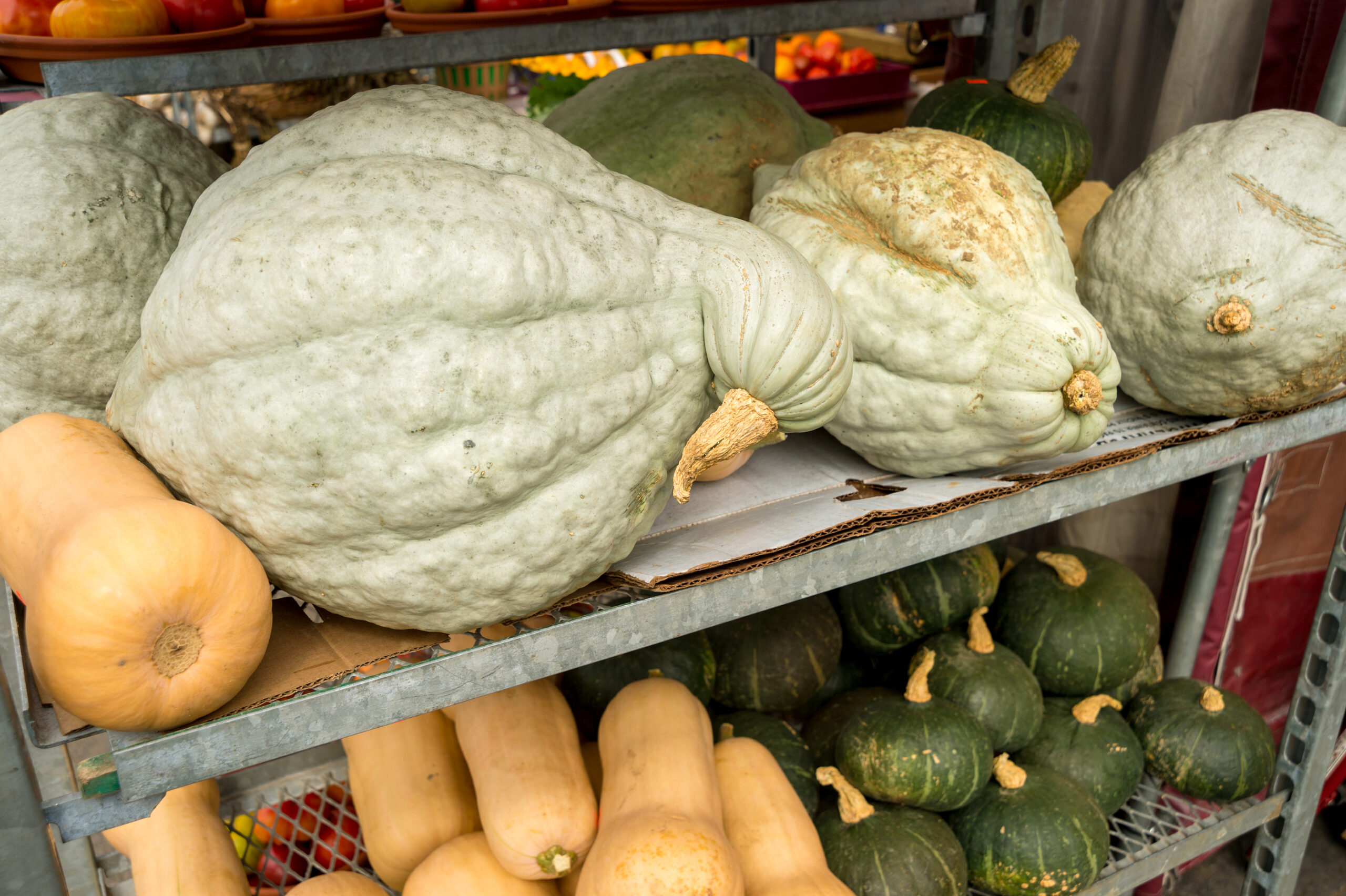
Store pumpkins and squash on sturdy shelves. Place straw or newspaper underneath them. Make sure they do not come in contact with each other.
Crops to store in garden rows
Many crops can be stored in the ground. These include beets, cabbage, carrots, celeriac, horseradish, Jerusalem artichoke, kale, leeks, parsnips, winter radishes, rutabaga, salsify, and ad turnips. Root crops can be left in the soil until they are needed; above-ground crops can be covered with a thick mulch of leaves, straw, or hay. In cold winter regions, a mulch 1 to 2 feet deep is best. Be sure to make the end of rows for root crops with a tall stake. If you live where the growing freezes hard, remove crops before the ground freezes and store them in a cold cellar or use them right away.
Crop-by-crop ways to store your harvest
Asparagus: Eat fresh. Cook or blanch for 2-4 minutes and cool before freezing. Asparagus can also be pressure canned.
Beans: Beans should be totally dried when stored.
Beans, Lima: Blanch in boiling water for 2-4 minutes, cool immediately, seal, and freeze.
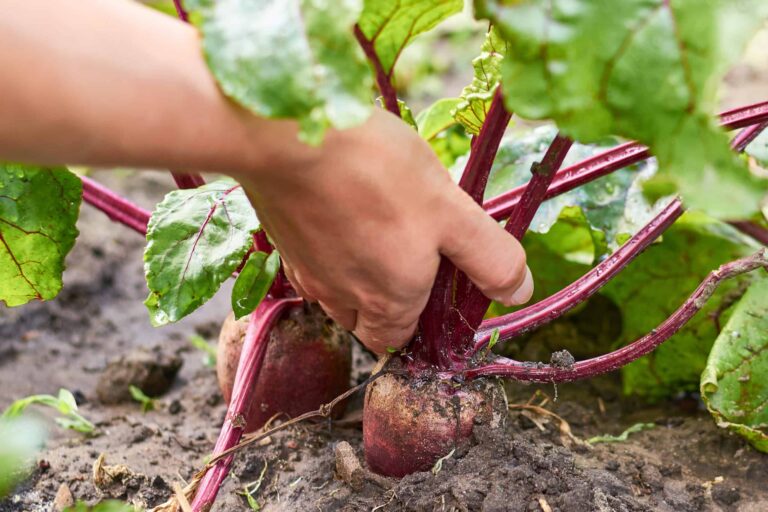
Beets (beetroot): Shelf storage or pickle. Lift and twist-off top and store in moist peat or vermiculite. Beets can also be pressure canned.
Broad beans (fava beans): Freeze or dry.
Broccoli: Best eaten fresh. Cut central shoot first to encourage side shoots. Continue harvest until after the first frost without protection. Broccoli can be frozen. It becomes discolored and develops a strong flavor when canned.
Brussels sprouts: Freeze or leave on the plant until needed. Harvest from the bottom of the plant upwards. Brussels sprouts, like broccoli, are inferior as a canned vegetable.
Bush beans: Blanch and freeze.
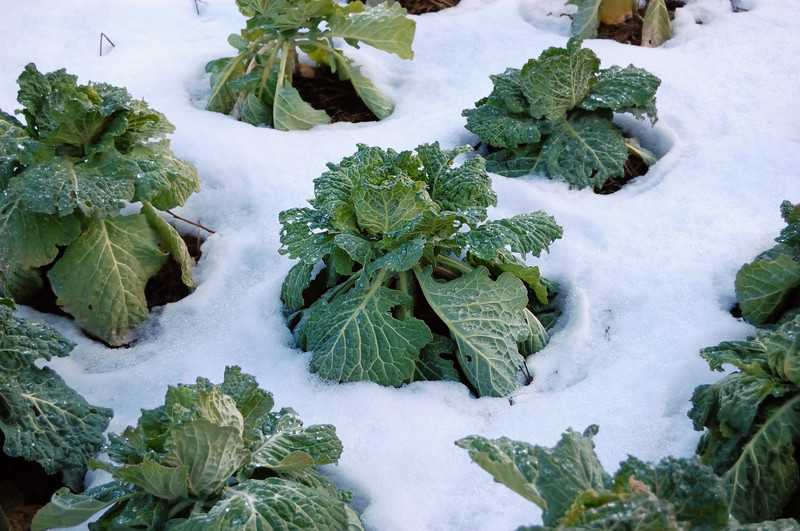
Cabbages: Freeze or shelf storage. Leave in the garden in mild conditions. In cold regions, hang it upside down in a frost-free place for use in the winter months. Blanch for 1.5 minutes, cool, pack in containers, and freeze.
Cabbage, Chinese: Storage is not feasible except for short periods refrigerated in plastic bags.
Carrots: Leave in the ground in mild conditions, but they may split in time. Shelf storage in moist peat or vermiculite. Carrots can better than they freeze–raw pack or hot pack. Carrots can be dried for storage.
Cauliflowers: Blanch before freezing. Store hung upside down in the dark and keeps misted to keep fresh for a few weeks. Cauliflower can be pressure canned.
Celeriac: Store in boxes in moist peat in a frost-free place.
Celery: Blanch for 3 minutes before freezing. Limited shelf storage.
Chard (Swiss chard): Harvest a few leaves from the outside as needed. Will withstand some freezing; harvest until early winter in cold regions, longer in mild regions.
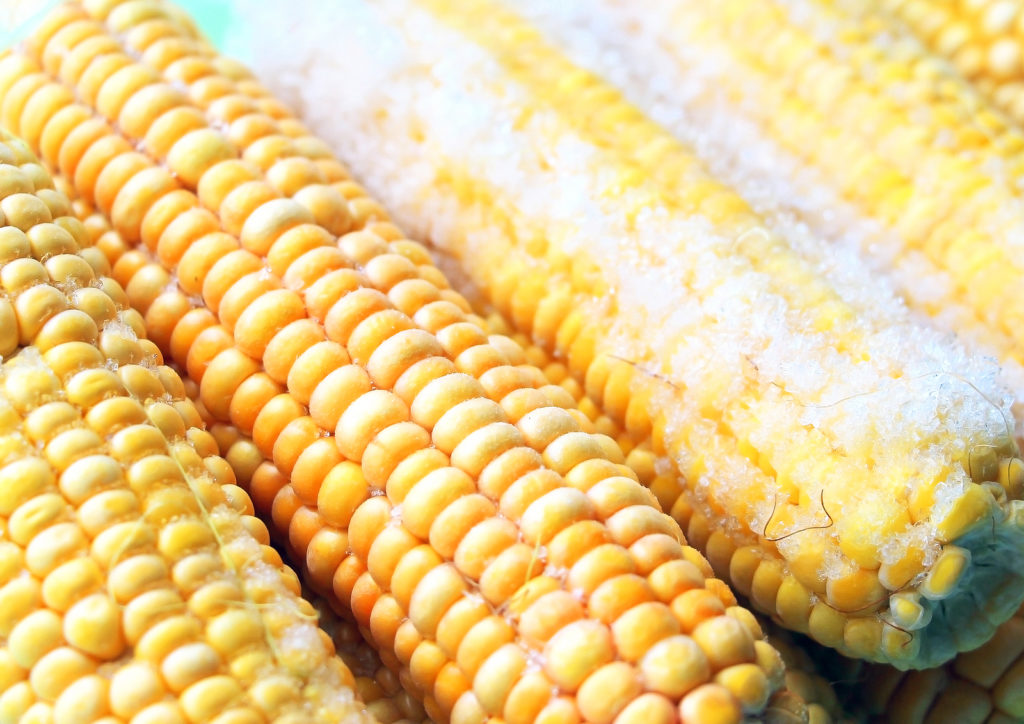
Corn: Pressure can or freeze whole kernel corn. To freeze whole ears, blanch for 7 to 11 minutes depending on cob size, drain well, cool, and freeze.
Cucumbers: Use fresh or pickle.
Eggplant (Aubergine): Cook before freezing. Pressure can hot pack only.
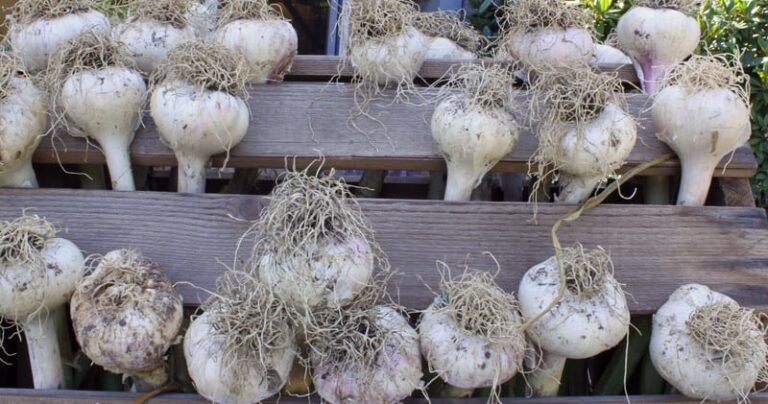
Garlic. Store in sacks or strung in a frost-free place. Dry before storing.
Greens (spinach, dandelions, beet greens, collards, kale, Swiss chard, mustard, turnip greens, fiddleheads): Hot pack only spinach. All others can be frozen after blanching for 3 minutes.
Kale: Harvest through winter.
Kohlrabi: Leave in the ground if mild or protected. Short to medium shelf storage in boxes of moist peat in a frost-free place.
Leeks: Freeze. Leave in the ground in mild conditions until needed. Shelf storage in a box of moist peat.
Melons: Best eaten fresh.
Okra: Pressure can hot pack only. Freeze after blanching for 3-4 minutes.
Onions: In sacks or nets in a frost-free place. Tie leaves together with twine and hang. Onions can be frozen in small quantities for a quick source of diced onions.
Parsnips: Leave in the ground until needed or until late winter. Lift and store loosely packed in moist peat or vermiculite in a frost-free place. Pressure can hot pack only.
Peas, field (Southern and Cowpeas): Pressure can–raw pack or hot pack. Freeze after blanching for 2 minutes.
Peas, garden: Freeze or pressure can; for dry peas, let dry on the plant.
Peppers, hot and sweet: Blanch before freezing. Pickle or dry. Pressure can hot pack only.
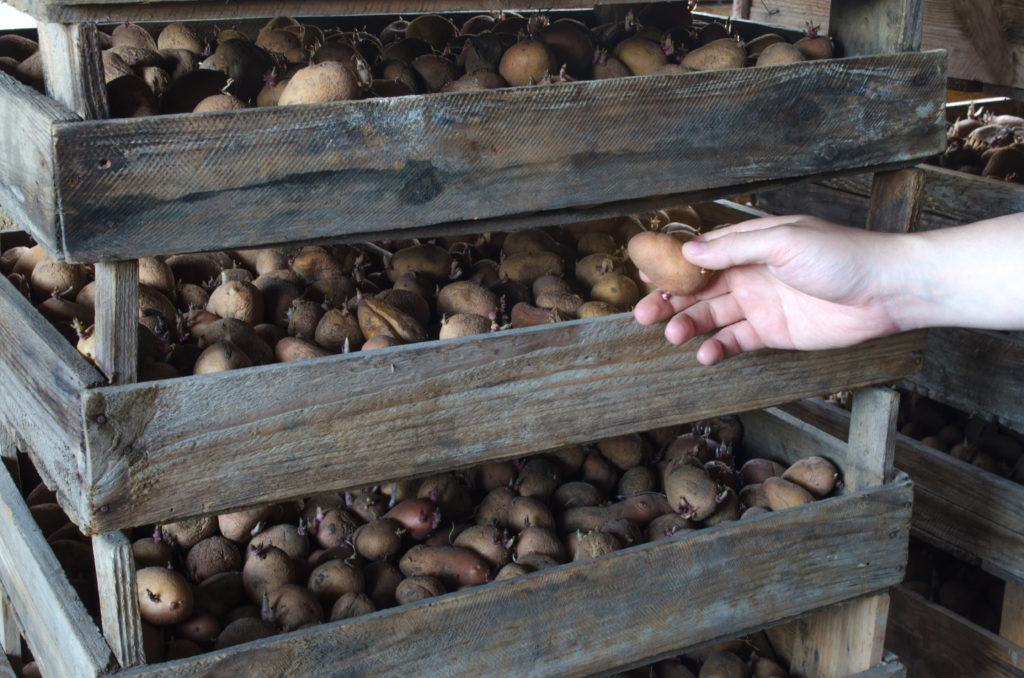
Potatoes: Store in paper or burlap sacks in a frost-free place once cleaned and dried. Use blemished potatoes immediately. Pressure can, hot pack only. Potatoes can also be dried.
Pumpkins: Cook before freezing. Good shelf storage if fully ripe. Leave them in the sun after cutting to allow the skin to harden. Store in a frost-free place and eat in autumn to mid-winter. Pressure can, hot pack only.
Radishes: Eat fresh.
Rhubarb: Cook before freezing.
Runner beans: Freeze.
Rutabaga (Swedes): Leave in the ground until needed (can be woody by late winter). Lift and twist-off top and store in moist peat or vermiculite. Freeze after cutting into cubes and blanching.
Salsify: Lift and store in moist peat in a frost-free place. Some can stay in the ground for harvest until spring.
Shallots: In sacks or nets or strung in a frost-free place.
Soybeans: Dry beans completely as you would dry beans.
Spinach: Cook then freeze.
Summer squash (Zucchini, cocozelle, yellow crookneck): Cook before freezing. Pressure can raw pack.
Sunchokes: Cut down stems in mid-autumn; leave tubers in the ground to use as needed.
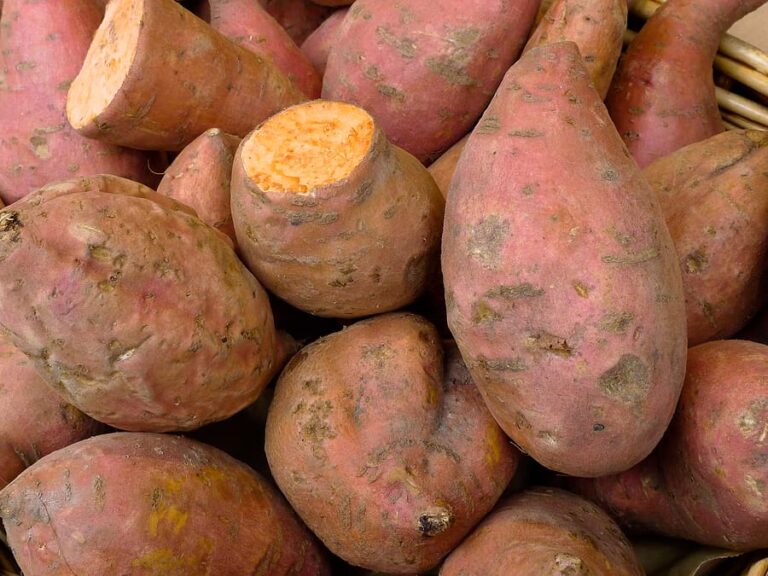
Sweet potatoes and yams: Store in paper or burlap sacks in a frost-free place once cleaned and cured. Use blemished potatoes immediately. Pressure can dry pack or wet pack.
Winter squash: Shelf storage.
Sweet corn: Freeze or pickle.
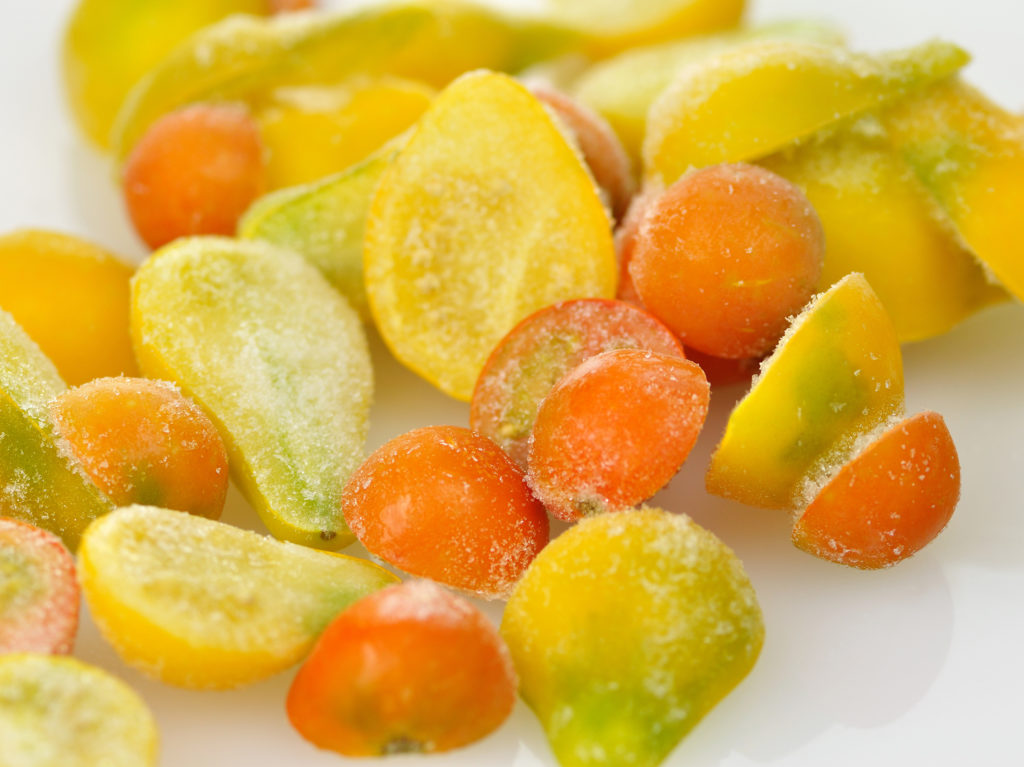
Tomatoes: Cook before freezing. Pickle. Pressure can.
Turnips: Leave in the ground until needed. Lift and twist-off top and store in moist peat or vermiculite. Freeze–blanch for 2 minutes, cool, then store in the freezer.
Zucchini: Cook before freezing. Will store in a frost-free place for a short time at the end of the season.
Visit the Harvest Category to learn how to store individual crops.