When to Harvest Sweet Corn

Few moments in the vegetable garden are more rewarding than pulling back the husk on a perfectly ripe ear of sweet corn.
But timing matters.
Harvest too early, and kernels may be small, watery, and lacking sweetness. Wait too long, and the sugars begin converting to starch, leaving corn that is chewy and less flavorful.
Sweet corn has a short window of peak quality, often just a few days. Learning the signs of readiness helps you harvest ears at their sweetest and most tender.
Know What to Plant This Week
Every week I answer the gardener's most important question: what should I plant now? Get seasonal planting advice free — or go Pro for my full Soil Temperature Garden Report, with soil temperature, moisture, weather trends, and crop-by-crop recommendations.
After decades of growing sweet corn in my home gardens and market garden, and gardening in Iowa, eastern Massachusetts, and Northern California, I’ve learned that the best corn harvests come from paying attention to the plants rather than relying only on the calendar. Weather, variety, and growing conditions all influence when ears are ready.
The secret to great sweet corn is simple: harvest at the right moment and eat it soon after picking.
When Is Sweet Corn Ready to Harvest?
Most sweet corn varieties are ready about 18 to 24 days after the first silks appear, but this can vary with:
- Variety
- Temperature
- Soil moisture
- Fertility
- Growing conditions
The calendar can help, but the plant itself provides the best clues.
Look for:
- Brown, dry silks
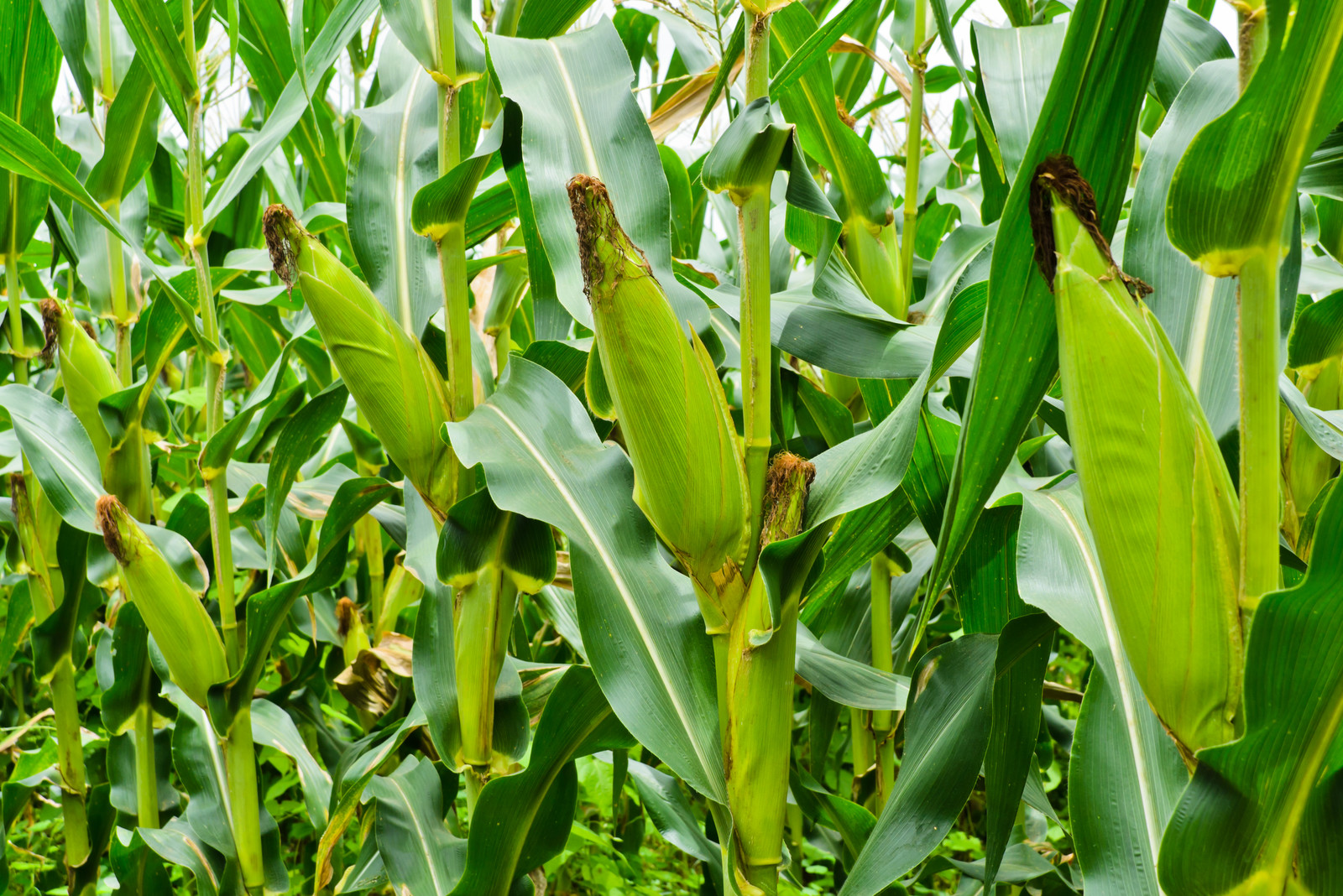
- Full ears
- Firm kernels
- Milky juice inside the kernels
The Silk Test
Corn silks are one of the easiest ways to judge maturity.
Young ears have:
- Fresh green silks
- Pale, moist strands
As corn matures:
- Silks turn brown.
- Silks dry.
- The ear approaches harvest readiness.
However, dry silks alone do not guarantee ripe corn. Always check the kernels before harvesting.
The Kernel Test
The best way to know if sweet corn is ready is to check a kernel.
Carefully pull back a small section of husk near the tip and pierce a kernel with your fingernail.
The juice should be:
- Milky and cloudy = ready to harvest
- Clear and watery = too early
- Thick and doughy = past peak
This simple test has always been my most reliable method.
The Feel Test
A mature ear should feel:
- Full
- Firm
- Well filled from top to bottom
Undeveloped ears often feel:
- Light
- Narrow
- Soft near the tip
The husk should feel tight around the ear.
Harvest Sweet Corn in the Morning
The best time to harvest sweet corn is early morning.
Cool temperatures help preserve:
- Sweetness
- Crisp texture
- Fresh flavor
Sweet corn begins losing sugar soon after harvest, especially in warm weather.
For the best flavor:
- Pick early.
- Eat soon after harvesting.
- Refrigerate unused ears promptly.
How to Harvest Sweet Corn Properly
To harvest an ear:
- Hold the stalk firmly.
- Pull the ear downward.
- Twist gently until it snaps away.
Avoid pulling upward because this can damage the stalk.
Healthy plants may continue producing additional ears depending on variety and growing conditions.
Why Sweet Corn Loses Sweetness
The sweetness of corn comes from sugars stored in the kernels.
After harvest, those sugars gradually convert into starch.
The result is:
- Less sweetness
- Tougher texture
- Reduced flavor
Modern hybrid varieties hold sweetness longer than older types, but freshly harvested corn is still difficult to beat.
Does Weather Affect Corn Harvest Timing?
Yes.
Weather strongly influences maturity.
Warm temperatures speed development.
Cool weather slows it down.
Drought stress can cause:
- Poor kernel fill
- Small ears
- Uneven maturity
Consistent moisture during the pollination and ear-filling stages is especially important.
Watering Sweet Corn Before Harvest
Sweet corn needs adequate moisture while ears are developing.
The most critical periods are:
- Tasseling
- Silking
- Kernel development
Water stress during these stages can reduce:
- Ear size
- Kernel number
- Sweetness
Keep soil consistently moist but not waterlogged.
Mulch can help maintain even soil moisture during hot weather.
How Many Ears Should You Expect Per Plant?
Most sweet corn plants produce:
- One excellent ear
- Sometimes a second smaller ear
High-quality market corn is usually selected for one large, well-filled ear per stalk.
Planting in blocks rather than single rows improves pollination and kernel development.
What Happens If You Harvest Corn Too Late?
Overripe corn becomes less enjoyable.
Signs include:
- Dry kernels
- Tough texture
- Less sweetness
- Doughy flavor
The kernels may still be edible, but they are better suited for cooking methods that use mature corn rather than fresh eating.
Growing Sweet Corn in Different Climates
Growing sweet corn in Iowa, Massachusetts, and California taught me that timing is influenced by climate.
In Iowa, warm summer temperatures created ideal corn-growing conditions, but careful timing was needed because large plantings could mature quickly. In Massachusetts, cooler temperatures often stretched the harvest window. In Northern California, dry summers required careful irrigation during tasseling and ear development.
Regardless of location, the best corn came from healthy plants that received consistent moisture and were harvested at the peak of maturity.
My Home Garden and Market Garden Experience
Sweet corn was one of the crops I paid closest attention to in my market garden because the difference between good corn and great corn was measured in hours, not weeks.
Customers could taste the difference between ears harvested at the right moment and ears picked too late.
In my home garden, I still check ears individually rather than harvesting the entire patch at once. A few minutes spent testing kernels ensures that each ear reaches the kitchen at its sweetest.
The reward is worth the effort: corn so fresh and sweet that it barely needs anything added.
Frequently Asked Questions
How do I know when sweet corn is ready to harvest?
Sweet corn is ready when silks are brown and dry, ears feel full, and kernels release milky juice when pierced.
How many days after silking should I harvest corn?
Most sweet corn is ready about 18 to 24 days after silks appear, depending on variety and weather.
Can you harvest sweet corn too early?
Yes. Early-picked corn has smaller kernels and less sweetness because sugars have not fully developed.
Can you harvest sweet corn too late?
Yes. Overripe corn becomes starchier, tougher, and less sweet.
What is the best time of day to pick corn?
Early morning is best because cooler temperatures help preserve sweetness and freshness.
How long does sweet corn stay sweet after picking?
Sweetness declines after harvest, especially in warm conditions. Refrigerate ears quickly and eat soon for best flavor.
Should I soak corn before harvesting?
No. Soaking does not improve harvest quality. Proper timing and freshness determine flavor.
Why are my corn kernels missing at the top of the ear?
Poor pollination, drought stress, or insufficient plant spacing can result in incomplete kernel development.
The Bottom Line
Harvesting sweet corn at the right time is the key to enjoying the sweetest, most tender ears from your garden.
Look for dry silks, full ears, and kernels filled with milky juice. Harvest in the cool morning, and eat corn as soon as possible for the best flavor.
After decades of growing sweet corn in home gardens and market gardens across Iowa, Massachusetts, and California, I’ve learned that great corn is all about timing. Give plants the moisture they need, watch for the signs of maturity, and harvest when nature says the ears are ready.