🥬 Cool Season Harvest Tips

When to harvest—and how to harvest—for peak flavor, tenderness, and continuous yield
For more than 30 years gardening in California’s mild-winter climate, I’ve learned that how and when you harvest cool-season crops matters as much as how you grow them. The difference between tender, sweet produce and tough, bitter harvests often comes down to timing and a steady, attentive hand.
What follows is a practical, experience-based guide you can rely on season after season.
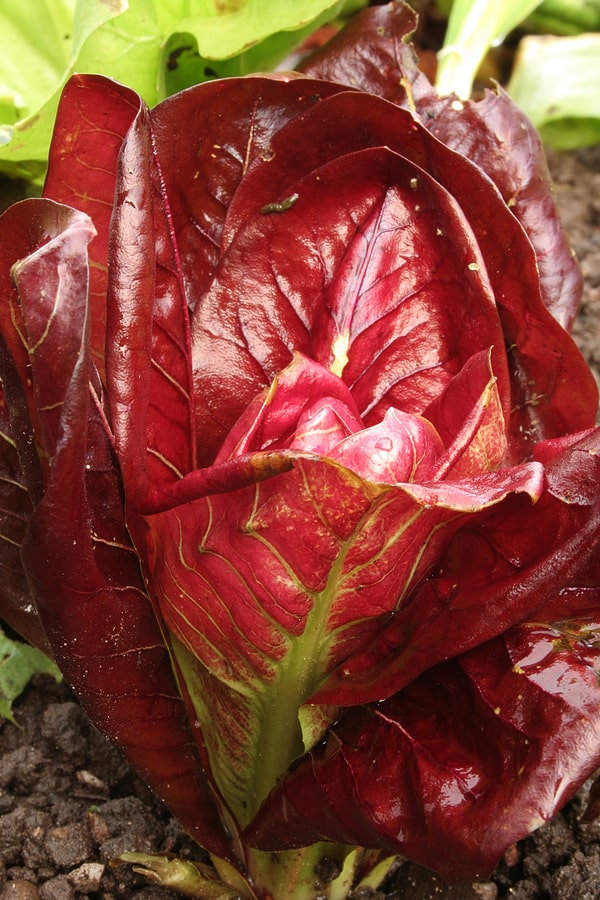
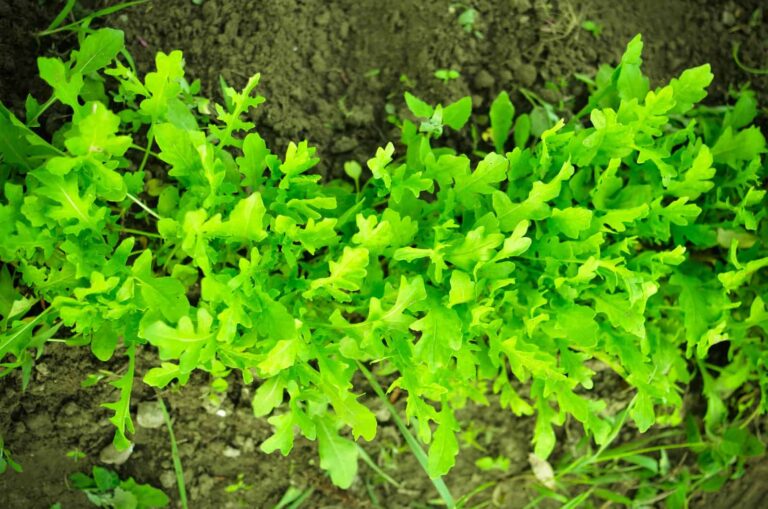
🌿 Leafy Greens (Lettuce, Spinach, Arugula, Chard, Kale)
When to harvest
- Start early at the baby leaf stage (3–5 inches) for the most tender flavor
- Harvest full-size leaves before temperatures rise or plants show signs of bolting
- Best time of day: early morning, when leaves are fully hydrated
How to harvest
Know What to Plant This Week
Every week I answer the gardener's most important question: what should I plant now? Get seasonal planting advice free — or go Pro for my full Soil Temperature Garden Report, with soil temperature, moisture, weather trends, and crop-by-crop recommendations.
- Use the cut-and-come-again method: harvest outer leaves, leave the center intact
- For head lettuce: cut cleanly at the base once the head is firm
- For kale and chard: remove older outer leaves first, allowing continuous growth
From my garden
I rarely harvest an entire plant unless I need the space. By taking just a few leaves at a time, I can stretch a planting of lettuce or kale across several weeks. This is especially important in spring, when a sudden warm spell can end the harvest window quickly.
🥕 Root Crops (Carrots, Beets, Turnips, Radishes)
When to harvest
- Radishes: 20–40 days—don’t wait, they turn woody fast
- Carrots: when shoulders begin to push above the soil line
- Beets and turnips: at 1–3 inches in diameter for best flavor and texture
How to harvest
- Loosen soil gently before pulling to avoid breakage
- Lift roots steadily—don’t yank
- Remove tops after harvest to preserve moisture (unless using greens immediately)
From my garden
I harvest roots in stages rather than all at once. Smaller roots are consistently sweeter, and leaving some in the ground gives me flexibility in the kitchen and in the garden. This staggered harvest also keeps beds productive longer.
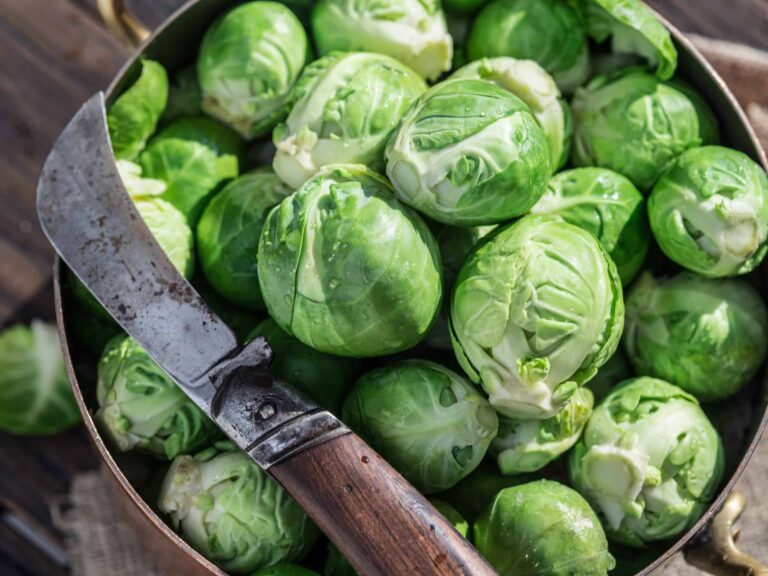
🥦 Brassicas (Broccoli, Cauliflower, Cabbage, Kohlrabi)
When to harvest
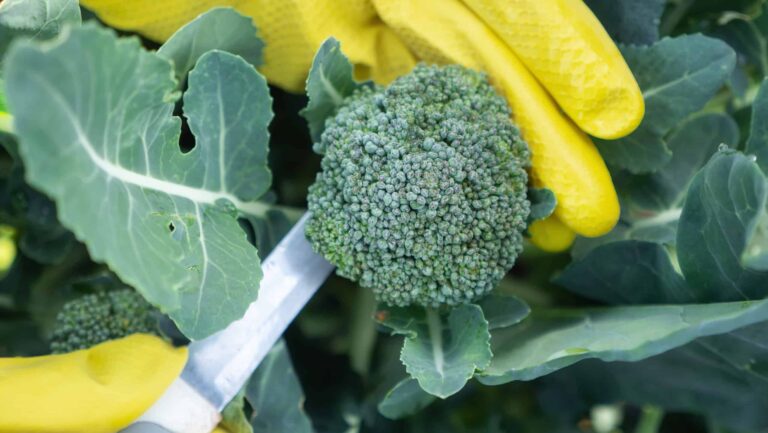
- Broccoli: when heads are tight, before any yellow flowers appear
- Cauliflower: full-sized but still compact and dense
- Cabbage: firm when squeezed
- Kohlrabi: golf ball to tennis ball size—larger can become woody
How to harvest
- Cut heads cleanly with a sharp knife
- Leave the plant in place—especially broccoli, which often produces side shoots
From my garden
Broccoli demands attention. I check nearly every day once heads begin to form. Miss the ideal window by even a couple of days in warm weather, and quality drops quickly. The reward for staying attentive is a long run of side shoots after the main head is harvested.
🌱 Herbs (Cilantro, Parsley, Dill, Chamomile)
When to harvest
- Cilantro and dill: before bolting begins
- Parsley: anytime once well established
- Chamomile: when flowers are fully open and fresh
How to harvest
- Cut outer stems first to keep plants producing
- Harvest regularly to delay flowering
- For chamomile: pick flowers every few days to encourage more blooms
From my garden
Cilantro is the most sensitive to timing. I harvest it heavily just before it shows signs of bolting, often taking most of the plant at once. In contrast, parsley can be harvested steadily for months with little decline in quality.
🌡️ Timing Matters (Zone 9b Insight)
- Cool-season crops thrive from late fall through early spring
- Flavor improves after light frost, especially in kale and carrots
- Winter growth slows, but quality remains high
- As daylight increases in late winter, bolting accelerates quickly
From my garden
In my Sonoma Valley beds, I’ve found that late winter is the turning point. Crops that held beautifully through January can bolt quickly by March if not harvested in time. Staying ahead of that shift is key.
🌿 A Harvest Rhythm That Works
- Harvest leafy greens 2–3 times per week
- Check brassicas daily as they near maturity
- Pull root crops as needed, not all at once
- Keep plants producing by harvesting regularly rather than clearing beds
From my garden
The garden responds to attention. Frequent, light harvests keep plants in a productive state and reduce waste. It also keeps me connected to what each crop is doing day by day.
🌞 Final Thought
Cool-season crops are generous, but they reward timing and consistency.
Harvest a little, often—and you’ll turn each planting into an extended, reliable harvest.