Succession Planting Swiss Chard for Continuous Harvest

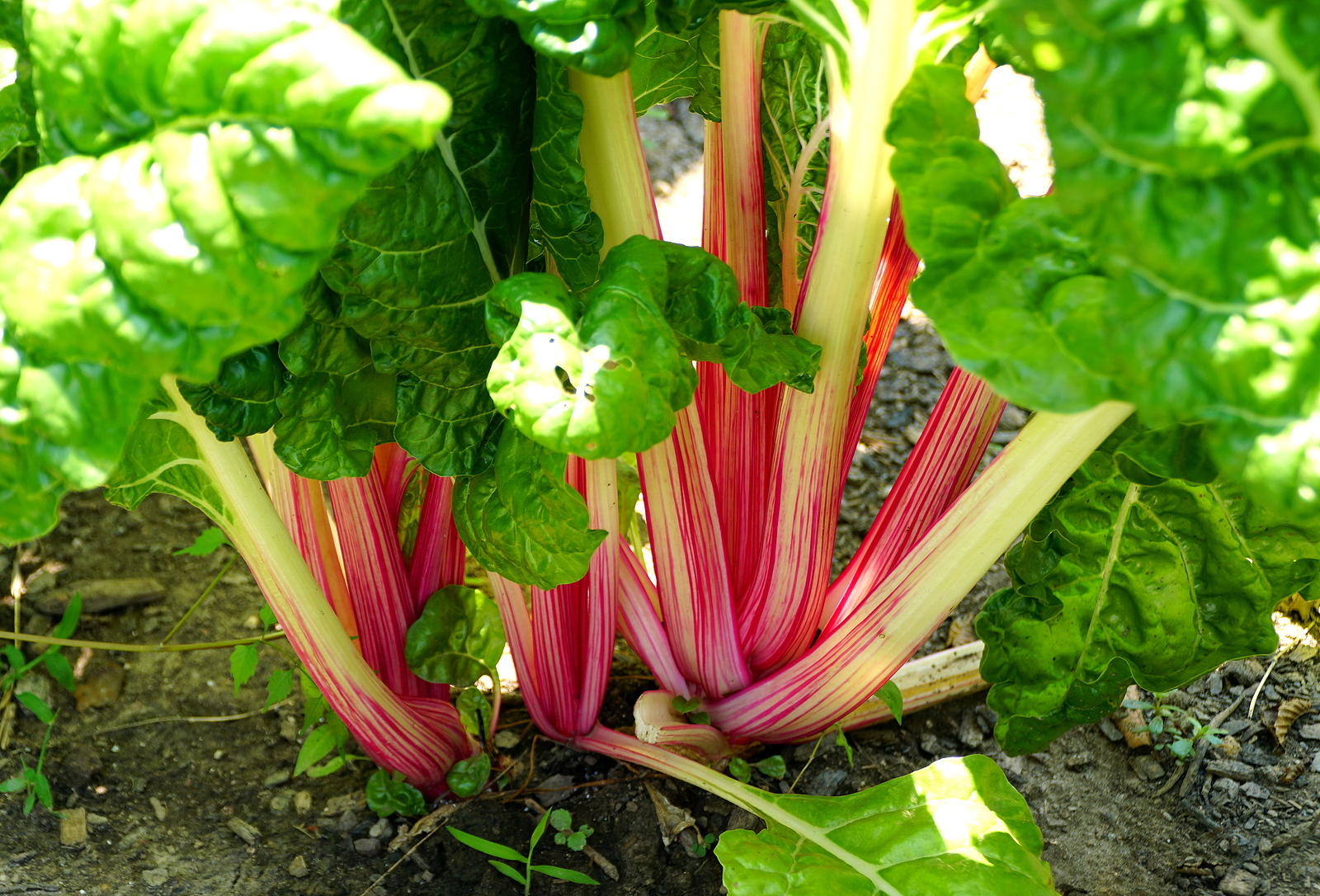
Swiss chard is a nutritious, colorful leafy green that can supply fresh leaves throughout the growing season with the right planting strategy. One of the best ways to ensure a steady supply of Swiss chard is through succession planting—a method where you plant seeds at regular intervals instead of all at once. This approach helps avoid harvest gaps and keeps your kitchen stocked with tender, vibrant greens for months.
What Is Succession Planting?
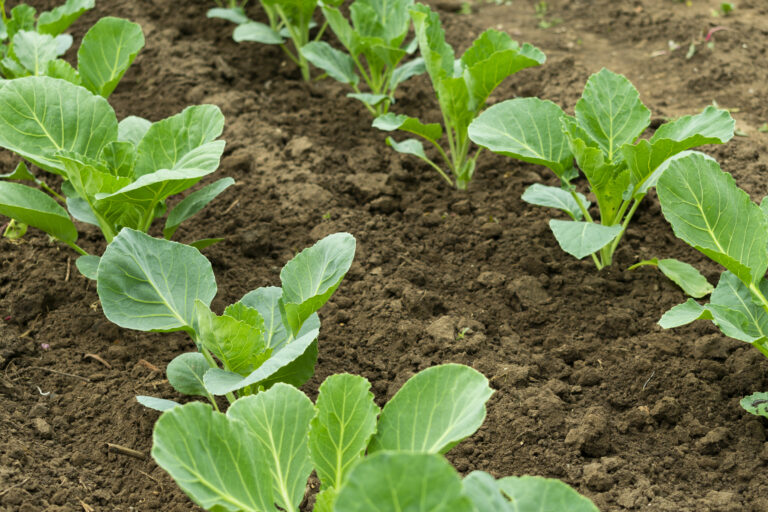
Succession planting means sowing Swiss chard seeds every few weeks, staggering plantings so some are always maturing while others are being harvested. This method smooths out the supply curve, preventing a glut of greens all at once and then none later.
Why Use Succession Planting for Swiss Chard?
- Continuous fresh harvest: Enjoy tender leaves all season long.
- Extend growing season: Plant from early spring through late summer.
- Manage garden space: Prevent overcrowding by spreading out plantings.
- Reduce pest and disease risk: Staggered plants help avoid total crop loss.
How to Succession Plant Swiss Chard
- Start Seeds Every 3-4 Weeks: Begin sowing Swiss chard seeds outdoors about 2-4 weeks before your last frost date, then continue planting every 3-4 weeks until midsummer.
- Use Proper Spacing: Sow seeds ½ inch deep, 2-3 inches apart in rows spaced 12-18 inches apart. Thin seedlings to 6-12 inches apart.
- Choose Suitable Locations: Swiss chard grows best in full sun to partial shade, with well-draining soil enriched with compost.
- Water and Fertilize Regularly: Keep soil moist and provide balanced fertilizer or compost tea to promote lush leaf growth.
- Harvest Outer Leaves Frequently: Pick mature outer leaves regularly to encourage new growth and prolong productivity.
Timing for Year-Round Succession Planting in Mild Climates
- Spring: Start your first planting 2-4 weeks before the last frost.
- Summer: Continue sowing every 3-4 weeks, providing shade during the hottest months.
- Fall: Plant final rounds 6-8 weeks before the first frost to harvest into winter.
Tips for Success
- Mulch around plants to conserve moisture and reduce weeds.
- Monitor for pests like aphids and leaf miners; treat organically.
- Avoid letting plants bolt by maintaining steady moisture and avoiding heat stress.
- Rotate planting locations yearly to prevent soil-borne diseases.
My Experience
With over 15 years of gardening experience growing Swiss chard and other leafy greens in diverse climates, I’ve honed succession planting techniques to maximize harvests and minimize waste. This advice is grounded in both personal success and horticultural research, providing reliable guidance for gardeners seeking continuous Swiss chard production.
🌿 Swiss Chard Learning Hub
Start here: The Ultimate Chard Growing Guide: From Seed to Harvest
✅ Planting & Seasonal Timing
- Swiss Chard Seed Starting Tips
- How to Grow Swiss Chard Year-Round in Mild Climates
- When to Plant Swiss Chard for Spring, Summer, and Fall Harvests
- Succession Planting Swiss Chard for Continuous Harvests
- Growing Swiss Chard in Containers
✅ Growing Techniques
✅ Care & Maintenance
- Watering Swiss Chard: How Much and How Often
- Why Is My Swiss Chard Wilting? Common Growing Problems and Fixes
- How to Keep Swiss Chard From Getting Bitter
✅ Pests & Diseases
✅ Harvesting & Use
- How to Harvest and Store Swiss Chard
- Five Ways to Cook Swiss Chard
- How to Harvest Swiss Chard So It Keeps Growing
✅ Varieties & Selection
- Best Swiss Chard Varieties for Colorful Garden Beds
- Top Swiss Chard Varieties for Small-Space Gardens and Containers
✅ Companion Planting & Rotation