Soil Moisture and Vegetable Growth

Soil moisture is one of the most influential—and most misunderstood—factors in vegetable gardening. It affects germination, root development, nutrient uptake, disease pressure, and ultimately yield. Yet it’s often treated as a simple “water more or water less” decision.
In practice, soil moisture is not a fixed setting. It is a dynamic condition shaped by soil type, temperature, plant stage, and weather. After decades of growing vegetables in raised beds, mounded rows, and containers in Sonoma Valley, one pattern becomes clear: consistent soil moisture—not maximum moisture—is what drives stable, productive growth.
Why Soil Moisture Matters
Plants don’t “drink” water directly in the way we think. They absorb water through fine root hairs, and that water carries dissolved nutrients into the plant. When soil moisture fluctuates too sharply, several problems appear at once:
- Reduced nutrient uptake
- Shallow root systems
- Blossom end rot in fruiting crops
- Poor germination or uneven emergence
- Increased stress susceptibility during heat
Vegetables grow best when the root zone stays in a steady, breathable balance—not saturated, not dry.
Know What to Plant This Week
Every week I answer the gardener's most important question: what should I plant now? Get seasonal planting advice free — or go Pro for my full Soil Temperature Garden Report, with soil temperature, moisture, weather trends, and crop-by-crop recommendations.
The Ideal Moisture Range
Most vegetable crops perform best when soil is kept:
- Moist like a wrung-out sponge
- Damp but not waterlogged
- Consistent from day to day
This “middle zone” is where roots expand efficiently and microbial life remains active.
When soil dries too far between waterings, plants shift energy from growth to survival. When it stays saturated, oxygen is displaced and roots slow down or begin to decline.
Soil Type Changes Everything
Understanding your soil is essential to managing moisture correctly.
Sandy Soil
- Drains quickly
- Warms fast
- Requires frequent watering
- Prone to rapid drying in heat
Clay Soil
- Holds water longer
- Drains slowly
- Can become compacted or oxygen-poor if overwatered
- Needs careful irrigation timing
Loam (Ideal Garden Soil)
- Balanced drainage and retention
- Most forgiving for vegetables
- Supports steady, even growth
In practice, most gardens are a mix of these, especially in raised beds where soil is often engineered.
Plant Stage and Water Needs
Vegetables do not require the same moisture level throughout their life cycle.
Germination
Seeds require consistent surface moisture. Drying even once can reduce germination rates dramatically.
Early Growth
Young plants benefit from frequent, shallow moisture to encourage root expansion.
Mature Growth
Established plants perform best with deeper, less frequent watering that encourages roots to move downward.
Fruiting Stage
Consistency becomes critical. Fluctuations in soil moisture often show up as cracking, blossom end rot, or uneven fruit development.
Insight: What Works in Real Gardens
In long-term field experience, the most reliable gardens are not those watered the most—they are those watered the most consistently.
A few patterns hold true year after year:
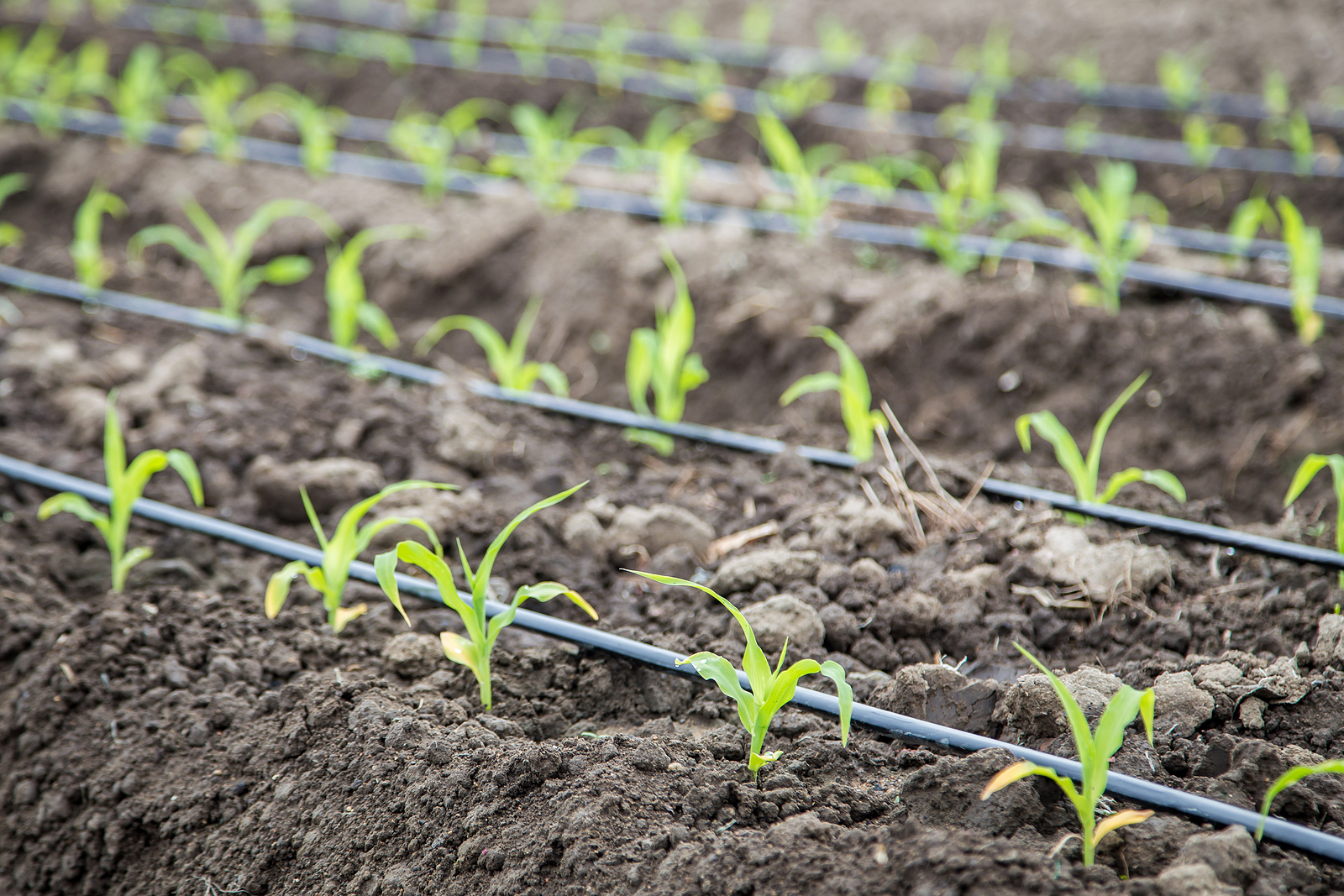
- Deep watering every few days outperforms light daily watering for most established crops
- Mulched beds maintain far more stable soil moisture than bare soil
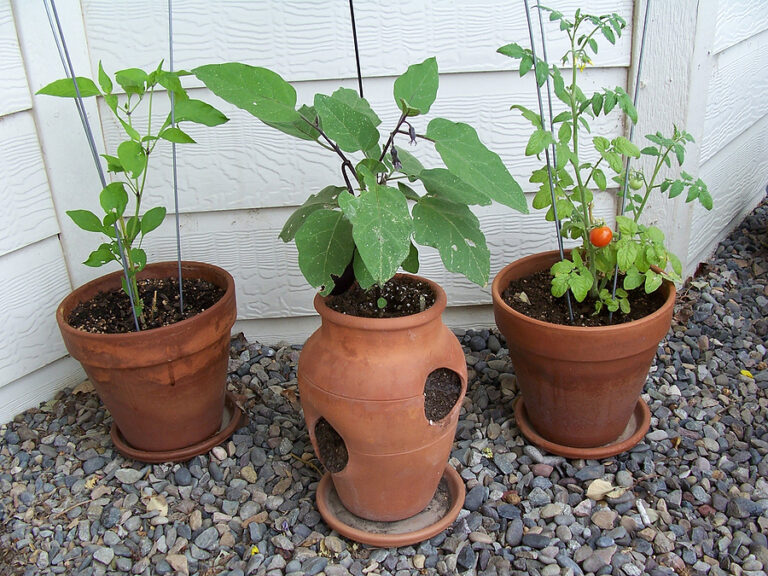
- Container gardens require closer monitoring because they swing quickly between wet and dry
- Morning watering produces better uptake and less evaporation loss
The goal is not constant wetness—it is stability.
Simple Ways to Monitor Soil Moisture
You don’t need specialized equipment to understand soil moisture. Practical methods work well:
- Finger test: Insert a finger 2–3 inches into soil; it should feel cool and slightly damp
- Trowel check: Lift a small section of soil and observe texture and cohesion
- Plant signals: Wilting in early morning often indicates moisture imbalance, not heat alone
Experienced gardeners develop a sense of “feel” that becomes more reliable than schedules.
Common Mistakes
Even experienced growers misjudge moisture because of visible surface conditions.
Common issues include:
- Watering only the surface while roots stay dry below
- Overwatering in clay soils that already retain moisture
- Ignoring the effect of mulch on slowing evaporation
- Using fixed schedules instead of soil-based observation
Vegetables respond to root-zone conditions, not surface appearance.
Final Thoughts
Soil moisture is less about watering frequency and more about maintaining a stable growing environment underground. When moisture is consistent, roots expand, nutrient uptake improves, and plants become more resilient to heat and stress.
In practical terms, good vegetable gardening is less about watering more—and more about watering with intention.