How to Water Potatoes for Bigger Tubers

Watering potatoes may seem straightforward, but timing and consistency make all the difference between harvesting a handful of small tubers and digging baskets of large, well-formed potatoes. Too little water during tuber development limits size, while too much water encourages disease, cracked potatoes, and poor storage quality.
Over decades of growing potatoes in home gardens in Iowa, eastern Massachusetts, and Northern California, I’ve found that potatoes perform best when the soil remains evenly moist from emergence through tuber bulking. The trick is knowing when potatoes need the most water—and when they need less.
The goal isn’t to keep the soil constantly wet. The goal is to maintain steady moisture in the root zone while allowing excess water to drain away quickly.
Why Water Matters for Potatoes
Potatoes produce underground stems called stolons that swell into tubers. Those developing tubers are mostly water, so a consistent moisture supply is essential for steady growth.
Know What to Plant This Week
Every week I answer the gardener's most important question: what should I plant now? Get seasonal planting advice free — or go Pro for my full Soil Temperature Garden Report, with soil temperature, moisture, weather trends, and crop-by-crop recommendations.
When potato plants become water-stressed, they may:
- Produce fewer tubers
- Develop smaller potatoes
- Form misshapen tubers
- Crack after heavy watering
- Produce rough or knobby potatoes
- Experience hollow heart in some varieties
- Stop growing during hot weather
Consistent watering encourages potatoes to size up evenly throughout the season.
How Much Water Do Potatoes Need?
Most potato plants require 1 to 2 inches (2.5 to 5 cm) of water each week, including rainfall.
During hot, dry weather, they may require additional irrigation, especially while tubers are enlarging.
Water needs depend on:
- Air temperature
- Wind
- Soil type
- Plant size
- Stage of growth
- Mulch
- Raised beds versus in-ground planting
Loose, sandy soils require more frequent watering than heavier loam soils.
Water Deeply—but Don’t Saturate
Potato roots are relatively shallow compared to many vegetables.
Instead of frequent light watering:
- Water slowly.
- Moisten the soil 8 to 10 inches deep.
- Allow the top inch of soil to begin drying before watering again.
Avoid keeping the soil constantly saturated, which reduces oxygen around roots and encourages disease.
How Often Should You Water Potatoes?
There is no perfect schedule because weather and soil conditions vary.
General guidelines:
After planting
- Water lightly only if soil becomes very dry before sprouts emerge.
After plants emerge
- Water every 4 to 6 days during mild weather.
During tuber development
- Water every 2 to 4 days during warm weather, depending on soil conditions.
During heat waves
- Check soil moisture daily.
- Irrigate whenever the root zone begins drying.
Always check the soil before watering rather than following a rigid calendar.
The Best Time to Water
Morning is the best time to irrigate potatoes.
Morning watering:
- Supplies moisture before afternoon heat
- Reduces evaporation
- Allows foliage to dry quickly
- Helps reduce disease pressure
If necessary, water during late afternoon.
Avoid evening watering whenever possible.
The Most Important Time to Water Potatoes
The most critical period begins shortly after flowering starts.
This is when tubers begin enlarging rapidly.
A shortage of water during tuber bulking often results in:
- Small potatoes
- Reduced yields
- Uneven tuber size
- Lower-quality harvests
If water is limited, make this stage your highest priority.
Keep Leaves Dry
Potatoes are susceptible to diseases including:
- Early blight
- Late blight
- Common scab (affected indirectly by soil moisture)
- Various fungal leaf diseases
Whenever practical:
- Water at soil level.
- Avoid overhead irrigation.
- Keep foliage as dry as possible.
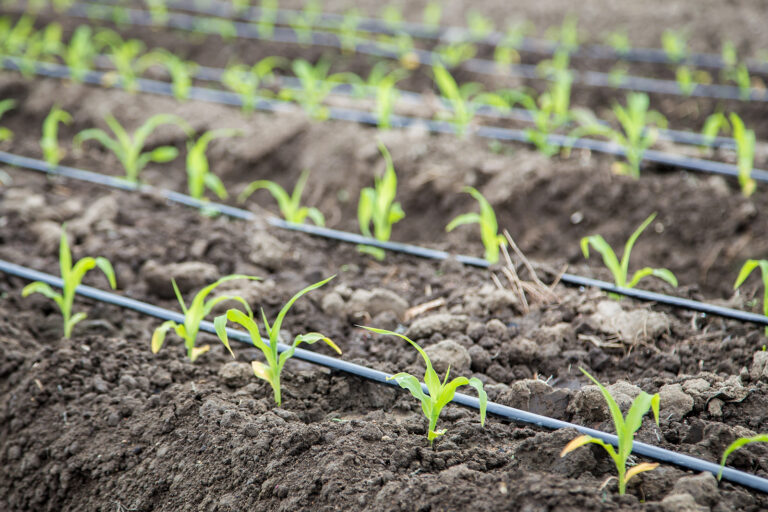
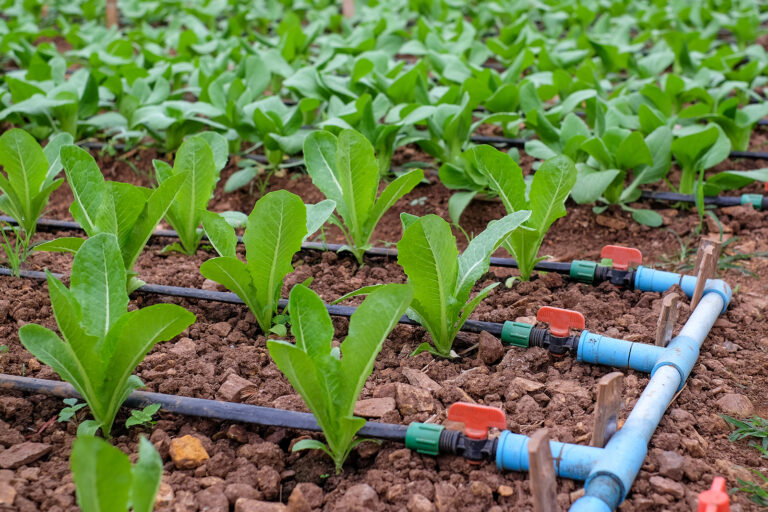
Drip irrigation and soaker hoses work exceptionally well.
The Best Ways to Water Potatoes
Drip Irrigation
Drip irrigation is my preferred watering method.
Benefits include:
- Deep, even watering
- Reduced disease
- Water conservation
- Less evaporation
- Consistent soil moisture
Soaker Hoses
Soaker hoses are excellent for rows of potatoes because they distribute water slowly and evenly.
Hand Watering
Small potato patches can be watered successfully by hand if irrigation is slow enough to soak deeply.
Mulch Helps Produce Better Potatoes
Organic mulch conserves moisture and keeps the soil cool.
Apply 2 to 3 inches of:
- Straw
- Shredded leaves
- Compost
- Clean grass clippings
Mulch helps:
- Reduce evaporation
- Moderate soil temperature
- Suppress weeds
- Reduce moisture fluctuations
- Protect developing tubers from sunlight
Water Needs During Each Growth Stage
Sprouting
After planting, keep the soil slightly moist but not wet.
Excessive watering before emergence can encourage seed potato rot.
Vegetative Growth
Water deeply to support healthy stems and leaves.
Flowering
Moisture becomes increasingly important as tubers begin forming beneath the soil.
Tuber Bulking
This is the period of greatest water demand.
Consistent moisture allows potatoes to enlarge evenly.
Before Harvest
As vines naturally yellow and begin dying back, gradually reduce watering.
Stop irrigating about one to two weeks before harvest to allow skins to firm up and improve storage quality.
Avoid harvesting from saturated soil whenever possible.
Signs Potatoes Need Water
Watch for:
- Morning wilting
- Slow growth
- Dry soil several inches below the surface
- Small developing tubers
- Leaf curling
- Premature yellowing
Temporary afternoon wilting during extreme heat is less concerning if plants recover by evening.
Signs You’re Watering Too Much
Excessive watering may cause:
- Yellowing leaves
- Soft stems
- Root diseases
- Tuber rot
- Cracked potatoes
- Poor storage quality
Healthy potato roots require both moisture and oxygen.
Watering Potatoes in Raised Beds and Containers
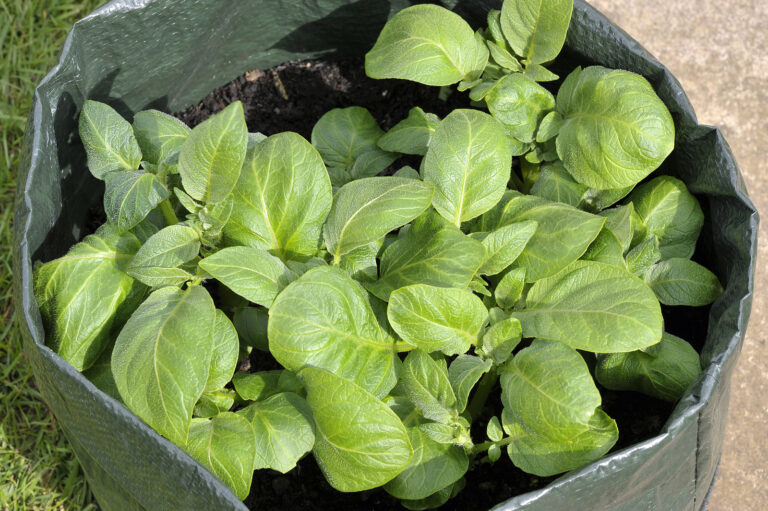
Raised beds and grow bags drain more quickly than garden soil.
During summer:
- Check moisture frequently.
- Water deeply whenever the root zone begins drying.
- Ensure excellent drainage.
Containers may require irrigation every day during prolonged hot weather.
My Watering Routine
After growing potatoes in Iowa, eastern Massachusetts, and Northern California, I’ve learned that consistency matters more than frequency. I check the soil several inches below the surface rather than watering on a fixed schedule. During tuber bulking, I make sure the soil stays evenly moist with drip irrigation or soaker hoses. As harvest approaches and the vines begin to die back naturally, I reduce watering so the potatoes develop firm skins that store well. That routine has consistently produced larger, smoother potatoes with excellent keeping quality.
Frequently Asked Questions
How often should I water potatoes?
Most potatoes need deep watering every two to four days during warm weather while tubers are enlarging, but always check soil moisture before irrigating.
When do potatoes need the most water?
The greatest water demand occurs during flowering and tuber bulking, when potatoes are rapidly increasing in size.
Should I stop watering potatoes before harvest?
Yes. Reduce or stop watering one to two weeks before harvest after vines begin dying back naturally. This helps toughen the skins and improves storage.
Can potatoes get too much water?
Yes. Overwatering encourages root diseases, tuber rot, cracking, and poor storage quality.
Is drip irrigation good for potatoes?
Absolutely. Drip irrigation provides slow, consistent watering while reducing leaf diseases and conserving water.
Why are my potatoes small?
Small potatoes often result from inconsistent watering, drought during tuber bulking, overcrowding, or insufficient fertility.
Does mulch help potato plants?
Yes. Organic mulch conserves moisture, moderates soil temperature, suppresses weeds, and protects shallow tubers from exposure to sunlight.
The Bottom Line
Growing large, healthy potatoes depends on providing consistent moisture when tubers are developing and reducing irrigation as harvest approaches. Deep watering, well-drained soil, and organic mulch create the ideal conditions for smooth, well-sized potatoes with excellent flavor and storage quality.
If you let the soil—not the calendar—guide your watering, your potato plants will reward you with bigger tubers, higher yields, and a harvest that stores well for months.