How to Water Sweet Corn for Full Ears

Growing sweet corn is one of the great rewards of a summer vegetable garden. Few crops are as satisfying as harvesting ears filled from tip to tip with sweet, tender kernels. But achieving full ears depends on more than fertile soil and sunshine—it requires consistent watering at the right times.
After growing sweet corn in home gardens and market gardens for many years, I’ve found that watering consistently, especially during tasseling and ear development, makes the difference between full, well-filled ears and ears with missing kernels or poor pollination. Corn is one of the thirstiest vegetables in the garden, and periods of drought can reduce both yield and eating quality.
The goal is to keep the root zone evenly moist throughout the growing season, paying special attention when plants begin producing tassels and silks.
Why Water Matters for Sweet Corn
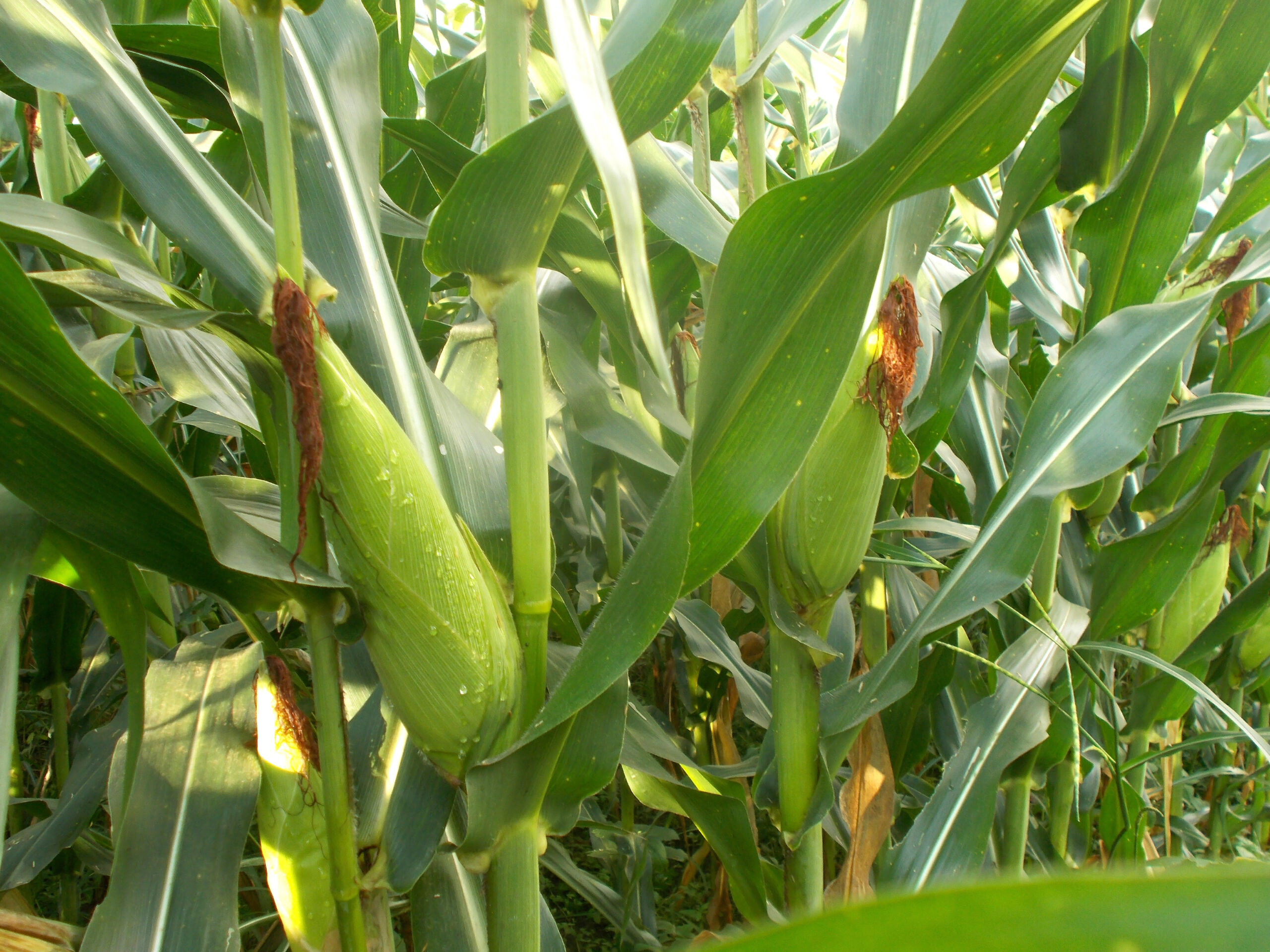
Sweet corn grows rapidly once temperatures warm. A mature plant may reach 6 to 10 feet tall and produce a large amount of foliage before forming ears.
Know What to Plant This Week
Every week I answer the gardener's most important question: what should I plant now? Get seasonal planting advice free — or go Pro for my full Soil Temperature Garden Report, with soil temperature, moisture, weather trends, and crop-by-crop recommendations.
Because of its rapid growth, corn requires a steady supply of moisture to:
- Build strong stalks
- Produce healthy tassels
- Develop long silks
- Support successful pollination
- Fill kernels completely
- Produce sweet, tender ears
Water stress at any stage can slow growth, but drought during pollination is especially damaging.
How Much Water Does Sweet Corn Need?
Sweet corn typically requires 1½ to 2 inches (4 to 5 cm) of water each week, including rainfall.
During hot, windy weather or when temperatures exceed 90°F (32°C), plants often require even more.
Water requirements depend on:
- Temperature
- Wind
- Humidity
- Soil type
- Plant size
- Mulch
- Stage of growth
Corn planted in sandy soil usually requires more frequent irrigation than corn growing in loam or clay.
Water Deeply to Encourage Strong Roots
Corn develops an extensive root system that benefits from deep watering.
Rather than frequent shallow irrigation:
- Water slowly.
- Soak the soil 10 to 12 inches deep.
- Allow only the top inch of soil to begin drying before watering again.
Deep watering encourages roots to spread widely and anchor tall stalks against wind.
How Often Should You Water Sweet Corn?
There is no fixed watering schedule.
Weather and soil conditions determine when irrigation is needed.
General guidelines:
Young seedlings
- Every 4 to 6 days
Rapid vegetative growth
- Every 3 to 5 days
During tasseling and ear formation
- Check soil daily.
- Water whenever the root zone begins drying.
Never allow corn to become drought-stressed while tassels are shedding pollen or silks are emerging.
The Best Time to Water
Morning is the best time to irrigate sweet corn.
Morning watering:
- Reduces evaporation
- Supplies moisture before afternoon heat
- Allows leaves to dry quickly
- Helps reduce disease
Late afternoon is acceptable if needed.
Avoid watering late in the evening whenever possible.
Keep Foliage as Dry as Practical
Although corn tolerates overhead watering better than many vegetables, watering at soil level is still preferable.
Keeping foliage drier helps reduce diseases such as:
- Common rust
- Northern corn leaf blight
- Gray leaf spot
Drip irrigation and soaker hoses are excellent options.
The Best Ways to Water Sweet Corn
Drip Irrigation
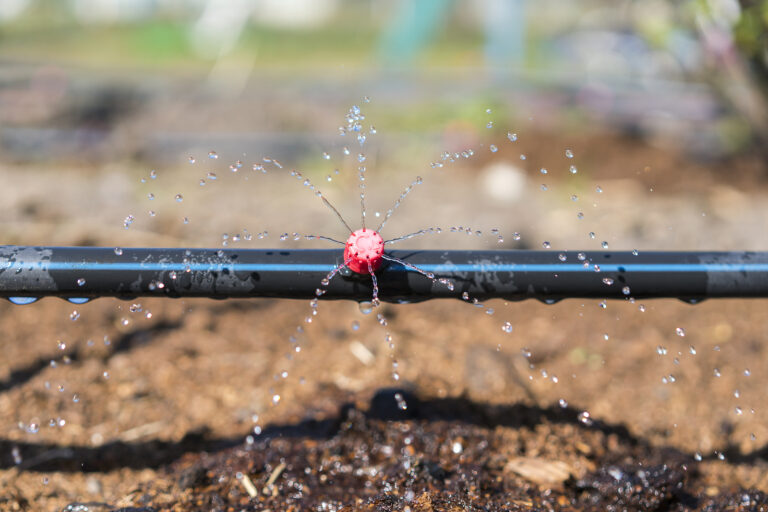
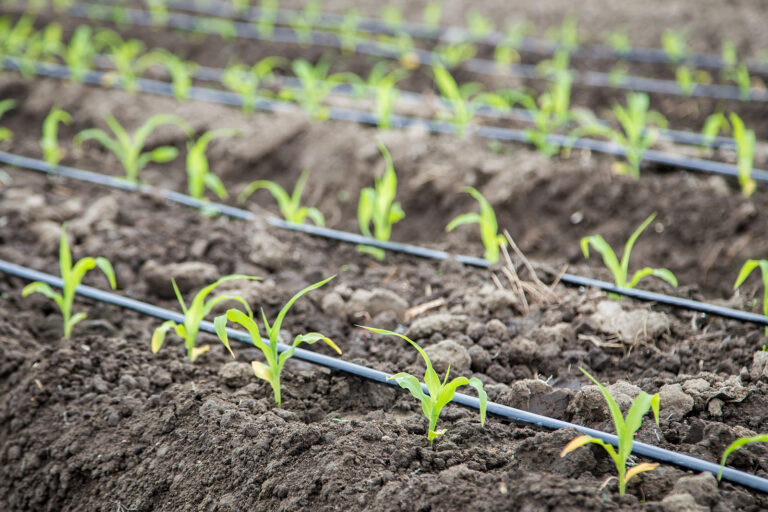
Drip irrigation provides slow, deep watering directly to the root zone.
Benefits include:
- Consistent moisture
- Less evaporation
- Efficient water use
- Reduced disease
- Healthy root development
Soaker Hoses
Soaker hoses work especially well for rows of sweet corn.
Overhead Sprinklers
If overhead sprinklers are your only option, water early in the morning so foliage dries quickly.
Hand Watering
Small plantings can be watered successfully with a watering wand or hose if water is applied slowly and deeply.
Mulch Conserves Moisture
Apply 2 to 3 inches of organic mulch between rows once plants are established.
Good mulch materials include:
- Straw
- Shredded leaves
- Compost
- Untreated grass clippings
Mulch helps:
- Reduce evaporation
- Keep roots cooler
- Suppress weeds
- Maintain consistent soil moisture
Water Needs During Each Growth Stage
Germination
Keep the seedbed evenly moist until seedlings emerge.
Early Growth
Deep watering encourages strong root and stalk development.
Tasseling
This is one of the most critical stages.
Water stress during tasseling reduces pollen production and pollination success.
Silking
Silks must remain fresh and receptive to pollen.
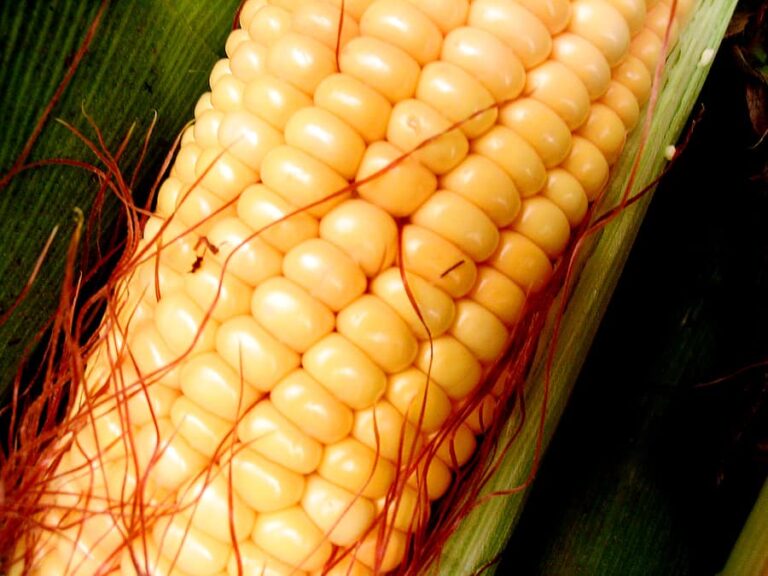
Dry conditions during silking often result in ears with missing kernels.
Ear Filling
Consistent moisture allows kernels to expand fully and develop their characteristic sweetness.
The Most Critical Time to Water Corn
If there is one stage when sweet corn must never run short of water, it is from tasseling through kernel development.
This period usually lasts about three weeks.
Even a few days of drought during this stage can result in:
- Poor pollination
- Missing kernels
- Short ears
- Smaller harvests
When water is limited, make this period your highest irrigation priority.
Signs Sweet Corn Needs Water
Watch for:
- Rolled leaves during the morning
- Wilting
- Slow growth
- Dry soil several inches below the surface
- Short ears
- Poor kernel fill
Leaves that roll tightly during the heat of the day and remain rolled into the evening indicate significant water stress.
Signs You’re Watering Too Much
Excessive watering may cause:
- Yellow leaves
- Slow growth
- Root diseases
- Weak root systems
- Poor oxygen around roots
Corn performs best in moist, well-drained soil.
Watering Sweet Corn in Raised Beds
Raised beds drain more quickly than in-ground gardens.
Check moisture more often during hot weather and irrigate deeply whenever the root zone begins drying.
Mulch is especially valuable for conserving moisture in raised beds.
Watering During Heat Waves
Sweet corn requires additional moisture during prolonged periods above 90°F (32°C).
During heat waves:
- Check soil moisture daily.
- Water deeply whenever necessary.
- Maintain mulch between rows.
- Avoid allowing plants to wilt repeatedly.
Well-watered plants tolerate heat much better than drought-stressed plants.
My Watering Routine
When I grow sweet corn, I pay particular attention to watering once tassels begin to emerge. Throughout the season, I check the soil regularly rather than watering on a fixed schedule. During pollination and ear development, I make sure the root zone stays consistently moist by using drip irrigation or soaker hoses whenever possible. In my experience, this simple practice produces fuller ears with better kernel development and sweeter flavor at harvest.
Frequently Asked Questions
How often should I water sweet corn?
Most sweet corn needs deep watering every three to five days during warm weather, but always check soil moisture before irrigating.
When is watering most important for corn?
The most critical period is from tasseling through ear filling. Water stress during this stage can reduce pollination and leave ears with missing kernels.
Can sweet corn get too much water?
Yes. Waterlogged soil limits oxygen to the roots and can slow growth or encourage root diseases.
Why are my corn ears missing kernels?
Poor pollination caused by drought, excessive heat, or insufficient pollen movement is a common cause of incomplete kernel development.
Is drip irrigation good for sweet corn?
Yes. Drip irrigation provides deep, consistent watering while conserving water and promoting healthy root growth.
Should I water corn every day?
Usually not. Deep watering is better than frequent shallow watering, although daily checks are important during extreme heat.
Does mulch help sweet corn?
Absolutely. Mulch conserves soil moisture, suppresses weeds, moderates soil temperature, and reduces the need for frequent irrigation.
The Bottom Line
Growing sweet corn with full, well-filled ears depends on maintaining consistent soil moisture from planting through harvest. Deep watering encourages strong roots, while careful irrigation during tasseling, silking, and ear development ensures successful pollination and complete kernel fill.
If you focus your watering efforts on the weeks when corn is flowering and filling ears, you’ll harvest sweeter, fuller ears with more tender kernels and higher yields every season.