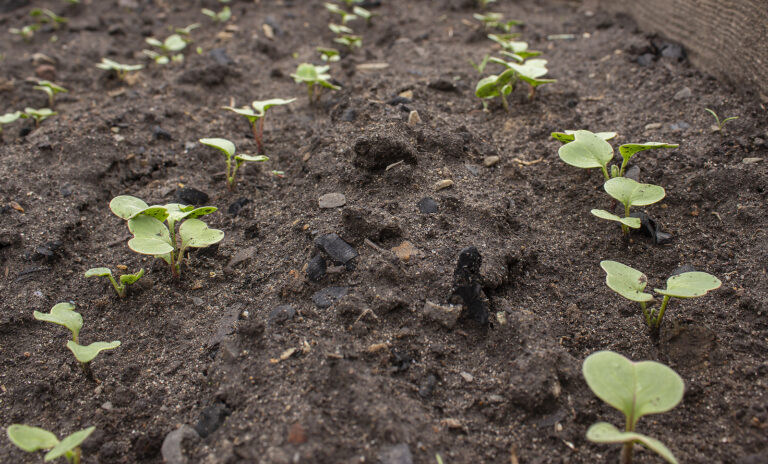
Parsnip Care Guide: Mulching, Weeding, and Protecting Roots

Growing parsnips successfully isn’t just about planting and watering; proper care throughout the season ensures straight, sweet, and smooth roots. After decades of growing parsnips in Sonoma Valley—mainly in raised beds, mounded rows, and even containers—I’ve learned that consistent attention to mulching, weeding, and protecting roots makes all the difference in both quality and yield.
Here’s my complete guide to caring for parsnips from early growth to harvest.
Mulching Parsnips: Keep Soil Moist and Cool
Mulching is one of the most important steps in maintaining healthy parsnip roots.
- Why mulch matters:
- Retains consistent soil moisture
- Suppresses weeds
- Keeps soil temperature steady
- Protects shallow roots from cracking in hot or cold weather
Best Mulch Practices
- Use fine compost, straw, or shredded leaves.
- Apply a 1–2 inch layer around seedlings, being careful not to cover them directly.
- Refresh mulch as needed during the growing season.
My experience:
When I mulch consistently, my rows stay evenly moist, seedlings establish faster, and roots grow straighter. Without mulch, the soil dries unevenly, leading to forked or woody roots.
Weeding: Prevent Competition for Nutrients
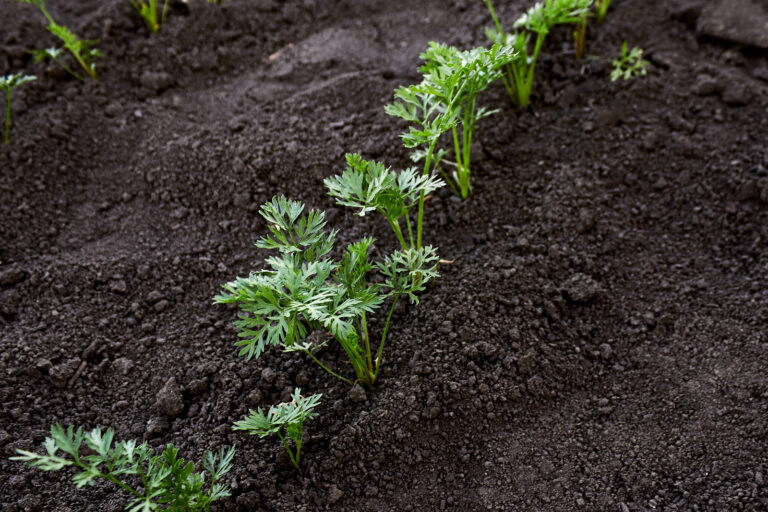
Parsnips grow slowly, and early weeds can compete for nutrients, light, and space.
Weeding Tips
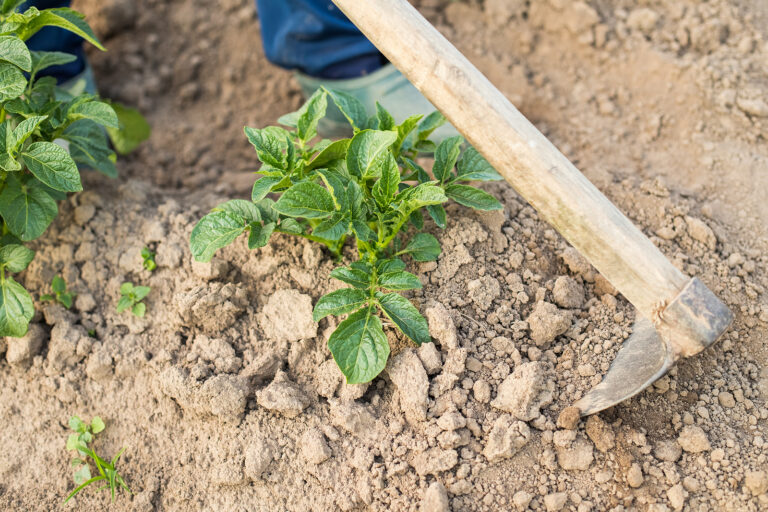
- Hand weed carefully to avoid disturbing roots. Parsnip taproots are fragile.
- Pull weeds when soil is moist, not dry, to minimize root disturbance.
- Avoid deep hoeing near the row; shallow hand removal works best.
- Weed frequently, especially during the first 6–8 weeks of growth.
My experience:
In beds where I let weeds compete, parsnips are smaller and sometimes forked. Frequent, gentle weeding gives consistently strong roots.
Protecting Roots From Damage
Root damage can come from soil compaction, pests, or environmental stress.
Soil Care
- Avoid walking on parsnip beds. Raised beds or mounded rows help keep soil loose.
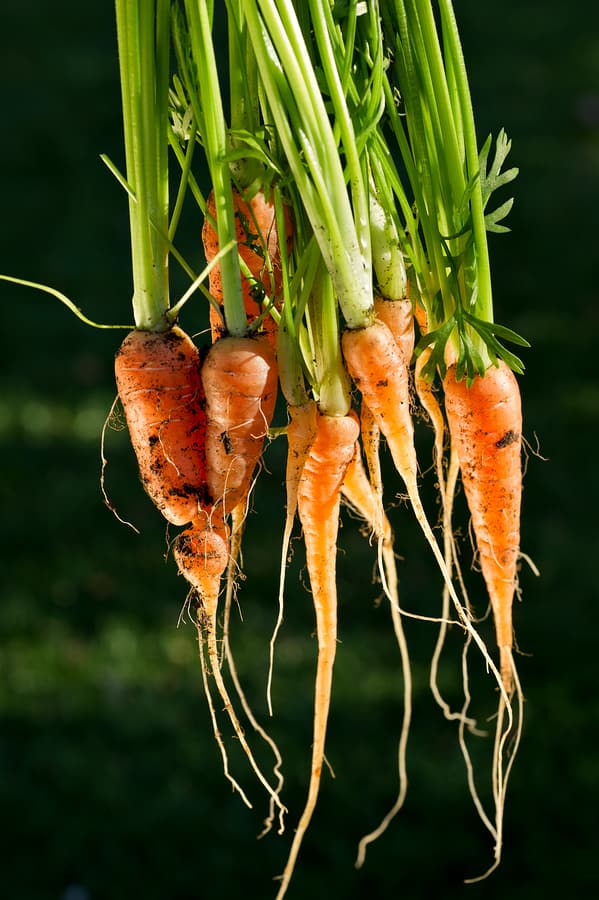
- Keep soil loose and free of rocks, which cause forking.
Pest Protection
- Carrot rust flies and wireworms occasionally attack parsnips.
- Use floating row covers early in the season to prevent egg-laying.
- Rotate crops yearly to reduce pest pressure.
Environmental Protection
- Parsnips tolerate cool weather but extreme heat can stress roots.
- Mulch and shade during hot spells, and maintain consistent moisture.
My experience:
Floating row covers and consistent soil care have prevented most pest and environmental damage in my garden.
Ongoing Maintenance
- Check soil moisture regularly and water deeply if needed.
- Refresh mulch every few weeks.
- Keep an eye on weeds and remove them early.
- Thin seedlings as needed to maintain spacing for straight root growth.
Final Thought
Parsnips reward patient gardeners who provide consistent care. By mulching, carefully weeding, and protecting the roots from pests and environmental stress, you ensure strong, straight, flavorful roots. Following these practices, honed over decades of experience, will make your parsnip harvest a reliable and satisfying success.
Parsnip Learning Hub
Start here: How to Plant, Grow, and Harvest Parsnips: A Complete Guide
Planting & Timing
- When to Plant Parsnips: Best Soil Temperature & Seasonal Timing Explained
- How to Prepare Soil for Parsnips: Bed Prep, pH, and Amendments
- Parsnip Seed Germination Tips: How to Ensure Even, Fast Sprouting
Location & Setup
- Where to Grow Parsnips: Sun, Soil, and Garden Bed Requirements
- How to Grow Parsnips in Raised Beds
- Growing Parsnips in Containers: Soil Mix, Size, and Yield Expectations
Planting Techniques
- Parsnips Seed Starting Tips
- How to Plant Parsnip Seeds for Straight, Long Roots
- Parsnip Spacing Guide: Row Spacing, Thinning, and Root Development
Care & Maintenance
- How to Water Parsnips: Moisture Needs at Every Stage
- How to Feed Parsnips: Fertilizer Timing and Organic Amendments
- Parsnip Care Guide: Mulching, Weeding, and Protecting Roots
Companions & Intercropping
Pest & Diseases
Harvest & Kitchen
- How to Harvest and Store Parsnips
- How to Preserve Parsnips: Freezing, Drying, and Cellaring
- Five Ways to Cook and Serve Parsnips
Varieties