Orange, Yellow, Red, Purple, and White Carrots: How to Choose the Right One

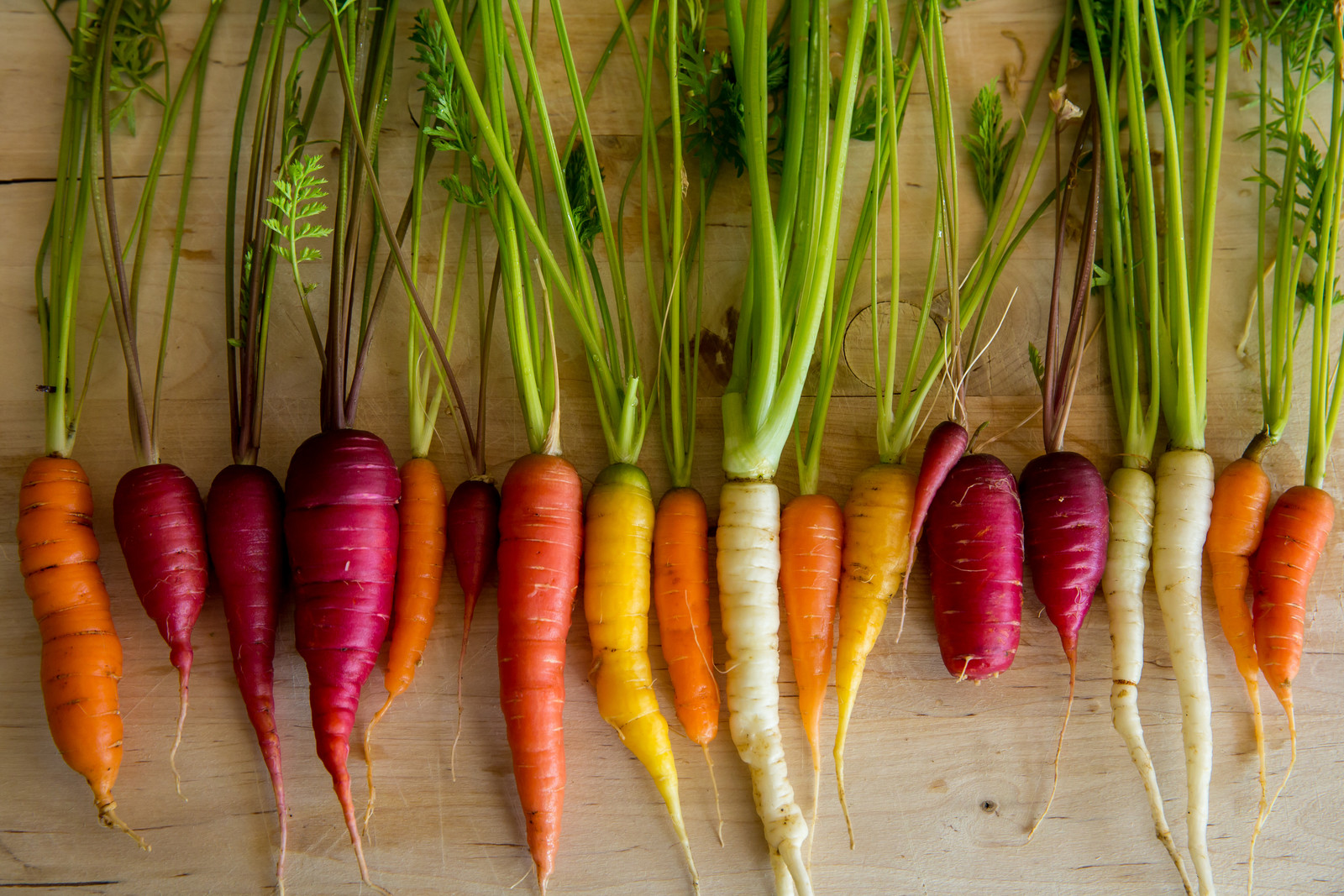
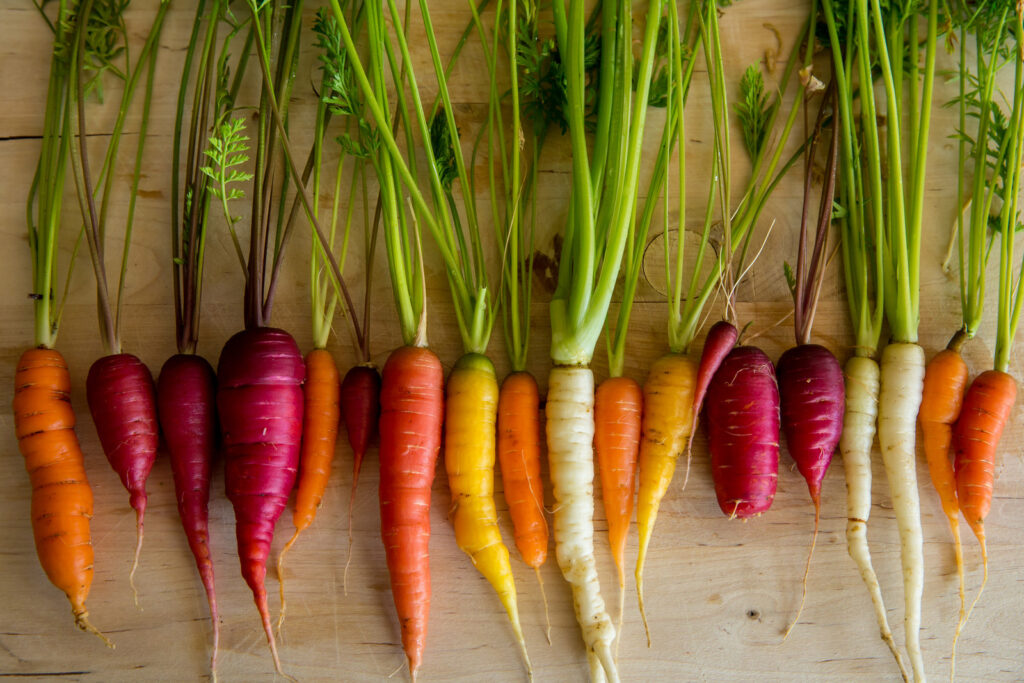
Carrots are more than just orange. From deep purple to creamy white, rainbow carrots offer home gardeners a colorful spectrum of flavors, textures, and nutrients. Choosing the right carrot color depends on your growing conditions, culinary preferences, and visual goals for your garden harvests. Here’s how to pick the best hues for your garden and kitchen.
Orange Carrots: The Classic Choice
Orange carrots are rich in beta-carotene (a precursor to vitamin A) and have a familiar sweet, earthy flavor. They’re great for raw snacking, juicing, roasting, or soups. Varieties like ‘Nelson’ (Nantes), ‘Scarlet Nantes’, and ‘Bolero’ are popular choices for their dependable yields and smooth texture.
Best for: All-around use, high vitamin A, reliable performance in most gardens.
Yellow Carrots: Mild and Kid-Friendly
Yellow carrots tend to be milder and less earthy than orange varieties. Their sunny color stands out in salads and stir-fries, and their sweetness makes them especially appealing to kids. Try ‘Yellowstone’ or ‘Solar Yellow’ for tender, crisp roots.
Know What to Plant This Week
Every week I answer the gardener's most important question: what should I plant now? Get seasonal planting advice free — or go Pro for my full Soil Temperature Garden Report, with soil temperature, moisture, weather trends, and crop-by-crop recommendations.
Best for: Mild flavor, colorful dishes, picky eaters.
Red Carrots: Bold and Beautiful
Red carrots are high in lycopene (the same antioxidant found in tomatoes). Their flavor is slightly spicy and sweet, and they add a bold punch to salads or slaws. Look for varieties like ‘Atomic Red’.
Best for: Antioxidant boost, visual appeal in raw dishes.
Purple Carrots: Striking and Nutritious
Purple carrots boast anthocyanins, powerful antioxidants linked to anti-inflammatory benefits. Some have orange or yellow cores, creating a striking contrast when sliced. They can have a peppery taste when raw but mellow when cooked. ‘Purple Haze’ and ‘Cosmic Purple’ are garden favorites.
Best for: Nutrition-packed harvests, roasted vegetable medleys, color variety.
White Carrots: Mild and Elegant
White carrots are the mildest of all—slightly sweet, with a smooth texture. Though lower in antioxidants, they shine in gourmet cooking and make a beautiful contrast in dishes with multicolored carrots. Try ‘White Satin’ or ‘Lunar White’.
Best for: Mild taste, elegant plating, heirloom varieties.
Tips for Growing Rainbow Carrots
- Grow in loose, stone-free soil for straight roots.
- Plant by color group or mix them for a rainbow row.
- Label clearly—young carrots look identical until harvest.
- Harvest at the right time—colors may deepen as they mature, but don’t let them get woody.
Final Thoughts
Each carrot color has something special to offer—from nutritional benefits to culinary flair. In my 30+ years of gardening, I’ve grown nearly every color, often in the same bed. Kids love pulling a surprise hue from the soil, and chefs love the plate appeal. Try a mix this season and discover your favorites.
Carrot Growing Hub
The Ultimate Guide to Growing Carrots from Seed to Harvest
1. Getting Started (Site & Timing)
- Where to Plant Carrots for the Best Root Development
- When to Plant Carrots: Timing for Every Season
- Carrots Seed Starting Tips
- How to Plant and Grow Carrots in Winter
- Grow Carrots Anytime of the Year in Five Steps
- How to Grow Carrots in Containers or Raised Beds
2. Planting & Varieties
- How to Plant and Space Carrots for Optimal Growth
- Carrot Varieties by Type: Best Picks for Home Gardeners
- Orange, Yellow, Red, Purple, and White Carrots: How to Choose the Right One
- Carrot Companion Plants: What Grows Well Together
3. Growing & Care
- Caring for Carrots Throughout the Growing Season
- How to Water Carrots the Right Way
- Carrot Crop Rotation: What to Plant Before and After
- Carrot and Parsnip Growing Problems: Troubleshooting
4. Harvest, Storage & Use