How to Start Celeriac From Seed Indoors: Germination, Light, and Transplant Tips

Celeriac is slow to germinate and even slower to size up, so starting it indoors has always given me the strongest, most reliable harvests. After decades of raising cool-season crops in Sonoma Valley, I’ve learned that celeriac seedlings need steadiness—steady warmth, steady moisture, and steady light. Give them that, and they’ll transplant beautifully into the garden.
Sowing the Seeds: Light, Warmth, and Patience
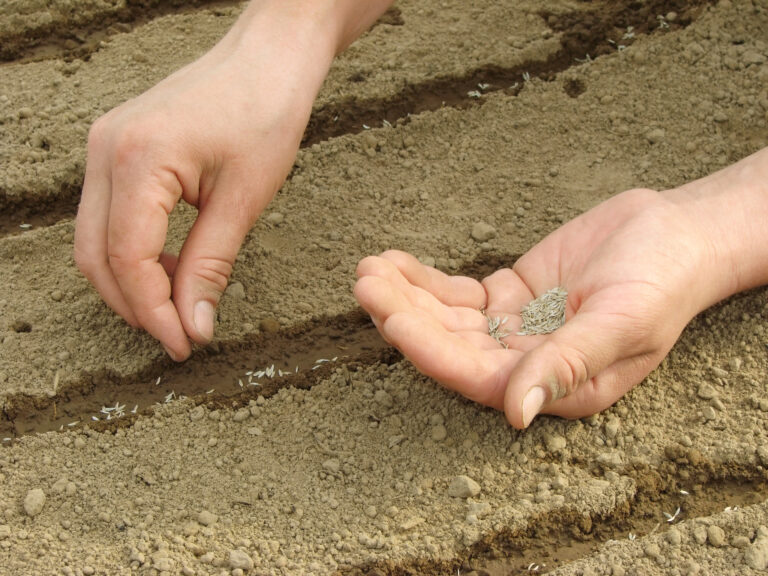
Celeriac seeds need light to germinate, so I press them gently onto the surface of a fine seed-starting mix. I never bury them. A light misting and a clear humidity dome keep the seeds in the moist environment they need without becoming waterlogged.
Over the years, I’ve found that bottom heat is one of the best tools for starting celeriac. A seedling heat mat set to 65–70°F speeds sprouting and encourages uniform germination. Without steady warmth, celeriac can take three weeks or more to emerge.
Moisture: Even and Gentle
Consistent moisture is critical. I’ve learned to water from below whenever possible—just enough to keep the mix damp but never saturated. Celeriac is sensitive to soggy conditions, even at the seedling stage, and overly wet soil can lead to damping-off.
Light: Strong, Bright, and Close to the Seedlings
Once seedlings emerge, they need strong light. Indoors, natural light alone isn’t enough in most homes. I keep seedlings under full-spectrum LED grow lights for 14–16 hours each day. If the lights are too high or too dim, seedlings stretch quickly—and leggy seedlings never develop the sturdy bases needed to form a big root.
Keeping lights just an inch or two above the foliage encourages thick, compact growth.
Transplanting Seedlings: Timing and Technique
I transplant celeriac when seedlings have three to four true leaves and a solid root system. Using deep cell trays or soil blocks helps develop a strong taproot and makes transplanting easier.
A few days before transplanting, I give seedlings a gentle boost with diluted fish emulsion—just enough to strengthen them for the move outdoors. I’ve found that well-fed, sturdy seedlings handle the transition far better than undernourished ones.
My Timing Rule of Thumb
Whether growing a spring or fall crop, I start celeriac indoors 10–12 weeks before transplanting. That long head start ensures a full-sized root before the heat of summer or the cold of winter arrives.
Bottom Line
Starting celeriac indoors gives you control over the early, slow-growing stage that sets the tone for the whole season. With steady warmth, bright light, and a careful transition outdoors, you’ll grow strong seedlings ready to form large, flavorful roots.
Celeriac Learning Hub
Start here: How to Plant, Grow, and Harvest Celeriac: A Complete Guide
Celeriac Planting & Growing Basics
- Best Soil for Celeriac: Texture, Fertility, and pH for Big, Flavorful Roots
- When to Plant Celeriac: Spring and Fall Timing for Every Climate
- How to Start Celeriac From Seed Indoors: Germination, Light, and Transplant Tips
- How to Harden Off and Transplant Celeriac Seedlings
- How to Space and Thin Celeriac Plants for Large, Uniform Roots
Care, Feeding & Watering
- How to Water Celeriac for Steady, Even Root Growth
- Fertilizing Celeriac: Compost, Organic Feeds, and Midseason Boosts
- How to Mulch Celeriac to Retain Moisture and Prevent Weeds
- How to Grow Celeriac in Containers: Soil Mix, Pot Size, and Care Tips
- Common Celeriac Growing Problems and How to Solve Them (Leaf Drop, Small Roots, Slow Growth)
Pests, Diseases & Natural Controls (Combined)
- Celeriac Pests and Diseases: Prevention, and Natural Controls
- How to Keep Celeriac Healthy: Crop Rotation, Soil Renewal, and Garden Sanitation
Harvesting, Storing & Preserving (Combined)
- How to Harvest, Cure, and Store Celeriac for Winter Use
- How to Preserve Celeriac: Freezing, Drying, and Long-Term Storage Options
- Five Ways to Cook and Serve Celeriac
- What to Do With Celeriac: Kitchen Uses, Soups, Salads, and Root-Vegetable Mixes
Companions, Varieties & Garden Planning