How to Prevent 6 Common Tomato and Pepper Problems in Summer

Hot summer weather puts tomatoes and peppers under stress. Most midsummer problems aren’t caused by pests or diseases—they’re the result of heat, inconsistent watering, or nutrient imbalances. The good news is that a few simple practices can keep plants productive through the hottest weeks of the season.
I’ve grown tomatoes and peppers for more than 30 years in California’s warm summer climate and have found that preventing these problems is far easier than trying to correct them after they appear. Consistent watering, healthy soil, and a little protection during extreme heat go a long way toward keeping plants productive all season.
Here’s how to prevent the six most common summer problems.
1. Blossom-End Rot
Symptoms: A dark, sunken, leathery spot develops on the blossom end of tomatoes and peppers.
Know What to Plant This Week
Every week I answer the gardener's most important question: what should I plant now? Get seasonal planting advice free — or go Pro for my full Soil Temperature Garden Report, with soil temperature, moisture, weather trends, and crop-by-crop recommendations.
Cause: Calcium cannot move into developing fruit when soil moisture fluctuates. The problem is usually inconsistent watering—not a lack of calcium in the soil.
How to Prevent It
- Water deeply and consistently.
- Keep soil evenly moist with 2 to 3 inches of organic mulch.
- Avoid allowing plants to dry out between waterings.
- Don’t over-fertilize with high-nitrogen fertilizers, which encourage leafy growth over fruit development.
2. Blossom Drop
Symptoms: Flowers fall from the plant without producing fruit.
Cause: Tomatoes often stop setting fruit when daytime temperatures rise above 90°F or nighttime temperatures remain above 70–75°F. Peppers may also drop blossoms during prolonged heat.
How to Prevent It
- Water regularly before plants become stressed.
- Mulch to keep roots cooler.
- Provide afternoon shade during heat waves using 30 to 40 percent shade cloth.
- Avoid excessive nitrogen fertilizer during flowering.
3. Small Fruit Size
Symptoms: Fruit develops but remains smaller than expected.
Cause: Heat stress, drought, overcrowding, or too many developing fruits competing for water and nutrients.
How to Prevent It
- Water deeply once or twice each week, depending on weather and soil.
- Feed plants with a balanced fertilizer once fruit begins developing.
- Harvest ripe fruit promptly so plants continue producing.
- Remove weeds that compete for moisture and nutrients.
4. Cracked Fruit After Heavy Watering
Symptoms: Circular or lengthwise cracks appear on ripening tomatoes after heavy irrigation or rainfall.
Cause: Fruit expands faster than the skin can stretch after a sudden increase in water uptake.
How to Prevent It
- Maintain even soil moisture throughout the season.
- Water before plants become severely dry.
- Mulch to reduce rapid moisture fluctuations.
- Harvest nearly ripe tomatoes before a forecasted heavy rain when possible.
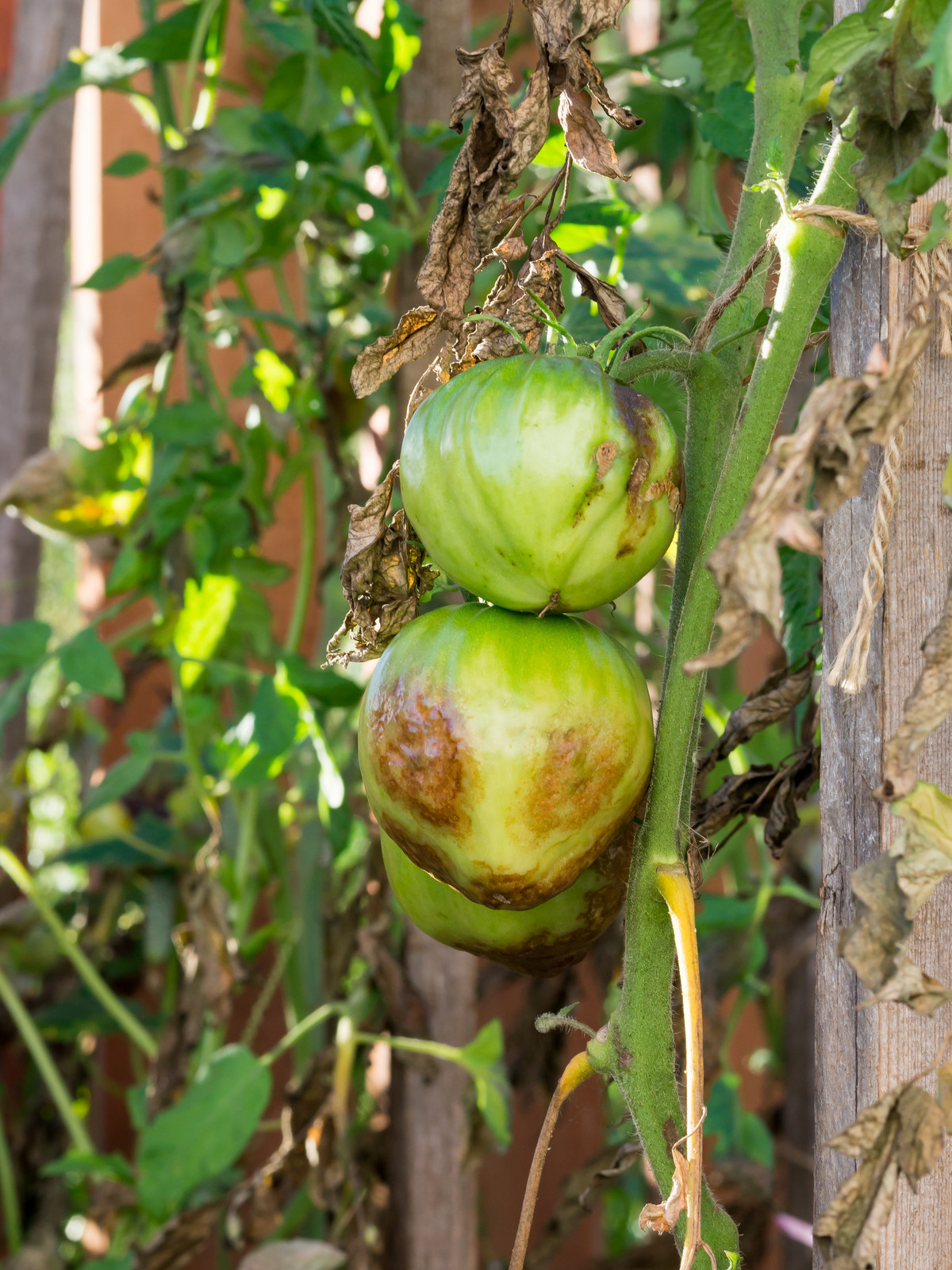
5. Sunscald
Symptoms: White, pale yellow, or tan patches appear on fruit exposed to intense afternoon sun.
Cause: Fruit is suddenly exposed after heavy pruning or leaf loss during extreme heat.
How to Prevent It
- Avoid excessive pruning during summer.
- Maintain healthy leaf cover to shade fruit.
- Use shade cloth during prolonged periods above 95°F.
- Keep plants well watered to reduce leaf stress.
6. Afternoon Wilting
Symptoms: Plants wilt during the hottest part of the day but recover by evening or the next morning.
Cause: Temporary water loss from leaves exceeds the roots’ ability to replace it. Persistent wilting that continues overnight usually signals inadequate soil moisture.
How to Prevent It
- Water deeply before soil becomes excessively dry.
- Mulch to reduce evaporation.
- Water early in the morning.
- Check soil moisture several inches below the surface before watering again.
Summer Success Starts Below Ground
Healthy tomatoes and peppers begin with healthy roots. Even soil moisture, warm—but not overheated—soil, and protection from extreme afternoon heat help plants continue flowering, setting fruit, and producing abundant harvests throughout summer.
The best strategy is simple: water consistently, mulch generously, harvest often, and protect plants during prolonged heat waves. Those four practices prevent most midsummer problems before they begin.