How to Prepare Cut Seed Potatoes for Planting

Preparing cut seed potatoes for planting is a simple but important step to ensure healthy plants and a strong harvest. Cutting large seed potatoes helps you stretch your planting supply and gives each plant plenty of room to develop. Here’s how to do it right.
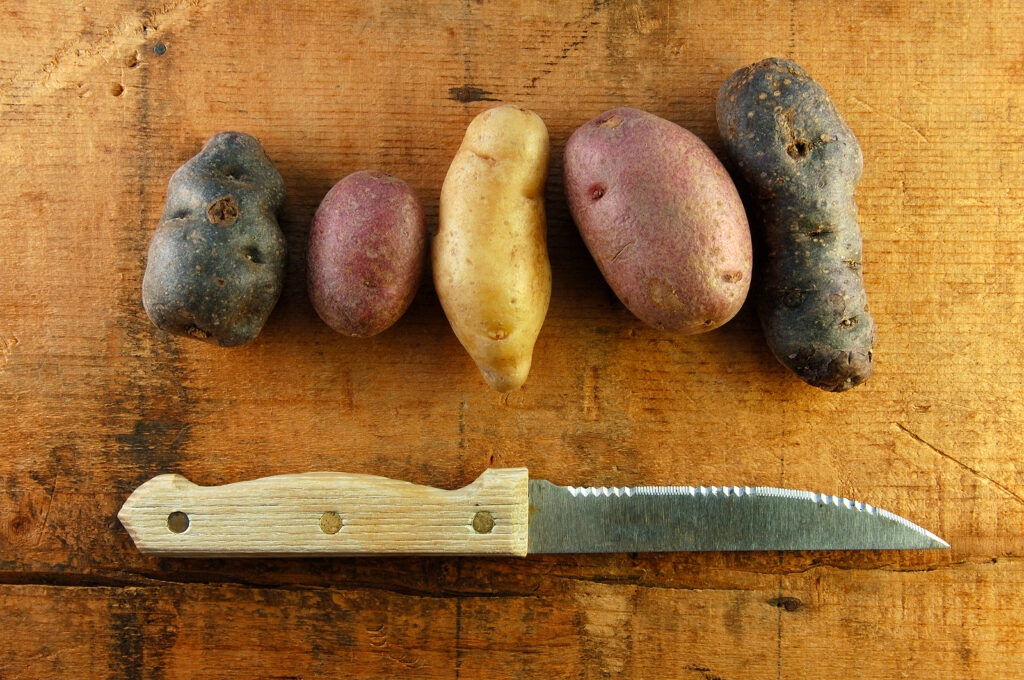
1. Choose Healthy Seed Potatoes
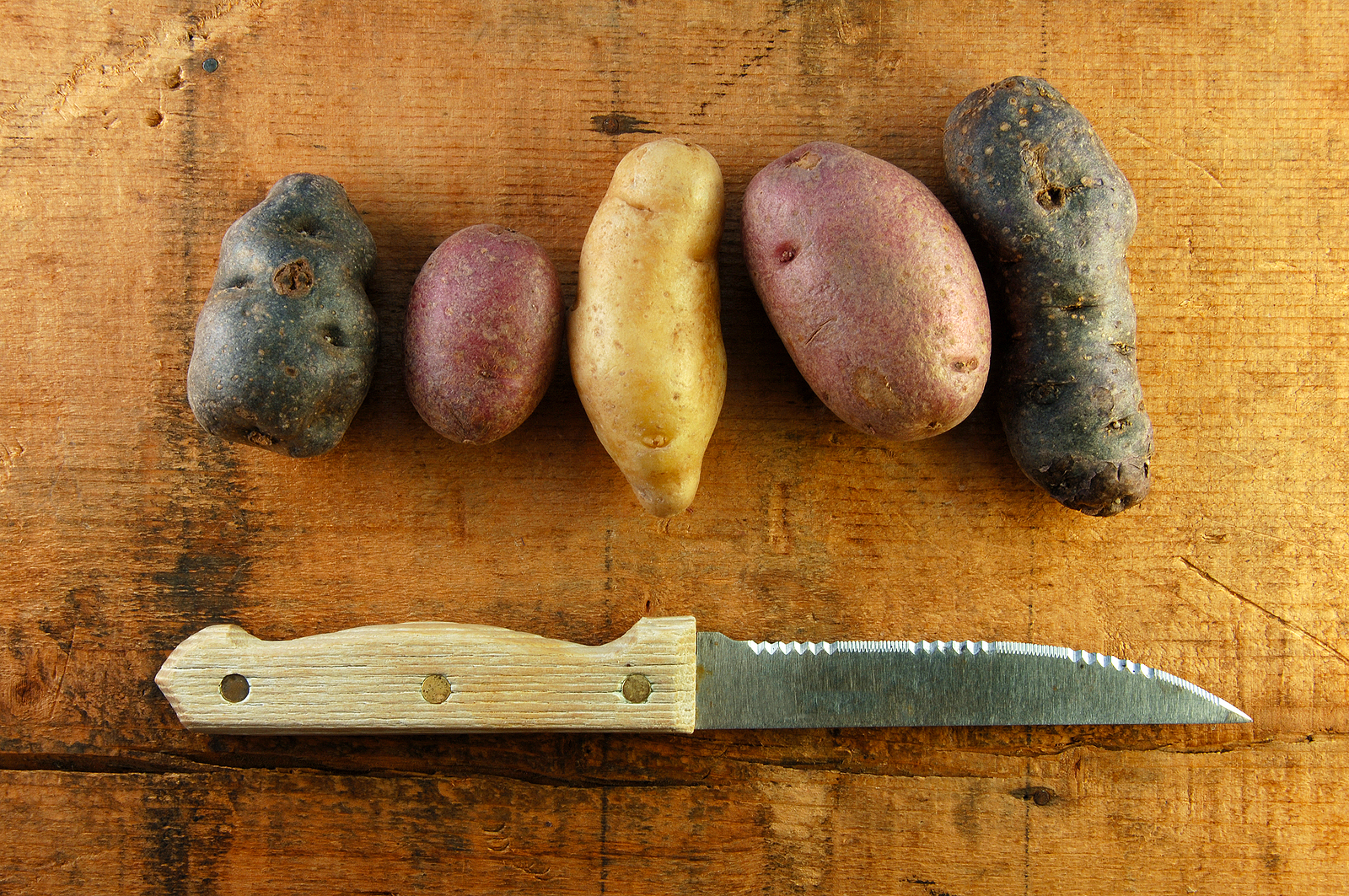
Start with certified disease-free seed potatoes. Avoid using supermarket potatoes, which may carry diseases or have been treated with sprout inhibitors. Select firm, blemish-free tubers with several well-developed “eyes” (the small buds where sprouts will form).
2. Cut Large Tubers into Pieces
If a seed potato is larger than a chicken egg, cut it into smaller pieces—each about 1.5 to 2 ounces. Every piece should have at least one or two strong eyes. Use a clean, sharp knife to make smooth cuts.
3. Cure (Dry) the Cut Pieces
After cutting, let the seed pieces cure before planting. Spread them out in a single layer in a warm, well-ventilated place out of direct sunlight for 1 to 3 days. This allows the cut surfaces to form a dry, protective callus that helps prevent rot in the soil.
4. Dust with Sulfur (Optional)
If your soil is cool and moist, dust the cut surfaces with garden sulfur before curing. This can reduce the risk of fungal infections.
5. Plant in Warm, Loose Soil
Once cured, plant seed pieces about 4 inches deep, eyes facing upward, in loose, well-draining soil. Keep soil temperatures between 45°F and 60°F for best sprouting.
Quick Tip: Don’t cut seed potatoes too far in advance—plan to plant them within a week of cutting for best results.
Potato Seed Cutting Do’s and Don’ts
| Do | Why |
|---|---|
| Use certified, disease-free seed potatoes | Prevents introducing pests and diseases to your garden |
| Cut large tubers into 1.5–2 oz pieces with 1–2 eyes each | Ensures healthy sprouts and maximizes seed potato use |
| Use a clean, sharp knife | Makes smooth cuts that reduce damage and infection risk |
| Cure pieces for 1–3 days before planting | Forms a callus to prevent rot and disease |
| Store cut pieces in a warm, airy location out of sunlight | Promotes proper curing without premature sprouting |
| Plant within 7 days of cutting | Keeps seed pieces fresh and viable |
| Don’t | Why |
|---|---|
| Use supermarket potatoes | May carry disease or be treated to prevent sprouting |
| Leave pieces wet or stacked tightly | Encourages rot and mold growth |
| Cut into very small pieces with only one weak eye | Reduces plant vigor and yield |
| Plant immediately in cold, wet soil | Increases risk of decay and slow sprouting |
| Cut seed potatoes too far in advance | Causes dehydration and weak growth |
Potato Growing Hub
Start here: The Ultimate Potato Growing Guide: From Seed to Harvest
🥔 Varieties & Planting Prep
- Best Potato Varieties for Different Cooking Uses – Detailed profiles on varieties for boiling, baking, mashing, and roasting.
- Guide to Fingerling Potatoes: Growing, Cooking, and Varieties – Spotlight on fingerlings with care tips and culinary uses.
- How to Prepare and Cut Seed Potatoes for Planting – Step-by-step guide to maximize yield and reduce disease risk.
- Seed Potato Starting Tips – Ready your seed potatoes and plant
🌱 Planting & Early Growth
- How to Grow Potatoes in Containers: A Complete Guide – Soil, container size, watering, and harvesting tips for small-space growers.
- Grow Potatoes in Pots and Grow Bags: Seven Easy Steps
- 6 Easy Steps to Grow Organic Potatoes
- Companion Planting with Potatoes: What to Grow Together and Avoid – Maximize garden health and productivity through smart companion planting.
- Growing Potatoes in Mild Winter and Tropical Climates – Specific tips for successful potato cultivation in warmer regions.
- How to Identify Potato Growth Stages and Troubleshoot Problems – Recognize each growth phase and manage issues at every stage.
🌿 Care & Maintenance
- How and When to Hill Potatoes for Bigger Yields – Detailed instructions and timing for hilling to support tuber development.
- Watering Potatoes: Best Practices for Healthy Growth – Provide consistent moisture without risking rot or stress.
- Common Potato Pests, Disease, and Problems: Organic Solutions – Identification and natural control strategies for common pests.
- Crop Rotation Strategies for Potatoes to Prevent Soil-Borne Diseases – Plan your garden for long-term soil health and disease prevention.
🧺 Harvest & Storage
- Harvesting Potatoes: Signs of Maturity and Techniques to Avoid Damage – Know when potatoes are ready and how to harvest carefully.
- How to Harvest and Stoe Potatoes – Ideal temperature, humidity, and storage environments to keep potatoes fresh.
🍽️ Cooking & Kitchen Insights
- Testing Potato Starch Levels: Why It Matters and How to Do It – Understand starch content to choose the right potato for each dish.
- Seven Ways to Cook and Serve Potatoes – Easy ways to serve your potato harvest.
- How to Cook New Potatoes with No Recipe – Here’s how to get those little spuds on the table fast.