How to Improve Clay, Silt, and Sandy Soils Using Regenerative Practices

Regenerative gardening focuses on restoring soil health naturally—working with living systems instead of against them. Whether your soil is heavy clay, silty and compacted, or light and sandy, regenerative practices rebuild structure, increase organic matter, and bring soil biology back to life. Over time, this approach transforms poor soil into a thriving, self-sustaining ecosystem that supports abundant vegetable harvests.
Understanding Soil Types
- Clay soil has very fine particles that hold water but compact easily, limiting air and root movement.
- Silty soil feels smooth and soft but often becomes crusted and waterlogged, restricting drainage and oxygen.
- Sandy soil drains too quickly and struggles to retain moisture and nutrients.
Each soil type benefits from regenerative management that enhances biological activity, improves structure, and balances moisture.
Regenerative Practices for Every Soil Type
1. Feed the Soil Food Web
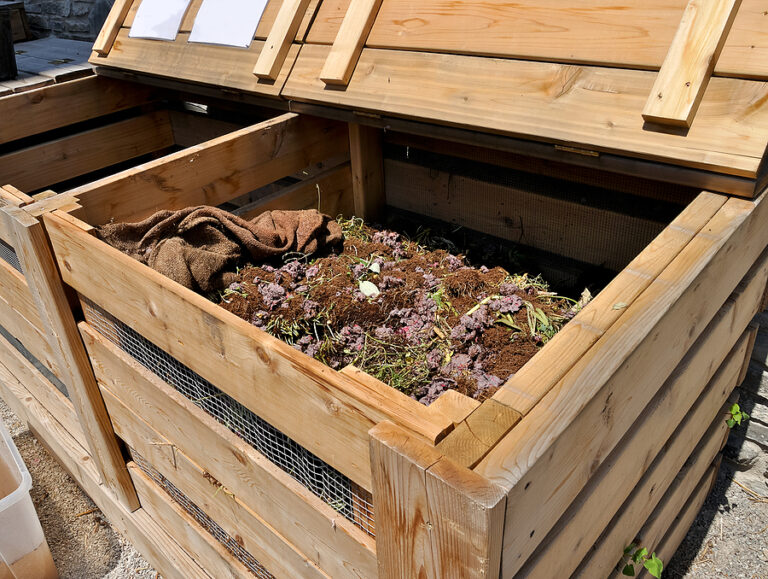
Healthy soil depends on microbial life—bacteria, fungi, nematodes, and earthworms that break down organic matter and build structure. Add compost, worm castings, and decomposed plant material regularly to feed this living network. Avoid synthetic fertilizers and pesticides, which can disrupt it.
2. Keep the Soil Covered
Bare soil erodes quickly and loses carbon. Use cover crops, straw, leaves, or living mulches to protect and insulate the surface. This helps moderate temperature, preserve moisture, and create a steady environment for soil life.
Know What to Plant This Week
Every week I answer the gardener's most important question: what should I plant now? Get seasonal planting advice free — or go Pro for my full Soil Temperature Garden Report, with soil temperature, moisture, weather trends, and crop-by-crop recommendations.
3. Minimize Disturbance
Avoid frequent tilling or deep digging, which break apart soil aggregates and destroy fungal networks. Instead, layer compost and organic matter on top and let worms and microbes do the mixing.
4. Grow Diverse Plant Roots
Different root systems—fibrous, taprooted, and shallow—improve soil texture naturally. Rotate crops and include deep-rooted cover crops like daikon radish or rye to loosen compacted layers and improve aeration.
5. Return Organic Matter to the Soil
After harvest, chop up spent plants and return them to the bed. This recycles nutrients and increases soil carbon—an essential building block for structure and fertility.
Specific Strategies for Each Soil Type
Clay Soil
- Add coarse compost and leaf mold to improve drainage and prevent crusting.
- Plant cover crops like clover or vetch to aerate and enrich the soil.
- Mulch to keep the surface from baking hard in summer.
Silt Soil
- Apply compost and aged manure to improve aggregation.
- Use deep-rooted cover crops to prevent crusting and encourage infiltration.
- Keep soil covered to stop compaction and erosion.
Sandy Soil
- Add organic materials rich in humus, such as compost and biochar, to hold water and nutrients.
- Mulch heavily to conserve moisture and protect soil microbes.
- Use dense cover crops to stabilize the soil surface and add organic residue.
Building Soil Carbon Naturally
Carbon is the foundation of fertile soil. Every regenerative practice—adding compost, minimizing disturbance, growing roots year-round, and keeping soil covered—captures and stores carbon. Higher carbon levels improve water retention, reduce erosion, and provide a steady nutrient source for plants.
My Experience
After decades of hands-on gardening in California’s Central Valley and Sonoma Valley, I’ve seen firsthand how regenerative soil care transforms struggling beds. My first gardens were heavy with clay, but through years of adding compost, cover crops, and mulch, the soil came alive—friable, rich, and full of worms. I’ve also worked with sandy soils that once dried out by noon but now stay moist and fertile thanks to steady organic additions. Regeneration takes time, but the results—a living, resilient soil—are lasting and worth every effort.