How to Grow Parsnips in Raised Beds

Growing parsnips in raised beds is one of the most reliable ways to get long, straight, sweet roots. After decades of gardening in Sonoma Valley, I’ve learned that raised beds solve most of the problems parsnips face in traditional garden soil—compaction, rocks, poor drainage, and uneven moisture. Here’s exactly how to grow your best parsnips using a raised-bed system.
Why Raised Beds Are Ideal for Parsnips
Parsnips thrive where their taproots can grow straight down without obstruction. Raised beds naturally provide:
- Deep, loose soil (12–18 inches or more)
- Excellent drainage
- Warm, workable soil earlier in spring
- Fewer stones and clods to cause root deformities
- Better control over soil texture and fertility
In my garden, raised beds consistently produce the straightest, most uniform parsnips of any method I’ve tried.
Prepare the Soil Properly
Loosen the Bed Deeply
Use a digging fork—not a tiller—to loosen the soil to the bottom of the bed (12–18 inches). Break up clods by hand.
My experience:
Tilling compacts the lower layer of soil and leads to forked parsnips. Hand-forking has always produced better roots.
Add Compost, Not Fresh Manure
- Mix in 1–2 inches of aged compost.
- Avoid raw manure or high-nitrogen fertilizers—they cause hairy, twisted roots.
In raised beds, compost breaks down quickly and creates the fluffy, friable soil parsnips love.
Check pH
Parsnips prefer 6.0–7.0. Adjust before sowing if needed.
Sow Seeds at the Right Time
Parsnips germinate only in cool soil, so timing matters.
- Ideal soil temperature: 50–70°F
- In Sonoma, I usually sow late winter through early spring, once the raised-bed soil has warmed slightly but stays cool.
Use fresh seed each year—old seed sprouts poorly.
Use the Board Method for Reliable Germination
Slow germination is the biggest challenge with parsnips. Raised beds dry out more quickly, so moisture control is essential.
My proven method:
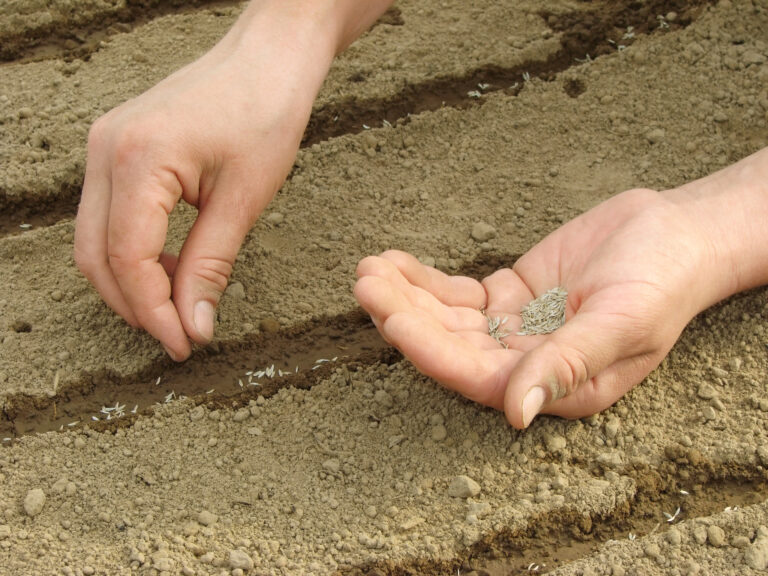
- Sow seeds ½ inch deep in smooth soil.
- Water thoroughly.
- Lay wooden boards directly over the rows.
- Check daily.
- Remove boards as soon as sprouts appear (usually 10–18 days).
This keeps the soil perfectly moist—and has given me the most even parsnip germination of any method.
Thin Early and Carefully
For strong roots, thin when plants reach 2–3 inches high.
- Final spacing: 3–4 inches apart
- Thin gently to avoid disturbing neighboring roots
Raised beds make spacing easier because the soil stays soft and easy to work.
Water Consistently Throughout the Season
Parsnips need regular moisture to grow sweet, tender roots.
Raised bed watering tips:
- Keep the soil evenly moist during germination and early growth
- Don’t let the top few inches dry out
- Water deeply but avoid waterlogging
- Mulch with fine compost or straw to prevent crusting
In my garden, mulch makes the biggest difference—especially during dry summers.
Feed Lightly
Parsnips don’t need much fertilizer.
- Apply compost at planting
- If growth is slow midseason, side-dress with a light layer of compost
- Avoid high-nitrogen feeds
Too much nitrogen leads to lush tops and poor roots.
Protect Against Heat
In warm climates, parsnip foliage can wilt in summer.
- Afternoon shade cloth helps during heatwaves
- Mulch keeps soil cooler and extends root development
- Water in the early morning to reduce stress
Raised beds can warm quickly, so monitoring moisture and temperature pays off.
Harvest at Peak Sweetness
Parsnips taste best after a period of cold.
- Harvest in late fall through winter
- For the sweetest flavor, allow roots to experience a few frosts
- In mild climates like Sonoma, leave parsnips in the bed until needed
I often leave mine in the soil until January—they stay crisp and sweet.
Final Thought
Raised beds make growing parsnips easier, more predictable, and more enjoyable. With deep, loose soil; consistent moisture; and a little cool-season care, you’ll harvest long, sweet roots that store well and taste incredible. Let your raised beds do the work—parsnips will reward you.
Parsnip Learning Hub
Start here: How to Plant, Grow, and Harvest Parsnips: A Complete Guide
Planting & Timing
- When to Plant Parsnips: Best Soil Temperature & Seasonal Timing Explained
- How to Prepare Soil for Parsnips: Bed Prep, pH, and Amendments
- Parsnip Seed Germination Tips: How to Ensure Even, Fast Sprouting
Location & Setup
- Where to Grow Parsnips: Sun, Soil, and Garden Bed Requirements
- How to Grow Parsnips in Raised Beds
- Growing Parsnips in Containers: Soil Mix, Size, and Yield Expectations
Planting Techniques
- Parsnips Seed Starting Tips
- How to Plant Parsnip Seeds for Straight, Long Roots
- Parsnip Spacing Guide: Row Spacing, Thinning, and Root Development
Care & Maintenance
- How to Water Parsnips: Moisture Needs at Every Stage
- How to Feed Parsnips: Fertilizer Timing and Organic Amendments
- Parsnip Care Guide: Mulching, Weeding, and Protecting Roots
Companions & Intercropping
Pest & Diseases
Harvest & Kitchen
- How to Harvest and Store Parsnips
- How to Preserve Parsnips: Freezing, Drying, and Cellaring
- Five Ways to Cook and Serve Parsnips
Varieties