How to Correct Common Soil pH Problems in Vegetable Gardens

Soil pH directly impacts plant health, nutrient availability, and microbial activity. Many gardeners struggle with soil that is too acidic or too alkaline, resulting in stunted growth, poor yields, or nutrient deficiencies. Correcting these issues with regenerative, biology-focused practices restores soil health and creates resilient, productive vegetable beds.
Drawing on decades of hands-on experience gardening in California’s Central Valley and Sonoma Valley, I’ve learned that careful assessment, natural amendments, and supportive techniques are the most effective way to solve pH problems without harming soil life.
Common Soil pH Problems
- Too Acidic (pH < 6.0)
- Symptoms: Yellowing leaves, slow growth, nutrient deficiencies (calcium, magnesium).
- Common Causes: Excessive organic matter decomposition, acid rain, overuse of ammonium fertilizers.
- Too Alkaline (pH > 7.5)
- Symptoms: Interveinal chlorosis, poor iron or phosphorus uptake, reduced microbial activity.
- Common Causes: Native alkaline soils, high lime content, overuse of wood ash or certain fertilizers.
Step 1: Test Your Soil
- Collect samples from multiple spots in your garden.
- Use a home test kit or send samples to a lab.
- Identify whether your soil is acidic, alkaline, or balanced.
Step 2: Select Appropriate Amendments
For Acidic Soils:
- Agricultural Lime: Slowly raises pH and improves soil structure.
- Dolomitic Lime: Adds magnesium while raising pH, ideal for deficient soils.
- Wood Ash: Raises pH moderately; apply carefully to avoid over-alkalizing.
For Alkaline Soils:
- Elemental Sulfur: Converted by soil microbes into mild acid to lower pH gradually.
- Peat Moss: Acidifies soil while adding organic matter.
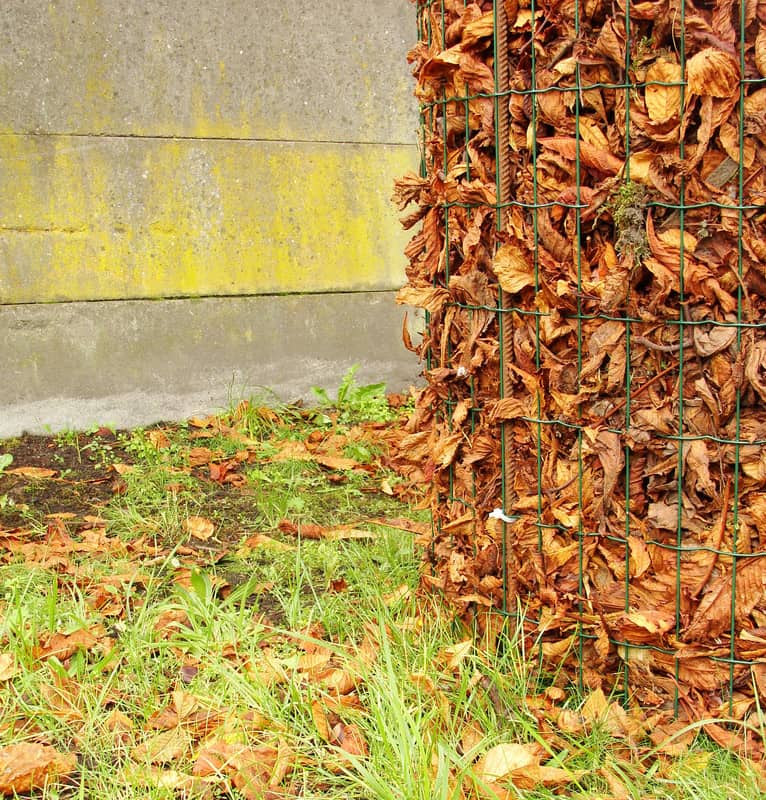
- Acidic Compost Materials: Pine needles, oak leaf compost gently reduce pH over time.
Step 3: Apply Amendments Correctly
- Spread amendments evenly based on soil test recommendations.
- Incorporate lightly into top 6–8 inches of soil without over-tilling.
- Water thoroughly to activate microbial processes that adjust pH.
Step 4: Support Soil Life
Healthy soil biology buffers pH naturally:
- Add Compost: Feeds microbes and stabilizes pH fluctuations.
- Grow Cover Crops: Deep roots and nitrogen-fixing plants improve nutrient cycling.
- Minimize Disturbance: Preserves fungal networks and soil aggregates.
Step 5: Monitor and Adjust
- Retest soil every 6–12 months.
- Observe plant growth and leaf color for signs of nutrient availability.
- Adjust amendments gradually; avoid large, rapid changes that stress soil life.
My Experience
In my early Central Valley gardens, acidic clay soils limited tomato and pepper growth. After adding dolomitic lime and layering compost, plants thrived and roots penetrated more deeply. Conversely, sandy alkaline beds in Sonoma Valley responded well to peat moss and cover crops, improving nutrient availability and microbial activity. Regular testing and regenerative practices keep my vegetable beds balanced and productive year after year—proving that pH correction is most effective when paired with soil biology and long-term care.
Soil pH Problem-Solution Chart for Vegetable Gardens
| Problem | Symptoms | Likely pH Range | Regenerative Solutions |
|---|---|---|---|
| Acidic Soil | Yellowing leaves, slow growth, calcium/magnesium deficiencies | < 6.0 | – Apply agricultural or dolomitic lime – Add wood ash (sparingly) – Compost layering |
| Alkaline Soil | Interveinal chlorosis, poor iron/phosphorus uptake, stunted growth | > 7.5 | – Elemental sulfur application – Peat moss incorporation – Acidic compost (pine/oak leaves) |
| Poor Root Development | Shallow or twisted roots, compacted soil | <6.0 or >7.5 | – Cover crops (daikon radish, rye, alfalfa) – Organic matter addition – Mulch beds |
| Slow Nutrient Uptake | Deficiency signs despite fertilization | <6.0 or >7.5 | – Correct pH gradually – Feed soil biology with compost and cover crops |
| Low Microbial Activity | Soil smells lifeless, few earthworms/fungi | Acidic or alkaline extremes | – Add compost – Grow diverse cover crops – Minimize tillage |
Tips for Using the Chart
- Start with a Soil Test: Match symptoms and pH range accurately.
- Apply Gradually: Avoid overcorrecting; slow changes protect soil life.
- Combine with Regenerative Practices: Use cover crops, compost, and mulch to stabilize pH naturally.
- Monitor and Repeat: Re-test soil each season and observe plant health to adjust as needed.