How to Combine Compost Types for Maximum Soil Health

Using different compost types strategically ensures your garden beds have healthy microbes, balanced nutrients, and ongoing organic matter. By combining inoculating, fertilizing, nutritional, and mulching compost, you can create a self-sustaining soil ecosystem that supports strong plants and high yields, while reducing the need for synthetic inputs.
Step 1: Start With Inoculating Compost
- Purpose: Kickstart soil biology with beneficial microbes, fungi, and worms.
- Application:
- Mix a layer (1–2 inches) of inoculating compost into a new garden bed or sprinkle across existing soil.
- If starting a new bed, add inoculating compost first, under other layers like fertilizing or mulching compost.
- Timing: At bed establishment or when rejuvenating older beds.
Tip: Worm castings or commercially available microbial inoculants work well here.
Step 2: Add Fertilizing Compost for Immediate Nutrients
- Purpose: Provide essential N-P-K nutrients for growing crops.
- Application:
- Mix lightly into the top 2–3 inches of soil or layer over inoculated soil before planting.
- Topdress around growing vegetables if plants show nutrient needs.
- Timing: At planting and periodically during active growth (every 4–6 weeks for heavy feeders).
Tip: Use manure-based compost or balanced organic blends to avoid over-fertilizing.
Step 3: Incorporate Nutritional Compost for Trace Minerals
- Purpose: Supply micronutrients that improve plant health, flavor, and resilience.
- Application:
- Mix or lightly sprinkle over beds after fertilizing compost.
- Nutritional compost can also be layered beneath mulch to feed soil gradually.
- Timing: Annual incorporation or mid-season topdressing for ongoing micronutrient support.
Tip: Include compost with rock dust, kelp meal, or mineral-rich ingredients for a broad spectrum.
Step 4: Apply Mulching Compost for Protection and Slow Feeding
- Purpose: Conserve moisture, suppress weeds, and slowly release organic matter.
- Application:
- Spread 2–4 inches of mulching compost on top of beds, covering fertilizing and nutritional layers.
- Avoid burying seedlings or seeds directly; pull back mulch slightly for planting holes.
- Timing: Year-round, replenishing as it decomposes or settles.
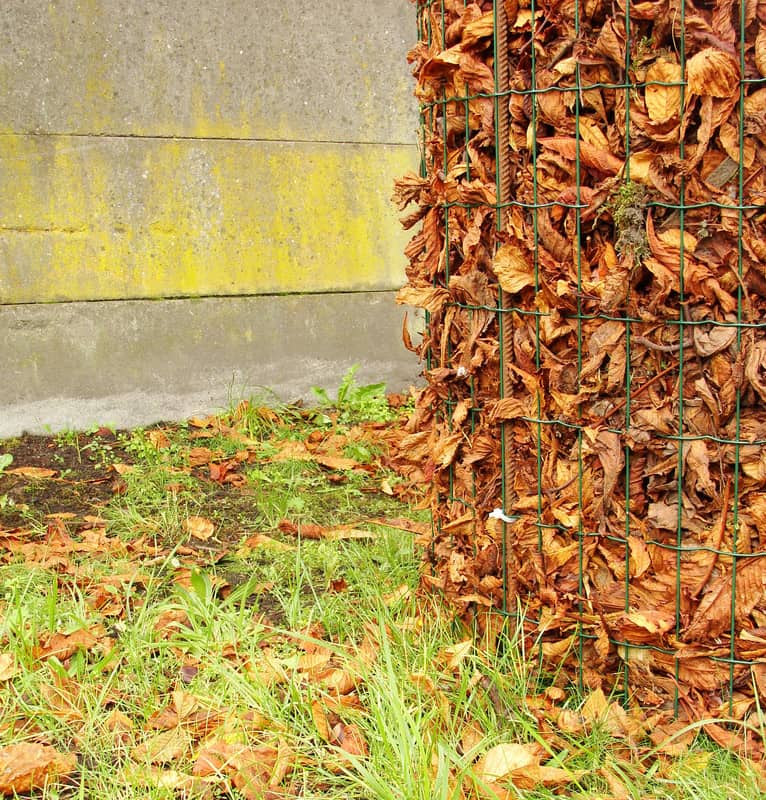
Tip: Coarser materials like chopped leaves, straw, or wood chips are ideal for mulch compost.
Putting It All Together: Layering Strategy
- Base Layer: Inoculating compost
- Nutrient Layer: Fertilizing compost
- Trace Mineral Layer: Nutritional compost
- Top Layer: Mulching compost
Over time, the layers integrate naturally through microbial activity and earthworm tunneling, building a self-sustaining, fertile soil structure that requires minimal future intervention.
Additional Tips for Success
- Avoid stepping on beds—create permanent paths.
- Water layers lightly during dry periods to encourage microbial activity.
- Rotate crops and plant cover crops in off-seasons to maintain soil health.
- Adjust the thickness and frequency of layers based on plant needs and soil tests.
Conclusion
Combining compost types allows you to feed both the soil and the plants intelligently. Inoculating compost builds life, fertilizing compost delivers immediate nutrients, nutritional compost adds trace minerals, and mulching compost protects and slowly enriches beds. Layering them strategically creates a thriving, regenerative garden system that improves season after season with minimal labor.