Building Soil Organic Matter: The Foundation of Regenerative Gardening

Healthy, productive gardens start from the ground up, and the foundation is soil organic matter. In regenerative gardening, organic matter isn’t just compost or mulch—it’s the living, decayed material that fuels microbial life, strengthens soil structure, and sustains nutrient cycles. Without it, soils become compacted, lifeless, and dependent on external inputs.
Why Organic Matter Is the Foundation
Soil organic matter serves as the engine of fertility, supporting plants indirectly by feeding the soil food web. It:
- Feeds microbes and fungi, which convert nutrients into forms plants can absorb.
- Improves soil structure, enhancing aeration, drainage, and root growth.
- Increases water retention, making gardens more resilient during dry periods.
- Stabilizes nutrients, reducing leaching and maintaining balanced soil chemistry.
When soils are rich in organic matter, the ecosystem beneath your plants becomes self-sustaining, productive, and resilient.
How to Build Soil Organic Matter
- Compost Regularly: Add decomposed plant and animal materials to introduce microbes and nutrients.
- Plant Cover Crops: Legumes, grasses, and brassicas add biomass, fix nitrogen, and protect soil.
- Use Mulch: Leaves, straw, or wood chips conserve moisture and feed soil life as they decompose.
- Leave Crop Residues: Returning stems, leaves, and roots to the soil maintains ongoing organic input.
- Minimize Disturbance: Reduce tilling to protect microbial networks and maintain soil structure.
My Experience
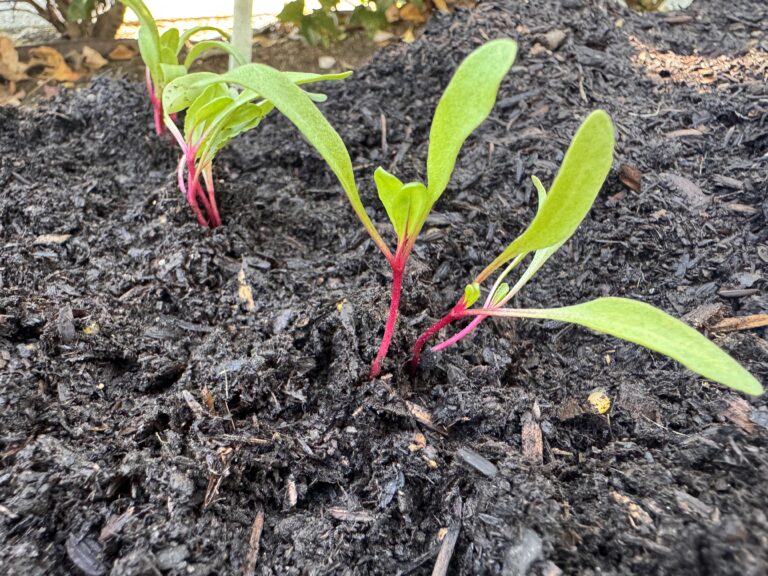
Decades of gardening have shown me the transformative power of organic matter. In beds rich with compost and cover crops, soil becomes dark, crumbly, and full of life. Earthworms and fungi thrive, plants grow stronger, and yields increase naturally without heavy fertilizer applications. This approach demonstrates that feeding the soil builds resilient, self-sustaining gardens.
Know What to Plant This Week
Every week I answer the gardener's most important question: what should I plant now? Get seasonal planting advice free — or go Pro for my full Soil Temperature Garden Report, with soil temperature, moisture, weather trends, and crop-by-crop recommendations.
Practical Tips
- Apply 1–2 inches of compost to beds annually.
- Rotate cover crops to maintain continuous organic inputs.
- Use mulch as both protection and slow-release food for soil life.
- Avoid removing crop residues—leave them to decompose in place.
The Regenerative Takeaway
Organic matter is the backbone of regenerative gardening. By nurturing it, we create soil that is alive, fertile, and resilient, capable of sustaining healthy vegetables season after season. Investing in soil organic matter is investing in the long-term vitality of your garden, ensuring it thrives naturally with minimal external inputs.