Fastest Crops for No-Till Successions

In a no-till garden, speed matters. The quicker a crop matures, the sooner you can replant the bed without disturbing soil structure or microbial life. Fast crops also produce tender root systems that break down quickly, feeding soil organisms and leaving behind friable pathways for the next planting. Below are the top crops for rapid, smooth no-till successions—ideal for gardeners who want to keep every bed productive all season long.
Top Fast-Maturing Crops for No-Till Succession Planting
1. Radishes (20–30 days)
Radishes are the gold standard of speed. Their small taproots decompose quickly, improving soil tilth and aeration.
Best after: lettuce, greens, herbs.
Why no-till friendly: soft roots, minimal residue, easy to cut and drop.
2. Baby Lettuce & Salad Greens (25–35 days)
Cut-and-come-again types work especially well because the roots remain to feed the soil.
Best after: radishes, baby brassicas, scallions.
Why no-till friendly: shallow root systems, rapid turnover, high-value harvests.
3. Arugula (20–28 days)
One of the fastest greens you can grow.
Best after: radishes, lettuce, mustard.
Why no-till friendly: tiny root systems break down in days, not weeks.
Know What to Plant This Week
Every week I answer the gardener's most important question: what should I plant now? Get seasonal planting advice free — or go Pro for my full Soil Temperature Garden Report, with soil temperature, moisture, weather trends, and crop-by-crop recommendations.
4. Baby Mustard Greens (25–35 days)
Fast, flavorful, and cold/heat tolerant depending on the variety.
Best after: radish, turnips, peas.
Why no-till friendly: decomposes quickly, minimal biomass.
5. Spinach (30–40 days baby; 45–55 mature)
Slower than radish but still fast enough for tight rotations.
Best after: lettuce family crops that leave soft root channels.
Why no-till friendly: roots improve soil structure as they decay.
6. Turnips (Baby 35 days; full size 50–60 days)
Baby turnips—especially Japanese types—are excellent for fast no-till cycles.
Best after: salad greens, peas, beans.
Why no-till friendly: smooth roots rot fast, greens add mulch.
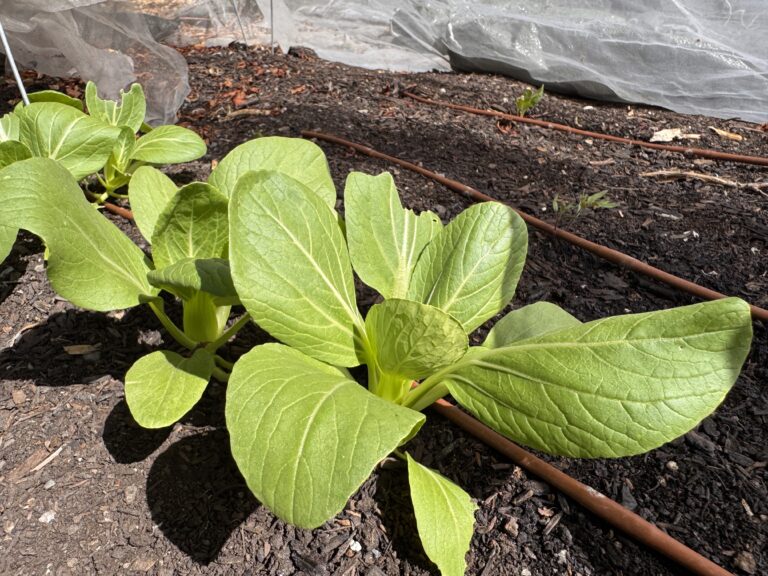
7. Bok Choy and Baby Chinese Cabbage (30–45 days)
Quick brassicas ideal for spring and fall successions.
Best after: lettuce, radishes, garlic.
Why no-till friendly: roots are easy to cut at the surface.
8. Green Onions / Scallions (50–60 days)
Not the fastest, but extremely efficient for stacking successions.
Best after: greens, peas, mustards.
Why no-till friendly: roots create fine channels that improve drainage.
9. Cilantro & Dill (30–45 days for leaf harvest)
Both grow rapidly and replant well into mulched beds.
Best after: radishes, arugula, peas.
Why no-till friendly: feathery roots leave soil loose and rich.
10. Bush Beans (45–55 days)
Quick, nitrogen-fixing, and perfect for warm-season succession.
Best after: greens or spring roots.
Why no-till friendly: roots feed soil N; residues decompose easily.
Best Pairings for Rapid No-Till Successions
| First Crop | Follow-Up Crop | Why It Works No-Till |
|---|---|---|
| Radishes | Arugula, lettuce, cilantro | Soft roots leave perfect planting channels. |
| Baby lettuce | Baby turnips, bok choy | Shallow roots break down immediately. |
| Arugula | Beans, scallions | Leaves soil soft and nutrient-balanced. |
| Bush beans | Fall greens | Adds nitrogen; easy to cut off at soil line. |
| Peas | Any spring green | Nitrogen enrichment boosts leafy crops. |
Tips for Fast No-Till Successions
- Cut crops at the soil line—never pull—so roots remain to decay and feed microbes.
- Add ½–1 inch of compost before replanting to refresh nutrients.
- Keep soil covered with thin mulch so weed pressure stays low between plantings.
- Irrigate immediately after planting to settle seeds into existing root channels.
- Use transplants when possible to gain a time advantage over direct-seeding.
Fast No-Till Succession Crops Chart
| Crop | Days to Maturity | Best Follow-Up Crops | Why It Works in No-Till |
|---|---|---|---|
| Radishes | 20–30 days | Arugula, lettuce, cilantro | Tiny taproots decompose fast; leave perfect channels for seeds. |
| Baby Lettuce / Salad Mix | 25–35 days | Baby brassicas, scallions, cilantro | Shallow roots break down quickly; roots enrich topsoil. |
| Arugula | 20–28 days | Beans, scallions, spinach | Minimal root biomass; breaks down in days. |
| Baby Mustard Greens | 25–35 days | Radishes, peas, turnips | Soft stems and roots; enrich soil with mild biofumigation effect. |
| Spinach (baby) | 30–40 days | Lettuce, radishes, cilantro | Fine roots improve soil structure as they decay. |
| Turnips (baby) | 35 days | Greens, peas, Asian greens | Smooth roots rot fast; greens add organic matter. |
| Bok Choy / Baby Asian Greens | 30–45 days | Lettuce, radish, scallions | Easy to cut at the base; roots break down easily. |
| Green Onions / Scallions | 50–60 days | Lettuce, arugula, spinach | Fine root networks improve drainage and tilth. |
| Cilantro (leaf harvest) | 30–45 days | Radishes, lettuce, beans | Feathery roots leave loose, friable soil. |
| Dill (leaf harvest) | 30–45 days | Lettuce, greens, peas | Soft roots and light biomass decompose quickly. |
| Bush Beans | 45–55 days | Fall greens, lettuce, mustards | Nitrogen-fixing roots stay in soil; easy to cut off at soil line. |
| Peas (for shoots / early pods) | 30–50 days | Greens, herbs, radishes | Add nitrogen; vines compost easily in place. |
| Baby Beets (greens + small roots) | 35–45 days | Arugula, lettuce, dill | Small roots rot quickly; leaves become surface mulch. |
| Baby Carrots (tiny roots) | 45–55 days | Greens, herbs | Thin, fibrous roots enhance soil porosity. |
| Heat-Loving Greens (Tatsoi, Mizuna) | 20–35 days | Beans, basil, cucumbers (transplants) | Rapid turnover, soft stems, great during warm spells. |
1. Season-by-Season No-Till Succession Calendar
This calendar assumes a mild climate like Sonoma Valley, USDA Zone 9b, with year-round growing potential.
| Season | Early Crop | Succession Crop | Notes / Timing |
|---|---|---|---|
| Spring (Mar–May) | Radishes | Lettuce, Arugula, Cilantro | Radishes mature in 20–30 days, allowing almost immediate replanting. |
| Baby Lettuce | Baby Turnips, Bok Choy | Leaves soil loose; quick harvest. | |
| Peas | Spinach, Baby Mustard | Nitrogen fixers feed soil for the next crop. | |
| Late Spring / Early Summer (May–Jun) | Spinach | Bush Beans | Spinach completes; beans enrich soil with N. |
| Baby Mustard | Summer Squash | Rapid turnover, composted mulch protects soil. | |
| Radishes | Summer Herbs (Basil, Dill) | Soft roots feed microbes; mulch keeps weeds down. | |
| Summer (Jun–Aug) | Bush Beans | Lettuce, Arugula | Beans done; plant fast-maturing cool-season crops. |
| Summer Squash | Cucumbers, Baby Greens | Cut at soil line; replant quickly. | |
| Cilantro | Radishes, Lettuce | Leaves and roots decompose; seeds often bolt. | |
| Late Summer / Fall (Aug–Oct) | Lettuce | Baby Turnips, Bok Choy | Soil still warm; succession is rapid. |
| Radishes | Spinach, Arugula | Quick roots allow fast cycles. | |
| Peas (late summer) | Fall Greens | Nitrogen boost for fall crops. | |
| Fall / Early Winter (Oct–Dec) | Kale | Garlic, Onions | Cut at surface; prepare for overwintering bulbs. |
| Baby Turnips | Lettuce, Arugula | Short-season successions before frost. | |
| Bush Beans | Winter Spinach | Leaves nitrogen; roots feed soil microbes. | |
| Winter (Dec–Feb) | Garlic / Onions | Lettuce, Spinach | Overwintered crops provide soil cover; mulch retains moisture. |
| Cover Crops (Fava, Clover) | Early Spring Greens | Chop-and-drop; enriches soil without tilling. |
Notes:
- Keep beds mulched year-round to retain moisture and protect soil life.
- Replant into old root channels whenever possible to speed establishment.
- Adjust timing based on your local frost dates and microclimates.
2. Crops That Can Be Replaced the Same Day (No-Till)
| Finished Crop | Can Be Replanted Same Day | Notes |
|---|---|---|
| Radishes | Lettuce, Arugula, Cilantro, Baby Mustard | Roots decompose quickly; cut at soil line. |
| Baby Lettuce | Baby Turnips, Bok Choy, Spinach | Soft roots leave perfect seedbed. |
| Arugula | Beans (bush), Scallions, Lettuce | Minimal biomass; easy replanting. |
| Baby Mustard | Radishes, Arugula, Spinach | Decomposes in days; adds nutrients. |
| Spinach | Lettuce, Radishes, Baby Greens | Shallow roots; compost topdress enhances growth. |
| Peas | Lettuce, Arugula, Spinach | Nitrogen left behind supports next crop. |
| Bush Beans | Fall Lettuce, Baby Greens, Spinach | Nitrogen-rich roots; easy surface planting. |
| Cilantro / Dill | Radishes, Lettuce, Arugula | Feathery roots enrich soil; mulch keeps moisture. |
| Baby Turnips | Arugula, Lettuce, Spinach | Smooth roots rot fast; quick successions. |
| Bok Choy / Baby Asian Greens | Lettuce, Radishes, Scallions | Cut at soil line; roots leave friable soil. |
| Summer Squash / Zucchini | Cucumbers, Baby Greens | Vines and roots cut at surface; soil ready immediately. |
| Tomatoes / Peppers / Eggplant | Lettuce, Arugula, Spinach | Remove diseased stems; roots decay for next crop. |
Tips for Same-Day Replanting:
- Cut old crops at soil surface (unless root removal is necessary).
- Topdress with ½–1 inch of compost.
- Pull mulch back just enough to plant seeds or transplants.
- Re-mulch lightly around seedlings.
- Water gently to settle soil and activate microbes.