Encouraging Mycorrhizal Networks Naturally: Practical Steps for Regenerative Soil Health

Mycorrhizal fungi are nature’s underground allies, forming symbiotic networks with plant roots that enhance nutrient uptake, water absorption, and soil structure. Encouraging these networks naturally is key to regenerative gardening, where healthy soil supports thriving plants with minimal chemical inputs.
Drawing from decades of hands-on experience in California’s Central and Sonoma Valleys, I’ve found that fostering mycorrhizal life requires a combination of soil stewardship, organic amendments, and living roots.
1. Minimize Soil Disturbance
Tilling severs fungal hyphae, reducing the effectiveness of mycorrhizal networks.
Practical Tips:
- Use broadforks or hand tools for aeration instead of deep plowing.
- Avoid unnecessary digging; let worms and soil organisms do natural mixing.
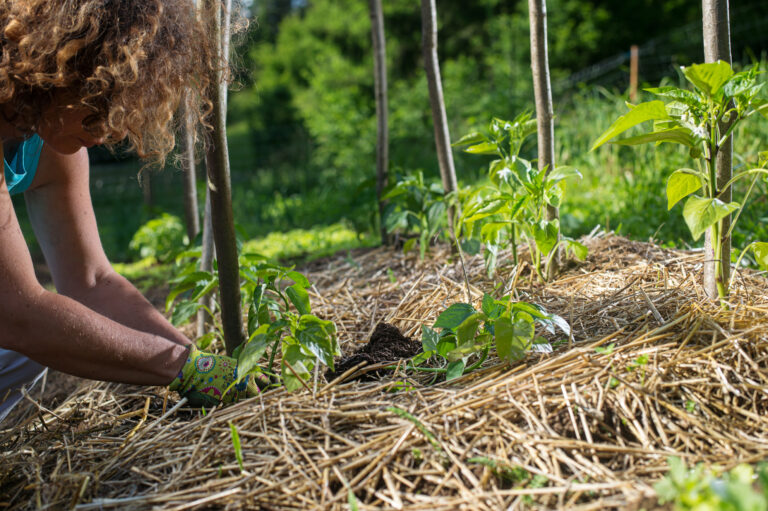
- Maintain mulch or organic cover to protect soil life.
My Insight: Over 30 years, I’ve seen no-till beds consistently outperform tilled beds in both fertility and drought resilience.
2. Add Fungal-Rich Organic Matter
Compost, leaf mold, and woody mulch feed beneficial fungi while improving soil structure.
Practical Tips:
- Apply 1–2 inches of mature compost as a top-dressing.
- Include carbon-rich materials like straw, leaves, or small wood chips.
- Avoid hot, fresh compost that can temporarily harm sensitive fungi.
3. Keep Living Roots in the Soil
Mycorrhizal fungi depend on plant sugars to survive; bare soil starves them.
Practical Tips:
- Grow cover crops between vegetable seasons.
- Plant perennials or intercrops to maintain year-round root activity.
- Rotate crops with legumes and grasses to feed diverse fungi.
4. Avoid Practices That Harm Fungi
To sustain networks:
- Limit synthetic fertilizers, especially high-phosphorus inputs.
- Avoid broad-spectrum fungicides and harsh chemical sprays.
- Prevent prolonged bare soil periods.
5. Observe and Encourage Signs of Healthy Networks
Indicators of thriving mycorrhizal activity:
- White fungal threads weaving through soil and mulch.
- Crumbly, well-aggregated soil that retains moisture.
- Vigorous roots and improved plant growth.
- Increased earthworm activity and reduced disease pressure.
My Experience
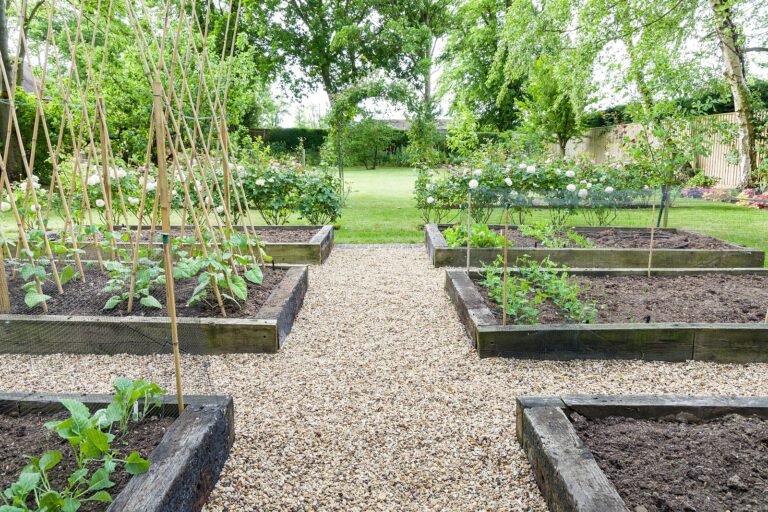
In my regenerative vegetable gardens, applying these practices has led to soil rich in fungal networks, better water retention, and higher yields. Beds left undisturbed, mulched, and amended with compost support living networks year-round, creating a resilient ecosystem that feeds plants naturally. Watching white hyphae thread through the soil is a clear, tangible sign that the system is thriving.
Encouraging Mycorrhizal Networks: Practical Steps and Benefits
| Step | Effect on Mycorrhizal Fungi | Why It Helps Soil & Plants | EEAT Insight from Experience |
|---|---|---|---|
| Minimize Soil Disturbance (No-Till) | Preserves fungal hyphae and underground networks | Maintains soil structure, moisture retention, and nutrient flow | After 30+ years of regenerative gardening, no-till beds consistently outperform tilled beds. |
| Add Fungal-Rich Organic Matter | Feeds fungi, increases diversity | Improves humus, aggregates soil, and enhances nutrient availability | Top-dressing mature compost and leaf mold encouraged visible white fungal threads in my beds within weeks. |
| Keep Living Roots in Soil | Sustains fungi year-round | Continuous plant-fungal symbiosis increases nutrient uptake and drought resilience | Cover crops and perennials kept my soil active through winter, maintaining strong fungal populations. |
| Avoid Synthetic Fertilizers & Chemicals | Prevents fungal suppression | Protects networks, supports beneficial microbial balance | Replacing high-phosphorus fertilizers with organic inputs boosted fungal colonization in my garden. |
| Use Mulch and Carbon-Rich Materials | Provides food and habitat for fungi | Enhances moisture retention, soil structure, and microbial diversity | Applying straw, leaves, and woody mulch led to deeper root growth and healthier crops. |
| Observe Indicators of Healthy Networks | Confirms fungal activity | Helps assess soil health and adjust management practices | White threads, crumbly soil, and active earthworms signal thriving mycorrhizal life in my experience. |
💡 Note:
Following these steps consistently transforms soil into a living ecosystem that supports robust plant growth naturally. In my gardens, attention to fungal life has reduced fertilizer needs, improved drought resilience, and created consistently high yields.