Carrot Varieties by Type: Best Picks for Home Gardeners

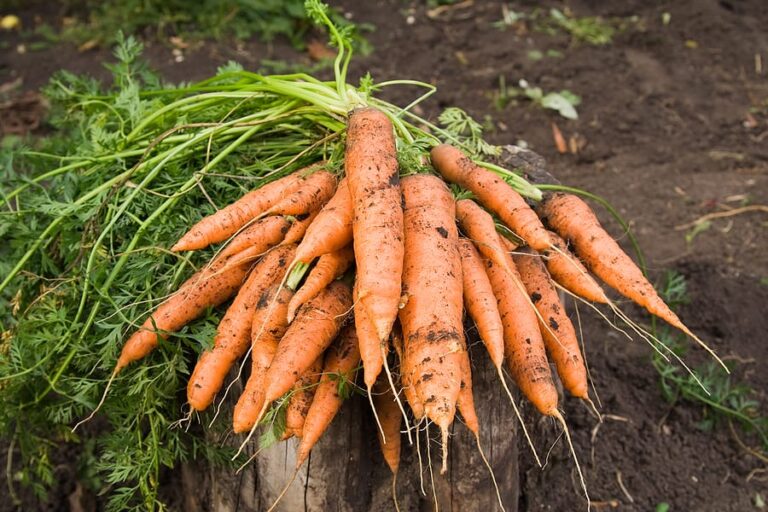
Carrots come in more shapes, sizes, and colors than many gardeners realize. Choosing the right carrot variety for your garden can make a big difference in flavor, texture, and harvest success. Whether you’re growing in deep soil, raised beds, or containers, there’s a carrot type that fits. In this guide, I’ll walk you through the major types of carrots and suggest the best varieties for home gardeners based on decades of growing experience.
Why Carrot Type Matters
Carrot types differ in root length, shape, maturity time, and soil preferences. Selecting the right type for your garden’s soil and climate will help you avoid stunted, forked, or bitter roots.

1. Danvers Carrots
Best for: Loamy or heavy soil, in-ground gardens
Description: Danvers carrots are medium-length (6–8 inches), with a tapered shape and a reputation for reliable performance in average garden soil. They’re less fussy than longer types.
Top Picks:
- Danvers 126 – A reliable heirloom with rich flavor and good storage life.
- Scarlet Nantes – Often grouped with Danvers for its blunt tip and sweet taste.
2. Nantes Carrots
Best for: Raised beds, loose soil, container gardens
Description: Nantes carrots are cylindrical, blunt-ended, and very sweet. Their crisp texture makes them a favorite for fresh eating.
Top Picks:
- Nelson – A fast-maturing Nantes variety known for uniform roots and excellent flavor.
- Bolero – Great disease resistance and stores well.
3. Chantenay Carrots
Best for: Clay or shallow soils
Description: Short, stout carrots with broad shoulders and a conical shape. Chantenay types thrive where other carrots struggle and are excellent for juicing.
Top Picks:
- Red-Cored Chantenay – A classic heirloom with rich, deep-orange cores.
- Hercules – Produces thick, sweet roots in tough soil.
4. Imperator Carrots
Best for: Deep, loose garden soil
Description: These long, slender carrots are the standard in grocery stores. They require well-drained, rock-free soil to avoid forking.
Top Picks:
- Sugarsnax 54 – Extra sweet and high in beta-carotene.
- Tendersweet – Long, smooth roots ideal for slicing.
5. Miniature or Baby Carrots
Best for: Containers, shallow raised beds, quick crops
Description: These small carrots mature quickly and are great for gardeners with limited space.
Top Picks:
- Thumbelina – A round, golf-ball-sized variety that performs well in poor soil.
- Parisian Market – Another round type, popular for its quick growth and crisp texture.
6. Purple, Yellow, and Red Carrots
Best for: Adding color, antioxidants, and fun to your garden
Description: These colorful carrots often belong to one of the above shape types but are bred for vibrant hues and nutritional variety.
Top Picks:
- Cosmic Purple – Purple skin with orange flesh, spicy-sweet flavor.
- Solar Yellow – Bright yellow roots with a crisp, mild flavor.
- Atomic Red – Red-skinned carrots that deepen in color when cooked.
My Top Picks After 30+ Years of Growing Carrots
As a gardener who has grown carrots in everything from Central Valley clay to Sonoma Valley raised beds, I can say without hesitation that Nantes types offer the best balance of flavor, uniformity, and ease of growing. I always have Nelson and Bolero in my spring and fall plantings. For containers, Thumbelina is nearly foolproof. If your soil is dense or compacted, Chantenay types will surprise you with how well they perform.
Final Tips for Choosing Carrot Varieties
- Match carrot type to your soil depth and texture.
- Choose faster-maturing types (like Nantes or miniatures) for spring or late-season sowing.
- Mix colors and types to keep your garden interesting and your diet rich in nutrients.
With the right varieties, carrots can become one of the easiest and most rewarding crops in your garden.
Carrot Growing Hub
The Ultimate Guide to Growing Carrots from Seed to Harvest
1. Getting Started (Site & Timing)
- Where to Plant Carrots for the Best Root Development
- When to Plant Carrots: Timing for Every Season
- Carrots Seed Starting Tips
- How to Plant and Grow Carrots in Winter
- Grow Carrots Anytime of the Year in Five Steps
- How to Grow Carrots in Containers or Raised Beds
2. Planting & Varieties
- How to Plant and Space Carrots for Optimal Growth
- Carrot Varieties by Type: Best Picks for Home Gardeners
- Orange, Yellow, Red, Purple, and White Carrots: How to Choose the Right One
- Carrot Companion Plants: What Grows Well Together
3. Growing & Care
- Caring for Carrots Throughout the Growing Season
- How to Water Carrots the Right Way
- Carrot Crop Rotation: What to Plant Before and After
- Carrot and Parsnip Growing Problems: Troubleshooting
4. Harvest, Storage & Use