The Best Vegetables to Grow in a Fall Garden

Many gardeners think the vegetable season winds down as summer ends. In reality, fall is one of the most productive—and enjoyable—times to grow vegetables.
Cooler temperatures, shorter days, and fewer insect pests create ideal growing conditions for many crops. In fact, vegetables grown in autumn are often sweeter, more tender, and less susceptible to stress than those grown during the heat of summer. A light frost even improves the flavor of several crops by encouraging plants to convert starches into sugars.
I’ve grown fall vegetables in climates ranging from the cold Midwest and New England to the mild winters of Northern California. While planting dates vary by region, the vegetables that perform best are remarkably consistent. The key is selecting crops suited to your growing season and planting them early enough to mature before severe cold arrives.
If you’re planning a fall garden, these vegetables deserve a place in your beds.
Know What to Plant This Week
Every week I answer the gardener's most important question: what should I plant now? Get seasonal planting advice free — or go Pro for my full Soil Temperature Garden Report, with soil temperature, moisture, weather trends, and crop-by-crop recommendations.
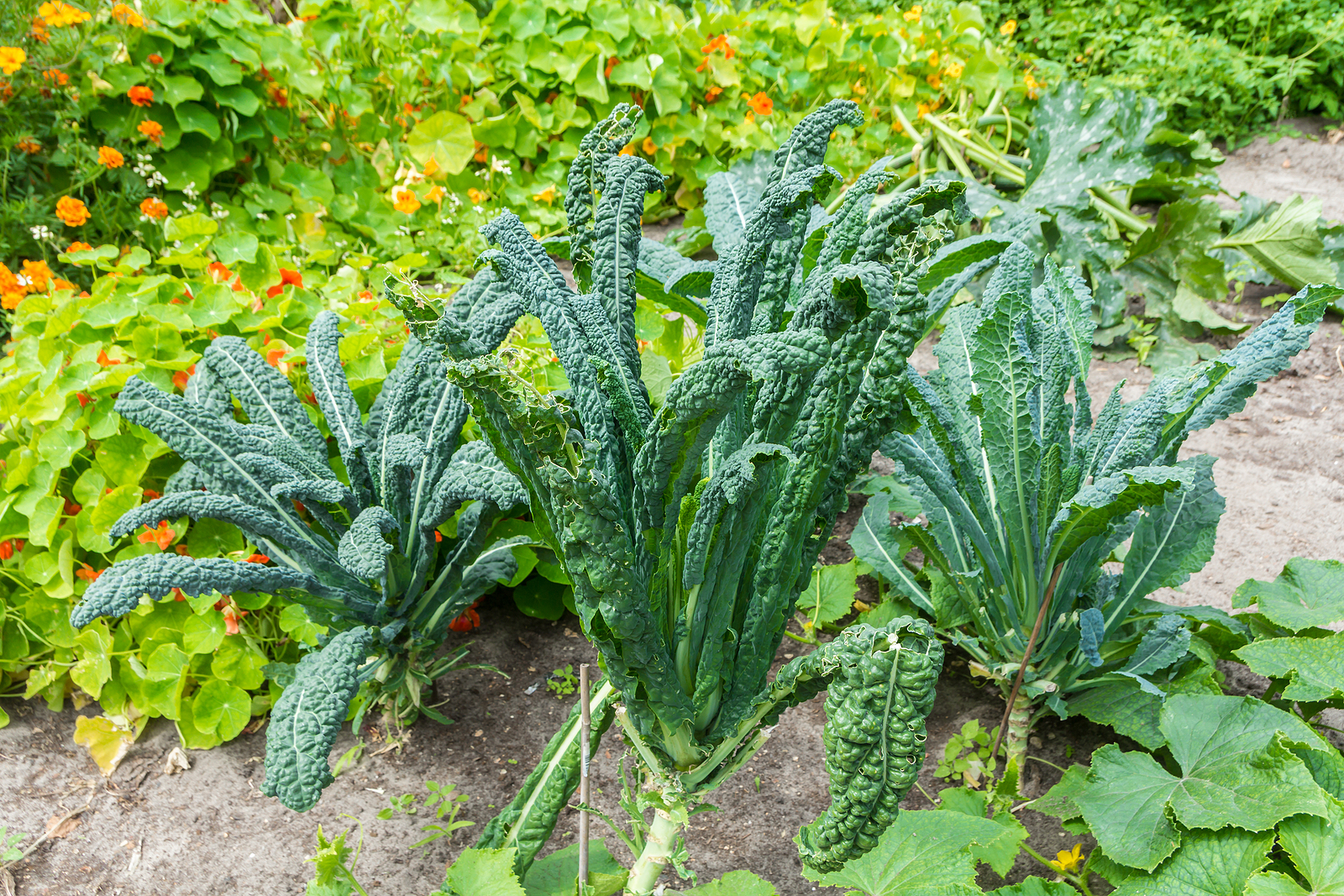
Leafy Greens: The Stars of the Fall Garden
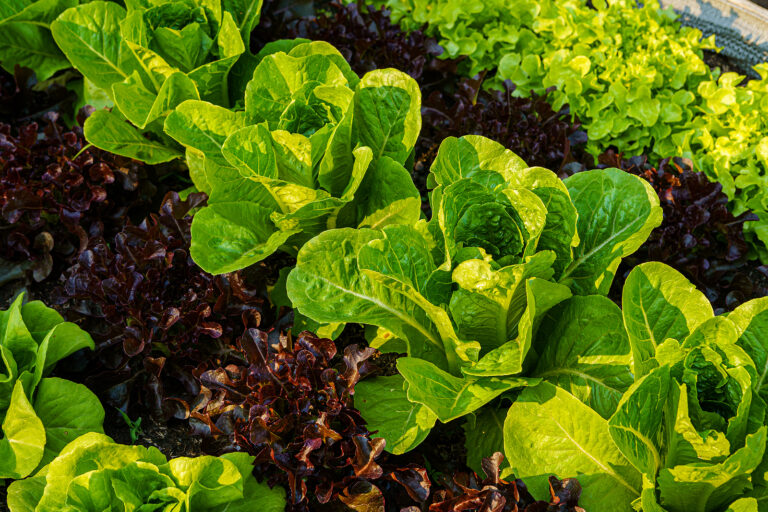
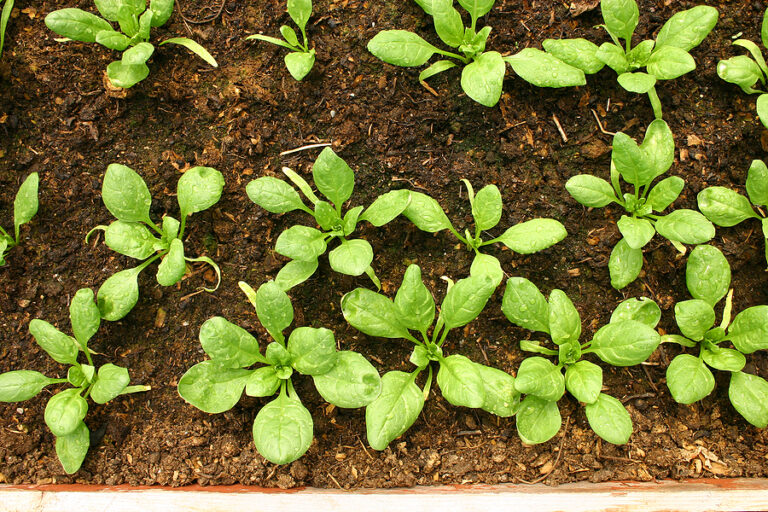
Leafy greens thrive in the cool days and chilly nights of autumn. Most mature quickly, making them perfect for succession planting throughout the season.
Excellent choices include:
- Lettuce
- Spinach
- Kale
- Swiss chard
- Arugula
- Mustard greens
- Endive
- Escarole
Many greens tolerate light frosts with little or no damage. Spinach, kale, and mâche often continue growing well into winter in regions with mild climates.
For continuous harvests, sow small amounts every two to three weeks instead of planting everything at once.
Brassicas Thrive in Cool Weather
The cabbage family reaches its peak in fall.
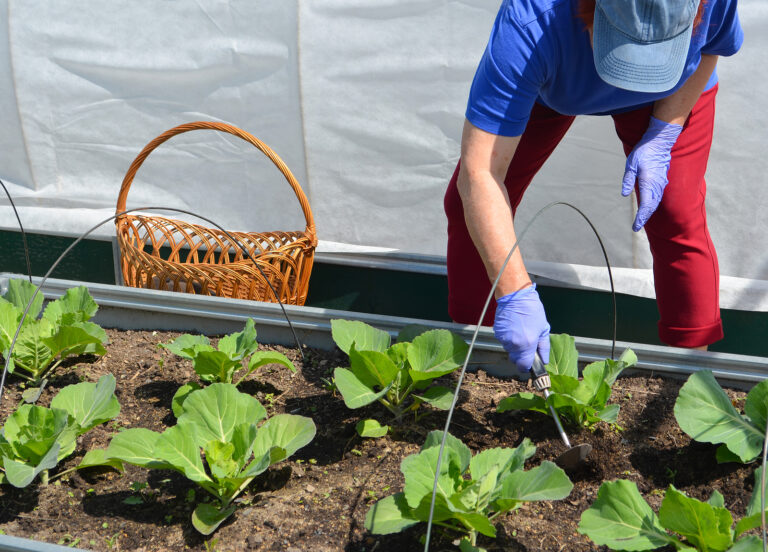
Broccoli, cauliflower, cabbage, Brussels sprouts, and kohlrabi all produce their best quality when they mature during cool weather rather than summer heat.
Popular brassicas include:
- Broccoli
- Cauliflower
- Cabbage
- Brussels sprouts
- Kohlrabi
- Collards
Because brassicas require more time to mature than leafy greens, they’re usually among the first fall crops planted, often while tomatoes and peppers are still producing.
Healthy soil enriched with compost and consistent watering encourage steady growth and large, flavorful harvests.
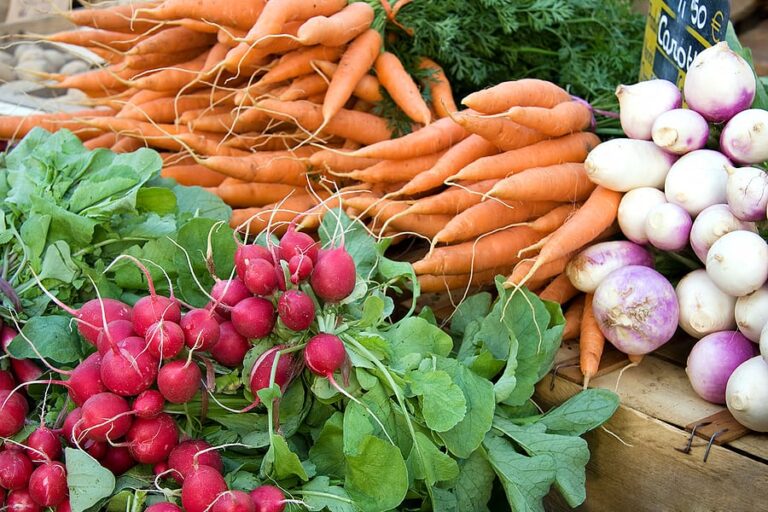
Root Crops Grow Sweeter After Frost
Root vegetables are among the easiest crops for fall gardens.
Cool soils encourage slow, steady root development, while frost improves sweetness in many varieties.
Reliable choices include:
- Carrots
- Beets
- Turnips
- Radishes
- Rutabagas
- Parsnips
Carrots are especially notable for becoming sweeter after exposure to cold temperatures. In many climates, they can remain in the ground until needed for harvest.
Loose, stone-free soil produces the straightest, smoothest roots.
Peas Enjoy Autumn’s Mild Temperatures
Many gardeners associate peas with spring, but they’re equally well suited to fall where the growing season allows.
Plant:
- Snap peas
- Snow peas
- Shelling peas
Peas appreciate cool weather and consistent soil moisture. In regions with long autumns and mild winters, they may continue producing until hard freezes arrive.
Provide a trellis at planting time so vines can climb immediately.
Garlic: Plant Once, Harvest Next Summer
Garlic is one of the easiest crops to include in the fall garden.
Unlike most vegetables, garlic is planted in autumn and harvested the following summer.
Separate bulbs into individual cloves and plant them with the pointed end facing upward about four to six weeks before the ground freezes in cold climates, or later in regions with mild winters.
Softneck garlic performs best in warm-winter regions, while hardneck varieties are generally better adapted to colder climates.
A layer of mulch helps moderate soil temperatures and reduces winter weeds.
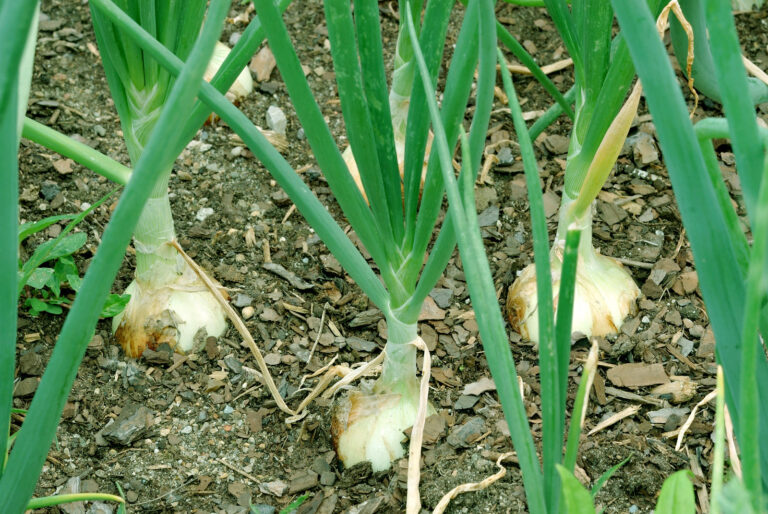
Onions for Overwintering
Many gardeners also plant onions in fall.
Depending on your climate, you may plant:
- Onion seeds
- Onion sets
- Onion seedlings
Overwintered onions establish strong root systems during cool weather and resume rapid growth in spring.
Choose varieties adapted to your latitude. Short-day onions perform best in southern regions, intermediate-day onions suit many central areas, and long-day onions are ideal for northern climates.
Asian Greens Grow Quickly
Asian greens are among the fastest and most productive vegetables for fall.
Many mature in less than six weeks and tolerate cool temperatures remarkably well.
Favorites include:
- Bok choy
- Tatsoi
- Mizuna
- Komatsuna
- Tokyo bekana
- Chinese cabbage
These vegetables produce tender leaves perfect for salads, stir-fries, and soups.
Like lettuce, they’re ideal candidates for succession planting throughout autumn.
Fast Crops Deliver Quick Harvests
Not every vegetable requires months to mature.
Fast-growing crops provide harvests while longer-season vegetables are still developing.
Excellent quick crops include:
- Radishes
- Baby lettuce
- Arugula
- Spinach
- Baby bok choy
- Mustard greens
- Green onions
- Baby turnips
Many of these vegetables can be harvested in as little as 25 to 45 days.
Repeated sowings every two weeks ensure a steady supply.
Cold-Hardy Crops Extend the Season
Some vegetables continue producing long after others have stopped.
The most cold-tolerant crops include:
- Kale
- Spinach
- Brussels sprouts
- Collards
- Parsnips
- Mâche
- Claytonia
- Leeks
In many regions, these vegetables survive repeated frosts and can remain in the garden well into winter.
Some gardeners harvest fresh greens even after snowfall by protecting plants with row covers or low tunnels.
Choosing the Right Crops for Your Region
The best vegetables for your fall garden depend on both your climate and the length of your growing season.
Short-Season Regions
Choose fast-maturing vegetables such as:
- Spinach
- Lettuce
- Radishes
- Asian greens
- Baby carrots
Moderate Climates
Grow a wider selection, including:
- Broccoli
- Cabbage
- Cauliflower
- Beets
- Peas
- Carrots
Mild-Winter Regions
Gardeners in Zones 8 through 10 often enjoy the longest fall planting season. In addition to the crops above, they can grow:
- Garlic
- Onions
- Fava beans
- Broadleaf greens
- Overwintering brassicas
In these regions, fall often becomes the primary vegetable gardening season.
Build Your Fall Garden Around Diversity
Rather than planting large quantities of one vegetable, combine crops with different growth habits and maturity dates.
A balanced fall garden might include:
- Leafy greens for continuous harvest
- Brassicas for dependable main crops
- Root vegetables for storage and winter use
- Peas for fresh eating
- Asian greens for quick harvests
- Garlic and onions for next year’s kitchen
This diversity provides harvests over many months while making the most efficient use of garden space.
My Favorite Fall Garden Combination
After years of growing vegetables in several climates, I’ve found that a diverse planting always delivers the most rewarding harvest.
Each fall I make room for broccoli, carrots, spinach, kale, lettuce, beets, and garlic. I tuck quick-growing Asian greens and radishes into open spaces between slower crops and sow lettuce every few weeks for a continuous harvest. This combination keeps fresh vegetables coming from early autumn until winter and often into spring in mild climates.
The secret to a successful fall garden isn’t planting everything—it’s choosing vegetables that thrive in cool weather, matching them to your growing season, and planting them at the right time. With thoughtful planning, your fall garden can be every bit as abundant as your summer one—and often even more enjoyable to grow.
This article is part of my fall gardening series—see The Complete Guide to Fall Vegetable Gardening: Planning, Planting, Growing, and Harvesting for the full seasonal framework.
Further Reading
- The Best Vegetables to Grow in a Fall Garden
Start here to choose the right crops. - When to Plant Fall Vegetables: Soil Temperature, First Frost Dates, and Nature’s Signals
Learn how to determine the ideal planting time using three reliable seasonal indicators. - The Harvest to Table Soil Temperature Guide for Fall Vegetables
Learn which soil temperatures signal it’s time to plant each crop. - Fall Vegetable Planting Calendar by USDA Zone
Translate soil temperatures into planting dates for your region. - How to Transition Your Vegetable Garden from Summer to Fall
Prepare beds, remove spent crops, and get the garden ready. - How to Successfully Start Fall Vegetables During Summer Heat
Overcome the biggest challenge of fall gardening—getting seeds and transplants established in hot weather. - The Best Fall Vegetable Varieties for Reliable Harvests
Choose varieties that mature quickly and tolerate cooler weather. - How to Care for Fall Vegetable Crops
Keep plants growing through autumn with proper watering, feeding, and frost protection. - When and How to Harvest Fall Vegetables
Know when crops reach peak flavor and quality. - What to Do in the Vegetable Garden Each Month: July Through November
Use this month-by-month guide as your seasonal checklist from planting through harvest.