What Happens to Squash During Extreme Heat? How to Protect Summer and Winter Squash

Squash plants seem built for summer.
Their large leaves, vigorous vines, and rapid growth make them some of the most productive vegetables in the garden. Yet even these heat-loving plants can struggle when temperatures climb into the upper 90s or exceed 100°F for several days.
Gardeners often notice flowers falling off, tiny squash turning yellow, or plants suddenly appearing wilted despite regular watering. These symptoms can be alarming, but they rarely mean the plant is dying.
I’ve grown summer squash and winter squash for more than 30 years in California and in gardens across Iowa, Massachusetts, and Florida. What I’ve learned is that squash plants are remarkably resilient. Most survive extreme heat with little permanent damage. The key is understanding how heat affects flowering, pollination, fruit development, and water use so you can help plants recover quickly and continue producing.
Here’s what happens to squash during extreme heat—and what you can do about it.
Squash Loves Warm Weather—but Has Limits
Squash is a warm-season crop that thrives in summer.
Ideal growing temperatures are:
- Daytime: 70°F to 90°F (21°C to 32°C)
- Nighttime: 60°F to 70°F (16°C to 21°C)
Within this range, plants grow rapidly, produce abundant flowers, and develop fruit quickly.
Problems begin when daytime temperatures remain above 95°F, especially when nights stay warm and soil moisture becomes inconsistent.
Flowers May Stop Producing Fruit
One of the first signs of heat stress is poor fruit set.
Squash plants continue producing flowers, but fewer develop into squash.
Extreme heat can reduce pollen viability and shorten the amount of time flowers remain receptive to pollination. Pollinating insects may also become less active during the hottest part of the day.
The result is:
- Flowers open normally.
- Pollination fails.
- Tiny fruit stops growing.
- Young squash turns yellow and drops off.
This temporary pause usually ends when temperatures moderate.
Tiny Squash Turn Yellow and Fall Off
Many gardeners mistake this for disease.
In reality, it often means the flowers weren’t successfully pollinated.
Without fertilization, the small fruit cannot continue developing.
Heat, dry soil, and reduced bee activity all contribute to this problem.
Inspect the tiny fruit.
If it shrivels within a few days after flowering, poor pollination is usually the cause.
Afternoon Wilting Isn’t Always Dangerous
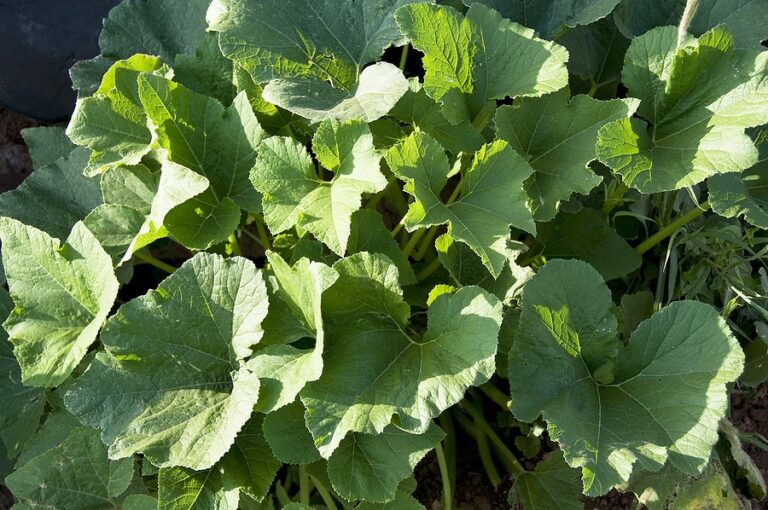
Large squash leaves naturally lose water quickly during hot afternoons.
Temporary wilting between noon and evening is often normal.
Healthy plants usually recover overnight.
However, if leaves remain wilted the following morning, the plant likely needs water or is experiencing severe stress.
Morning recovery is a better indicator of plant health than afternoon appearance.
Fruit Can Develop Sunscald
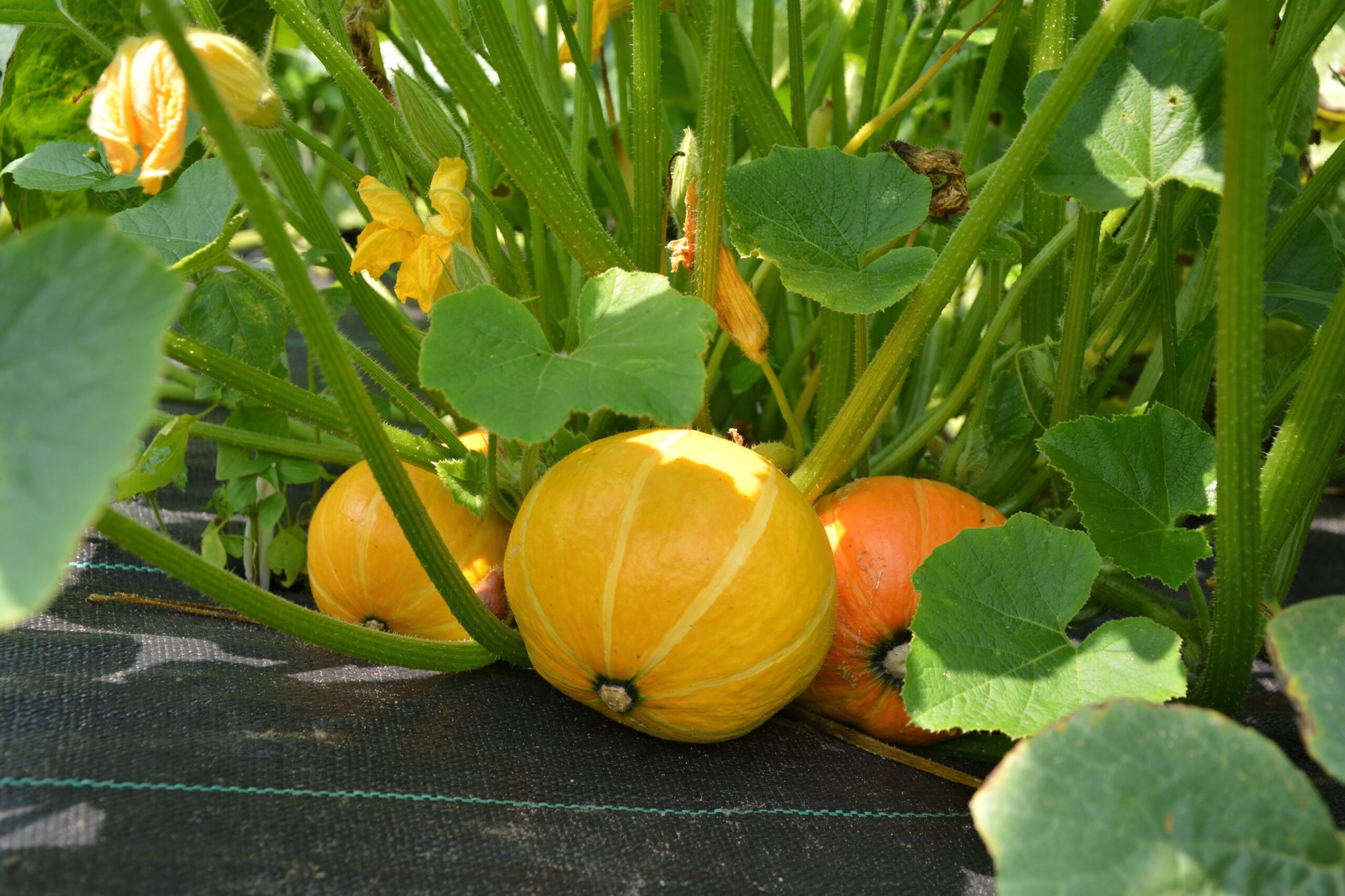
Large squash leaves normally shade developing fruit.
When leaves wilt repeatedly or are removed through heavy pruning, fruit becomes exposed to intense sunlight.
Sunscald appears as:
- White patches
- Yellow areas
- Soft tissue
- Sunken spots
Avoid removing healthy leaves during hot weather.
They are your squash plant’s natural sunscreen.
Growth Slows During Heat Waves
When temperatures exceed 95°F, squash plants often redirect energy from growth toward survival.
You may notice:
- Slower vine growth
- Fewer flowers
- Smaller leaves
- Delayed fruit development
This slowdown is temporary.
Healthy plants usually resume vigorous growth once temperatures fall.
Water Needs Increase Dramatically
Squash plants have large leaves that lose significant amounts of water through transpiration.
During heat waves they require:
- Deep irrigation
- Consistent moisture
- Well-drained soil
- Morning watering whenever possible
Avoid frequent shallow watering, which encourages shallow roots that dry quickly.
Deep watering helps roots remain cooler and more resilient.
Mulch Makes a Big Difference
Organic mulch protects the root zone from extreme temperatures.
Apply 2 to 4 inches of:
- Straw
- Shredded leaves
- Compost
- Pine needles
- Dried grass clippings
Mulch:
- Reduces evaporation
- Keeps soil cooler
- Suppresses weeds
- Improves soil over time
Cool roots help squash plants remain productive longer.
Should You Use Shade Cloth?
During prolonged stretches above 100°F, temporary shade cloth can reduce plant stress.
Thirty percent shade usually provides enough protection without significantly reducing growth.
Shade cloth helps:
- Lower leaf temperatures
- Reduce water loss
- Improve pollination conditions
- Protect developing fruit
Remove temporary shade once temperatures return to normal.
Harvest Frequently
Regular harvesting encourages continued flowering.
Summer squash such as zucchini and yellow squash should be picked while still young and tender.
Leaving oversized fruit on the plant signals that seed production is complete, reducing new flower production.
Frequent harvesting keeps plants productive throughout the season.
Winter squash should remain on the vine until mature, but damaged or sunscalded fruit should be removed promptly.
Encourage Pollinators
Squash depends heavily on bees.
During extreme heat:
- Water flowering companion plants.
- Avoid insecticides.
- Grow nectar-rich flowers nearby.
- Water early before bees become active.
Good pollination becomes even more important when flowers remain open for shorter periods.
Will Squash Recover After a Heat Wave?
Almost always.
Healthy squash plants frequently begin producing heavily again once:
- Daytime temperatures fall below about 90°F.
- Nights become cooler.
- Soil moisture stabilizes.
Many gardeners enjoy their best squash harvests after the hottest part of summer has passed.
Patience often pays off.
Frequently Asked Questions
Why are my baby squash turning yellow?
The most common cause is incomplete pollination, which becomes more common during periods of extreme heat.
Can squash survive 100°F?
Yes. Healthy plants usually survive triple-digit temperatures with adequate water, mulch, and protection from severe moisture stress.
Should I remove wilted leaves?
Remove only leaves that are dead or diseased. Healthy leaves—even if temporarily wilted—protect developing fruit from sunscald.
Should I hand-pollinate squash during hot weather?
If bee activity is low during a heat wave, hand-pollination early in the morning can improve fruit set.
The Bottom Line
Squash plants are among the toughest vegetables in the summer garden, but even they can struggle when temperatures remain in the upper 90s or higher. Over decades of growing both summer and winter squash, I’ve learned that the plants themselves are rarely the problem. Heat affects pollination, water balance, and fruit development long before it threatens the plant’s survival.
Your best strategy is to reduce stress before it becomes severe. Water deeply, mulch generously, protect foliage that shades developing fruit, and harvest summer squash frequently. If a prolonged heat wave is forecast, temporary shade cloth can provide valuable relief.
Don’t be discouraged if flowering slows or a few young fruits are lost during extreme weather. Healthy squash plants are resilient, and once cooler temperatures return, they often respond with a fresh flush of blossoms and another abundant harvest.
Want the complete heat-wave playbook? For step-by-step guidance before, during, and after a heat wave—including watering, shading, mulching, recovery, and crop-specific advice—see The Complete Guide to Growing Vegetables in Extreme Summer Heat.