Watering Vegetable Crops: How Much and How Often

Water is one of the most important ingredients in a successful vegetable garden.
Without adequate moisture, seeds fail to germinate, roots struggle to develop, and plants cannot absorb nutrients efficiently. Yet watering is also one of the most misunderstood aspects of vegetable gardening. Many gardeners water too often, too little, or at the wrong time.
Over more than 30 years of growing vegetables in California, I’ve learned that successful watering is less about following a strict schedule and more about understanding soil, weather, plant growth stages, and moisture needs.
The goal is not simply to add water.
Know What to Plant This Week
Every week I answer the gardener's most important question: what should I plant now? Get seasonal planting advice free — or go Pro for my full Soil Temperature Garden Report, with soil temperature, moisture, weather trends, and crop-by-crop recommendations.
The goal is to maintain a healthy root zone where plants can grow steadily with minimal stress.
In this guide, you’ll learn how much water vegetables need, how often to water, how to recognize watering problems, and how to build an irrigation routine that supports healthy harvests all season long.
Why Proper Watering Matters
Water does much more than prevent plants from wilting.
Water helps:
- Transport nutrients from the soil into roots
- Support photosynthesis
- Regulate plant temperature
- Promote root growth
- Improve fruit development
- Maintain healthy cell structure
When water is inconsistent, plant growth becomes inconsistent.
Common problems associated with irregular watering include:
- Blossom end rot on tomatoes and peppers
- Cracked tomatoes
- Bitter cucumbers
- Tough beans
- Stunted growth
- Reduced yields
- Increased susceptibility to pests and diseases
Consistent moisture produces healthier plants and better harvests.
My Experience With Watering Vegetable Gardens
I learned early that there is no single watering schedule that works for every garden.
I grew up gardening in California’s Central Valley, where summer temperatures often exceeded 100°F. Today I garden in Sonoma Valley, where cooler nights reduce some moisture stress but summer heat can still be intense.
One lesson has remained constant.
Healthy roots are built through deep, consistent watering rather than frequent shallow watering.
Many beginning gardeners focus on keeping the soil surface wet. Experienced gardeners focus on keeping moisture available where roots are actively growing.
That difference often determines whether a garden thrives during summer.
How Much Water Do Vegetable Crops Need?
Most vegetable crops require approximately 1 to 2 inches of water per week.
This includes rainfall and irrigation combined.
However, this general guideline varies depending on:
- Temperature
- Wind
- Humidity
- Soil type
- Plant size
- Crop type
- Growth stage
A young seedling requires far less water than a mature tomato plant loaded with fruit.
Similarly, sandy soil dries much faster than clay or loam soils.
The best gardeners learn to adjust watering based on actual conditions rather than rigid schedules.
How Often Should You Water Vegetables?
There is no universal answer, but deep watering less frequently is generally better than shallow watering every day.
Seedlings and Newly Planted Transplants
Young plants have limited root systems and need consistent moisture near the surface.
Water:
- Daily if necessary during establishment
- More often during hot weather
- Less frequently during cool weather
Avoid allowing seedlings to dry out completely.
Established Vegetable Plants
Once roots are established, encourage deeper rooting by watering thoroughly and allowing the upper inch or two of soil to dry slightly between irrigations.
In many gardens this means:
- Two to three deep waterings per week
- More often during extreme heat
- Less often during cool periods
Container Vegetables
Containers dry faster than garden beds.
During summer:
- Large containers may require daily watering
- Small containers may require watering twice daily during heat waves
Always check soil moisture rather than watering automatically.
Deep Watering vs. Shallow Watering
One of the biggest mistakes gardeners make is watering lightly every day.
Frequent shallow watering encourages roots to remain near the soil surface.
Surface roots dry quickly and are vulnerable to heat stress.
Deep watering encourages roots to grow downward where moisture remains available longer.
Benefits of deep watering include:
- Stronger root systems
- Greater drought tolerance
- Improved nutrient uptake
- Reduced plant stress
- More stable growth
When watering, aim to moisten the root zone, not just the soil surface.
How Soil Type Affects Watering
Understanding your soil helps determine watering frequency.
Sandy Soil
Sandy soils drain quickly and hold less moisture.
Characteristics:
- Frequent watering required
- Fast drainage
- Good aeration
Water more often but deeply.
Clay Soil
Clay soils hold water longer.
Characteristics:
- Slower drainage
- Greater water retention
- Potential for waterlogging
Water less frequently but allow deeper penetration.
Loam Soil
Loam provides an ideal balance.
Characteristics:
- Good drainage
- Good moisture retention
- Excellent root environment
Most vegetable crops thrive in loamy soil.
Watering During Different Growth Stages
Plant water needs change throughout the season.
Germination
Seeds require consistent moisture for successful germination.
Never allow seedbeds to dry completely.
Vegetative Growth
As plants grow larger, water demand increases.
Maintain steady moisture to support leaf and stem development.
Flowering and Fruiting
This is often the period of greatest water demand.
Inconsistent watering during fruit production can lead to:
- Blossom end rot
- Cracking
- Poor fruit quality
- Reduced yields
Maintain even moisture during this stage.
Best Time of Day to Water
Morning is generally the best time to water vegetables.
Benefits include:
- Reduced evaporation
- Better water absorption
- Drier foliage during the day
- Lower disease risk
Early morning watering allows plants to begin the day fully hydrated.
Can You Water in the Evening?
Yes.
Evening watering is acceptable when necessary.
However, prolonged moisture on leaves overnight can increase disease pressure in some climates.
Whenever possible, direct water to the soil rather than the foliage.
Signs Your Vegetables Need Water
Plants often provide clear signals when moisture is becoming limited.
Watch for:
- Wilting leaves
- Slow growth
- Leaf curling
- Small fruit
- Blossom drop
- Dry soil several inches below the surface
Do not rely solely on the appearance of the soil surface.
Check moisture several inches deep where roots are growing.
Signs You Are Overwatering
Too much water can be just as harmful as too little.
Symptoms include:
- Yellowing leaves
- Slow growth
- Root rot
- Mushy stems
- Persistent soil saturation
- Increased fungal disease
Roots require oxygen as well as water.
Saturated soil limits oxygen availability and damages roots.
How Mulch Improves Water Efficiency
Mulch is one of the most effective tools for reducing watering frequency.
Benefits include:
- Reduced evaporation
- Cooler soil temperatures
- Improved moisture retention
- Reduced weed competition
In my garden, mulched beds often require significantly less irrigation during summer than bare soil.
A 2- to 4-inch layer of organic mulch can dramatically improve water efficiency.
Best Irrigation Methods for Vegetable Gardens
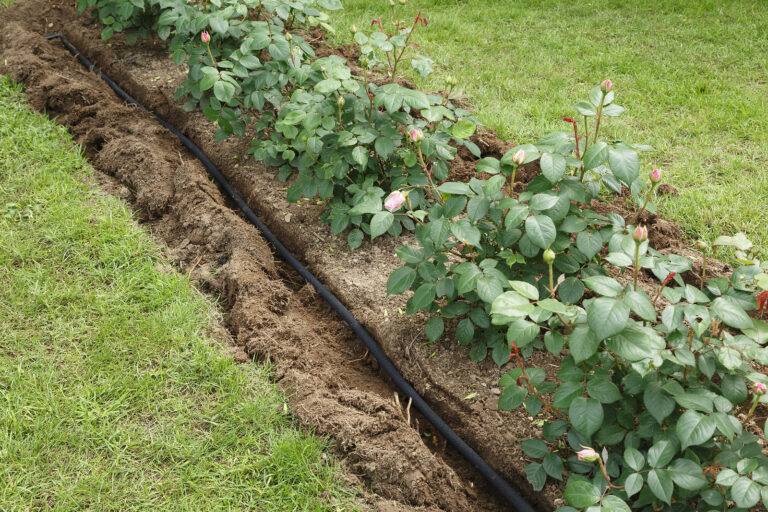
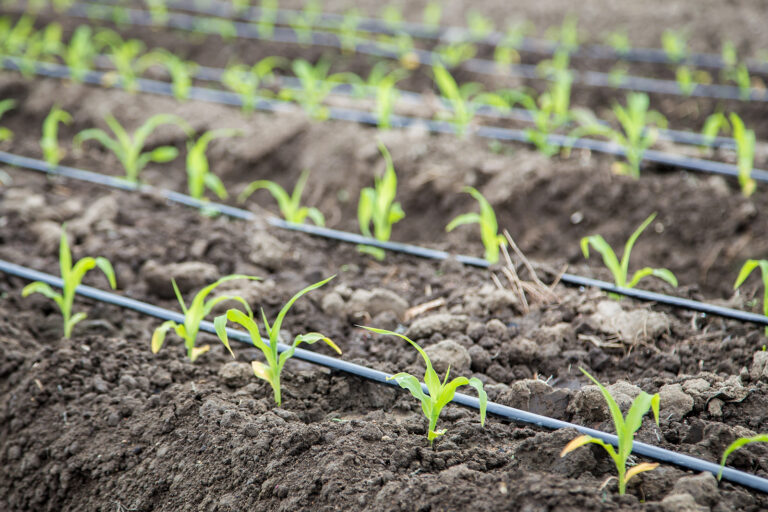
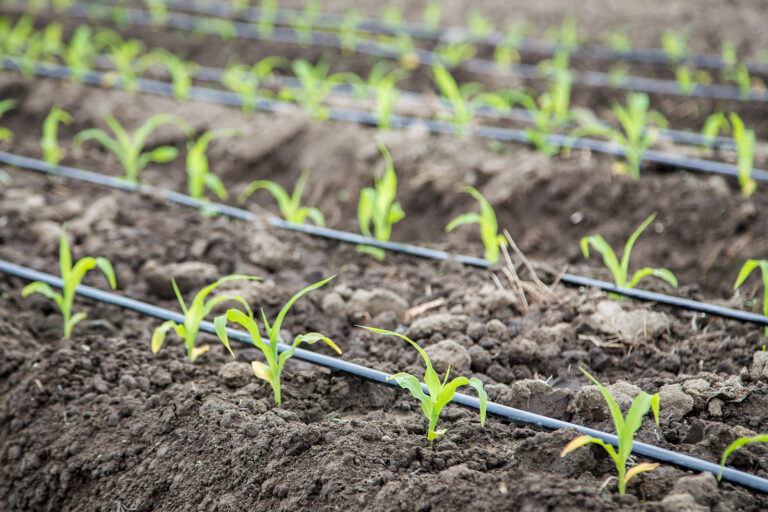
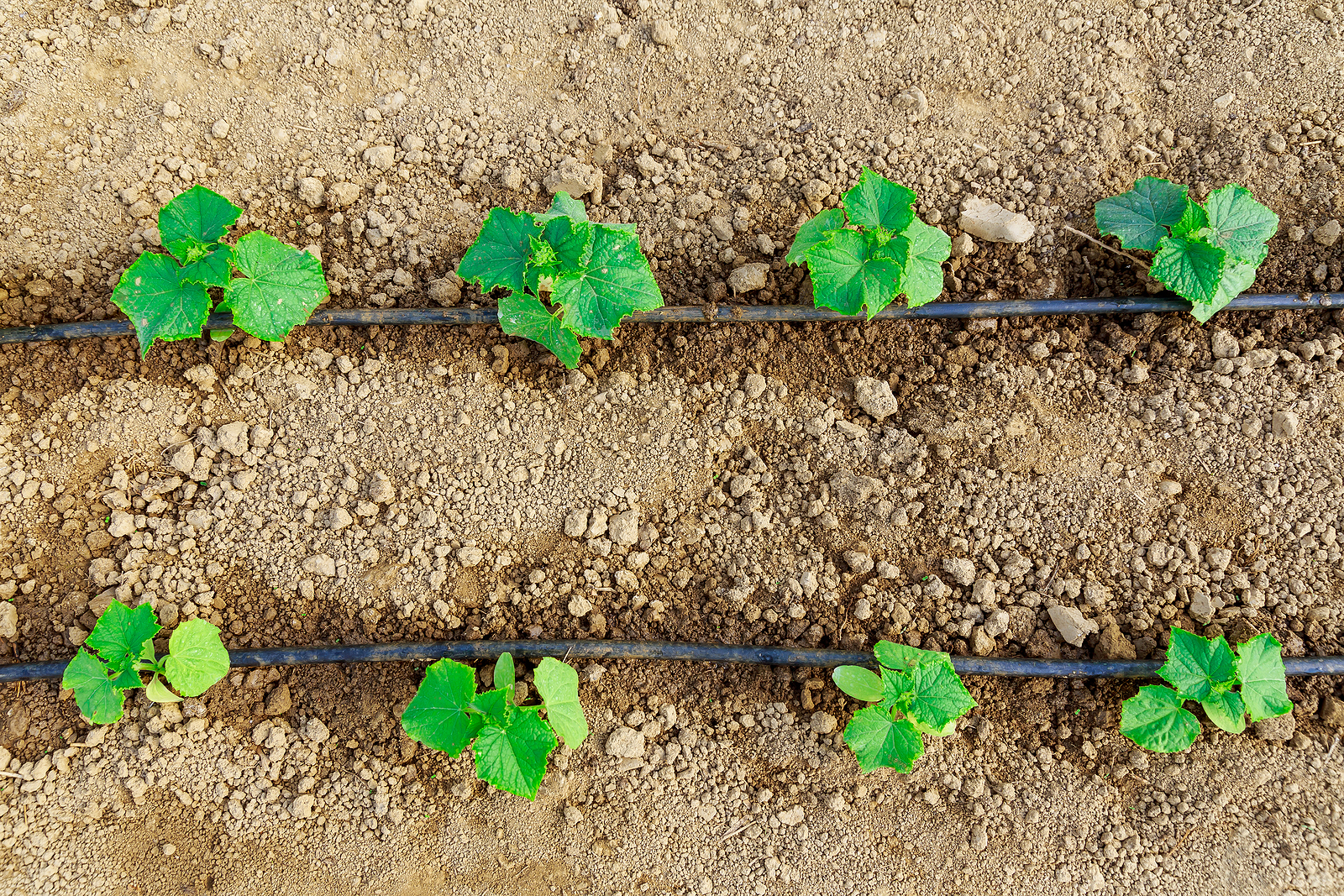
Drip Irrigation
Drip systems deliver water directly to the root zone.
Advantages:
- High efficiency
- Reduced evaporation
- Reduced disease risk
- Consistent moisture
This is my preferred method for most vegetable gardens.
Soaker Hoses
Soaker hoses provide slow, deep watering.
Advantages:
- Affordable
- Easy installation
- Good efficiency
Hand Watering
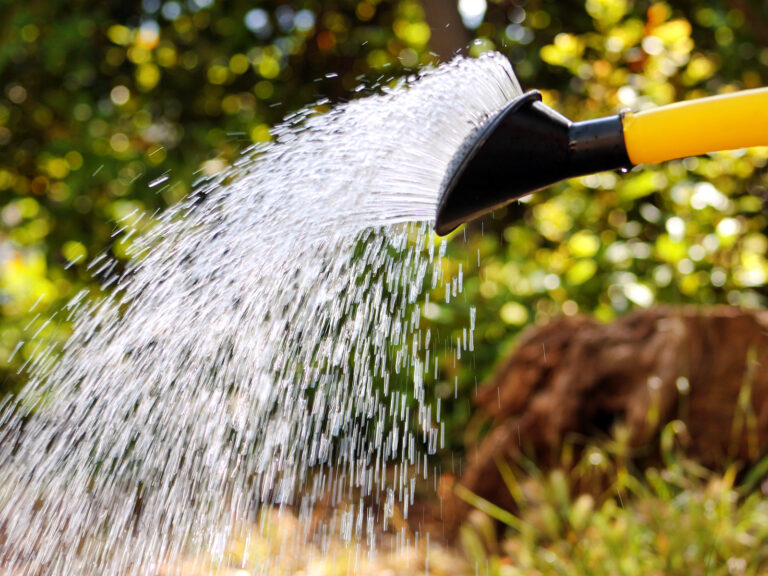
Hand watering works well for small gardens and containers.
It also encourages close observation of plant health.
Frequently Asked Questions
How Many Inches of Water Do Vegetables Need Weekly?
Most vegetables need about 1 to 2 inches of water per week, though requirements vary by crop and weather conditions.
Should I Water Vegetables Every Day?
Usually not.
Most established vegetables perform better with deeper, less frequent watering.
How Can I Tell If Soil Is Dry?
Insert your finger 2 to 3 inches into the soil.
If the soil feels dry at that depth, irrigation may be needed.
Do Tomatoes Need More Water Than Other Vegetables?
Tomatoes require consistent moisture, particularly during flowering and fruit production, but they generally do not require daily watering once established.
Final Thoughts
Successful watering is not about following a fixed schedule.
It is about understanding how plants, soil, weather, and seasons interact.
The healthiest vegetable gardens are usually not the gardens that receive the most water. They are the gardens that receive the right amount of water at the right time.
Focus on deep watering, monitor soil moisture regularly, use mulch to conserve moisture, and adjust your irrigation as conditions change.
When roots have consistent access to water, plants can devote their energy to what gardeners care about most: producing healthy, abundant harvests.