Building the Soil Food Web: Simple Practices to Boost Microbial Life in Your Garden

A thriving vegetable garden depends on living soil. Beneath the surface, a complex network of microbes, fungi, and soil organisms—collectively known as the soil food web—drives nutrient cycling, improves structure, and supports plant health. Focusing on building this web is a cornerstone of regenerative gardening.
Drawing on decades of experience gardening in California’s Central Valley and Sonoma Valley, I’ve seen firsthand that simple, biology-focused practices can dramatically increase microbial activity, leading to more productive, resilient gardens without heavy reliance on chemical fertilizers.
Why Microbial Life Matters
- Nutrient Cycling: Microbes break down organic matter, releasing nitrogen, phosphorus, potassium, and micronutrients in plant-available forms.
- Soil Structure: Fungal hyphae and microbial byproducts bind soil particles into aggregates, improving aeration and water retention.
- Disease Suppression: A diverse microbial community outcompetes harmful pathogens, reducing plant disease.
- Carbon Sequestration: Microbes convert organic matter into stable humus, enhancing long-term soil fertility.
- Plant-Microbe Symbiosis: Mycorrhizal fungi extend root networks, increasing nutrient and water uptake.
Simple Practices to Boost Microbial Life
1. Add Organic Matter Regularly
- Incorporate compost, leaf mold, or well-rotted manure to feed bacteria, fungi, and earthworms.
- Top-dress or lightly mix into the soil to maintain structure.
2. Use Cover Crops
- Legumes (clover, vetch) fix nitrogen naturally.
- Deep-rooted crops (daikon radish, rye) improve soil aeration and feed microbes.
- Chop and drop or incorporate into beds for organic matter.
3. Minimize Disturbance
- Reduce tillage to preserve fungal networks and microbial habitats.
- Use broadforks or minimal digging techniques instead of deep plowing.
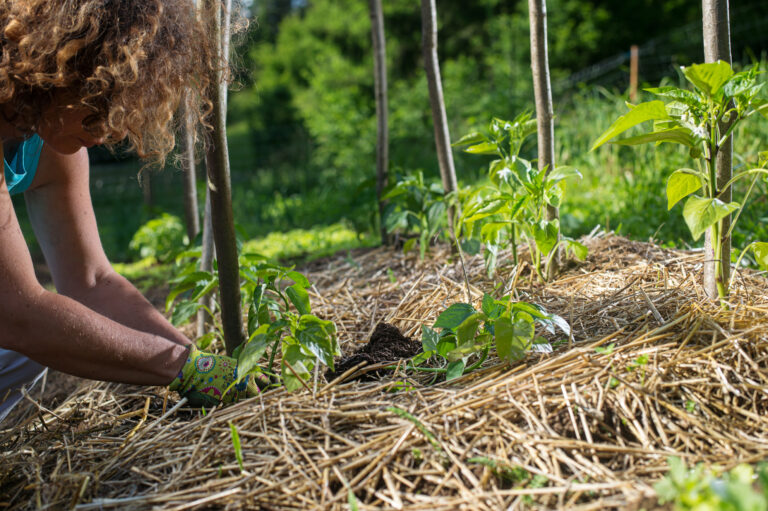
4. Mulch Strategically
- Apply 2–4 inches of organic mulch to retain moisture and feed soil life.
- Leaves, straw, and composted plant material are excellent choices.
5. Encourage Beneficial Soil Fauna
- Earthworms, beetles, and other organisms help aerate soil and process organic matter.
- Maintain moisture, organic matter, and plant diversity to support them.
6. Diversify Plantings
- Grow a variety of vegetables, herbs, and flowers to feed different microbial communities.
- Rotate crops to prevent nutrient depletion and support biodiversity.
My Experience
In my gardens, adopting these simple regenerative practices transformed lifeless soil into a thriving ecosystem. Early in my Central Valley beds, heavy clay soil had few earthworms and poor microbial activity. By layering compost, planting cover crops, reducing tillage, and mulching consistently, microbial life rebounded. Roots penetrated deeper, nutrient cycling improved, and yields increased dramatically. Today, my Sonoma Valley gardens remain highly productive with minimal chemical input, demonstrating that building the soil food web is the foundation for regenerative vegetable gardening.