Stephen Albert

Need top-choice, sure-bet, best-pick, easy-to-grow bean varieties?
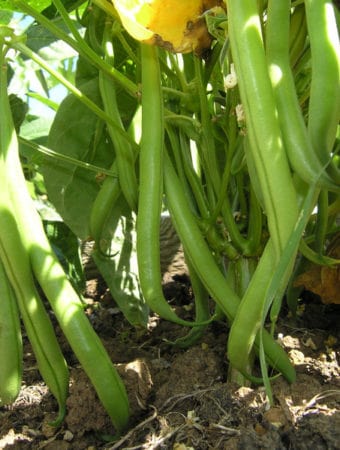
Here are 25 top performers for the home garden divided into 5 popular bean types: (1) snap-bush green, (2) snap-pole green, (3) bush yellow, (4) lima, and (5) dried and shell beans.
Keep reading to the bottom of this post for my tips for sure-fired bean growing success.
Also, read How to Grow Beans.
Good Products for Growing Your Garden at Amazon:
- 55 Heirloom Vegetable Varieties–27,500 Non-GMO Seeds
- Heirloom Vegetable Seed Collection – 105 Varieties
- Full Spectrum, LED Grow Lights
- Seed Starter Kit with Humidity Dome (120 Cells Total Tray)
- Galvanized Raised Garden Bed with Cover
Best Bet Snap-Bush Beans:
• Blue Lake 274. 54-61 days. CBM. Tasty and unique flavor, plump, tender, fine texture. Dark-green, rounded pods 5½ to 6½ inches long; white seeds. Dwarf, bushy plants 12 to 22 inches tall. Beans come to maturity almost all at once; good for canning and freezing. Heavy yields.
• Bush Kentucky Wonder. 52-65 days. R. Excellent flavor. Fleshy, tender, stringless, round-flattened pods to 8 inches long; carmine seeds. Heavy yielder. Good fresh and canned. Vigorous grower over an extended period. A good grower in all regions. Also called Old Homestead.
• Contender. 40-55 days. CBM, PM. Tasty fresh out of the garden or cooked. Medium-green, round-oval stringless 6 to 8-inch pods, slightly curved; buff mottled seeds. Bush plants are 12 to 20 inches tall. Very productive and early to harvest. Tolerates heat and mildew.
• Derby. 57 days. AAS. CBM. Excellent flavor. Straight, dark-green pods, oval and rounded to 7 inches long; best when picked 5 inches long; white seeds. Good for freezing and canning. Strong upright plant with slow seed development for a long harvest. Weather tolerant.
• Greencrop. 55 days. AAS. Excellent flavor and is tender and meaty. Flat pods to 8 inches long, but just ½ inch wide, half the width of most Roman types. Top yields. Use fresh or for canning and freezing. A good grower in home gardens.
• Harvester. 50-60 days. CBM, V. Round medium-green straight, stringless pods 5 to 6 inches long. Pods set high on hardy upright 21-inch plants. Grows well in warm, southern regions.
• Provider. 52 days. CBM, PM. Excellent fresh and retains flavor after pickling. Medium-green, round, stringless pods to 6 inches long. Dependable, good choice for cool soil, early or late sowing; does well in heat and adverse weather. Adapted for many regions.
• Romano Bush. 50-70 days. CBM. Distinctive flavorful bean, meaty. Long, flat, medium-green, stringless pods to 5 inches long. Bush-type plant to 20 inches tall. Abundant yield.
• Tendercrop. 46-61 days. CBM, PM, V. Crisp, tender, flavorful. Round, straight, slender, dark green pods 5 to 7 inches long; pods in clusters. Heavy yields; good home garden variety, adapted to northern gardens.
• Topcrop. 45-53 days. AAS. CBM, PM. Very flavorful, tender, and meaty. Straight, emerald-green, stringless 6 to 7-inch pods that are slightly curved; oblong, brown-mottled seed. Strong upright 18 to a 24-inch tall plant. For fresh eating, canning, and freezing. Concentrated picking.
Best Bet Snap-Pole Beans:
• Blue Lake. 62-75 days. CBM. Beany, sweet flavor, juicy, and tender. Oval, straight, dark-green, stringless beans 5½ to 7-inch pods. Very good fresh, canned, frozen, or baked. Heavy, extended yield. Vigorous climber. Extended yield.
• Fortex. 60-70 days. Tender, mildly sweet, nutty, meaty, savory flavor. Extra-long round stringless pods grow to over 11 inches; pick at 7 inches for slender filet beans; seeds are walnut-brown. A French favorite. Requires sturdy stakes.
• Emerite. 55-70 days. Sweet, beany flavor. A true filet bean originally from Vilmorin, one of the oldest French seed houses. Straight slender green stringless pods: pick at 4 to 5 inches long for tender green beans; pick from 7 to 9 inches long for crisp, brittle pods. Good for freezing. Very productive vine grows to 8 feet tall.
• Kentucky Blue. 51-73 days. AAS. CBM. Sweet, tender. Dark green, straight, smooth, stringless pods to 7 inches long. Best flavor and tenderness at 6 to 7 inches. Yields for weeks. Good grower on stakes in small gardens. A Kentucky Wonder and Blue Lake Pole cross.
• Kentucky Wonder. 58-72 days. R. Tender, meaty pods with a distinctive flavor. Medium-green, flat-oval 7 to 10-inch straight pods in clusters, stringless when young; white or brown seeded. High yields; extended season. A vigorous grower from 5 to 7 feet. Heirloom from Kentucky before 1864.
• Romano. 60-70 days. Italian type. Very flavorful and meaty thick. Buff to brown seed with a white eye; flat, medium-green stringless 5 to 6¾ inch pods. Good to eat when young. Unique flavor popular in Europe.
• Scarlet Runner. 70 days for young pods, and 115 days for shell beans. Sprays of scarlet flowers. Flattened, very dark green pods are edible and tasty when young; pods toughen as they reach full side. Shell older pods and cook beans like green limas. Vigorous vines. Attracts hummingbirds.
• Kwintus. 60-80 days. Flavorful and tender. Long, flat green pods up to 11 inches long. A vigorous vine to 8 feet tall. A favorite European climbing bean suited for greenhouse growing or outdoors. Bears early, both the first and last bean to be picked.
Best Bet Bush Yellow Beans:
• Goldencrop Wax. 45-65 days. AAS. CBM, V. Tender, stringless bean. Straight round bright-yellow 5 to 6½ inch pods; white seeds. Small compact upright plants; beans set in hot weather, resists blossom drop. The pods are set well off ground. Abundant yield. Suited for home gardens.
• Resistant Cherokee Wax. 50-56 days. AAS. CBM, V. Tasty, stringless wax been; oval bright-yellow straight 5½ to 6½ inch slightly curved pods. Large vigorous erect plant; heavy yields even in adverse weather. Believed to have been handed down from the Cherokee Indians.
Best Bet Lima Beans:
• Fordhook 242 Bush. 70-85 days. AAS. Nutty flavor. Short, fat-thick greenish-white pods 3½ to 4 inches long and are 1 inch wide with 3 to 5 large seeds. Very productive; easy to shell. Grows well in the north and near the ocean.
• Henderson’s Bush. 60-75 days. Pole-type lima. Buttery, full flavor. Baby lima, slightly curved 2¾ to 3½ inch dark green pods, 3 to 4 small but plump green beans that dry creamy white. Good pod set; harvest early, bears until frost, drought resistant. Grow in southern or northern gardens.
• King of the Garden. 85 days. Bush butterbean type. Excellent quality. Pods are broad, 4 to 6 inches long, smooth, and flat; white seeds. Vigorous climber well adapted to cool growing conditions.
• Dixie Butterpea White. 70-76 days. Butterbean type. Meaty taste, and succulent texture. Medium-dark green pods to 4 inches long; white seed. Vigorous bushy plant 16 to 23 inches tall; extremely prolific producer. Pods set in high temperatures and continue until frost. Good home garden choice.
• Baby Fordhook Bush. 75-75 days. Butterbean type. Delicate flavor, and tender; best cooked with ham. Small 2¾ inch pods are slightly curved; each contains 3 to 4 bright-green “baby” seeds. Bush stands 14 to 16 inches tall.
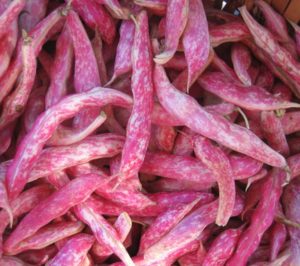
Best Bet Dried and Shell Beans:
• Black Turtle. 85-105 days. Popular for black bean soup, stews, and refrying. Small black pea-sized beans. Upright bush, half runner. Disease and heat-resistant, also hardy. Widely grown from Southwest to Cuba and into South America.
• French Horticultural. 63-68 days. Excellent green or shell or dry bean. Flat oval 6 to 8-inch long straight pods bright green maturing to yellow splashed with red when dry; purple beans. Bush-type plant 18 to 20 inches tall with a short runner. High yields. Good freezer. Heirloom.
• Navy. 85-100 days. Nutty, mild flavor. Small white beans in 4-inch pods. Plant 16-24 inches tall. High yields. Excellent for baked beans, soup, or stew; skin is firm.
• Vermont Cranberry. 60-85 days. Unique sweet taste and fine quality. Oval, medium-sized, plump cranberry-colored beans from red-mottled pods; 5 to 6 seeds per pod. Seeds are green-shelled or dried. Reliable, hardy, easy to shell. Popular New England heirloom.
Grow 80 vegetables: THE KITCHEN GARDEN GROWERS’ GUIDE
Bean Growing Tips for Success:
Planting. A plant bean in full sun after all danger of frost has passed in spring. Beans will not germinate in soil colder than 60°F. Sow successive crops every 2 to 3 weeks until 60 days before the first frost. Plant seeds in raised ridges to 6 inches high in spring; in summer, plant in furrows to ensure contact with soil moisture.
Roll bean seeds into a moist paper towel and place the end of the towel in a jar of water for several hours before sowing. This will soften the seed case and speed germination
Support pole beans. Pole beans require the support of poles, tepees, cages, or trellises. Set up supports when you sow seed. Air circulation is crucial to warding off disease.
Even moisture and mulching. Beans require even, consistent watering. Avoid overhead watering. When plants are 12 inches tall, mulch with aged compost to both feed your crop and keep soil moisture even.
Harvest. Pick beans at the right time: pick filet beans when they are pencil thick; pick snap beans when you feel seeds forming in pods–the bean should snap when bent in the middle; pick green shell beans when the pods are full size but have not begun to dry; pick dried beans when the pods are stiff and break with pressure.
Abbreviations:
AAS=All America Selection resists most diseases.
CBM=Common bean mosaic virus.
PM=Powdery mildew.
R=Rust.
V=Verticillium.
Related Articles:
How to Plant, Grow, and Harvest Snap Beans
How to Grow Chickpeas–Garbanzo Beans
Garden Planning Books at Amazon:
- Vegetable Garden Almanac & Planner
- Kitchen Garden Grower’s Guide Vegetable Encyclopedia
- Tomato Grower’s Answer Book
- Vegetable Garden Grower’s Guide